

Blog
Do You Need To Wear A Bra With A Dirndl?


No, you do not need to wear a bra with a dirndl. A well-fitted, boned dirndl bodice is built to lift and support your bust on its own — that’s the whole point of the traditional corset-style front. Whether you wear a bra underneath depends on your bust size, the specific dirndl’s construction, and personal comfort, not on any rule of etiquette or tradition.
That one-line answer is really the heart of this whole debate, but it doesn’t tell the full story. More women than ever are asking this question before Oktoberfest, weddings, and Alpine festivals — and the answer has actually gotten more nuanced as dirndl designs have diversified. Below, we break down exactly when you can skip the bra, when you shouldn’t, and which support options actually work under a dirndl.
Do You Really Need a Bra With a Dirndl?
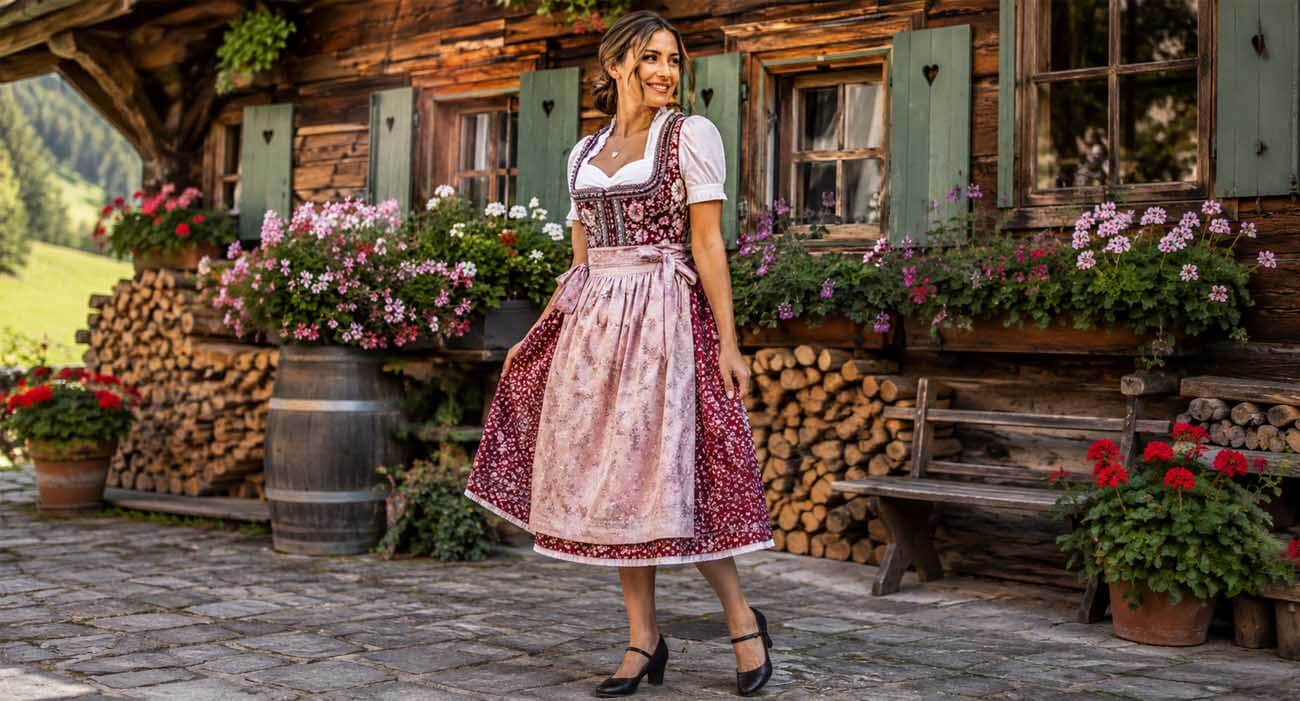
The short answer: it’s optional, not mandatory. Unlike a regular sundress, a dirndl bodice is constructed with structure built in — often boning, lacing, or a firm inner lining across the front panel. That structure exists specifically to lift, shape, and hold the bust, which is why so many women find they simply don’t need a separate bra underneath.
That said, “optional” doesn’t mean “one-size-fits-all.” Whether skipping a bra actually works well for you depends on three things:
- Bust size — larger busts generally need more support than a bodice alone provides
- Bodice construction — some dirndls have heavy internal support, others are just fabric over a basic lining
- Activity level — a full day of dancing, drinking, and crowd-navigating at Oktoberfest asks more of your outfit than a photo shoot does
If you’re still unsure, the safest approach is to try your dirndl on without anything underneath first, move around in it (raise your arms, bend, twirl), and see whether you actually need extra support before adding a bra “just in case.” It only takes a couple of minutes and saves you from over-preparing for a problem your dirndl may already solve on its own.
Why the Dirndl Bodice Was Designed to Support You
The dirndl’s fitted, corset-style bodice isn’t a fashion accident — it’s the original built-in support system. Traditional Alpine dirndls used boning or stiffened panels in the front precisely so working women didn’t need separate undergarments for support while doing physical labor. That engineering carried over into today’s festival and going-out dirndls, and it’s a big part of why the “bra or no bra” debate exists at all — the garment was never designed to depend on outside support in the first place.
Modern dirndls sold for Oktoberfest and similar events generally fall into three broad categories, and each interacts differently with your need for a bra. Classic or traditional dirndls have structured bodices with visible boning, and they’re often supportive enough on their own for smaller-to-medium busts. Modern fashion dirndls tend to use lighter fabrics with less internal structure, so they may need a bra or shapewear for support, especially if the neckline plunges. Festive or embellished dirndls, meanwhile, tend to prioritize visual impact — sequins, deep necklines, dramatic cuts — over built-in support, which makes them the styles most likely to need an added bra or alternative underneath.
Checking which category your dirndl falls into is the fastest way to answer the “do I need a bra” question for your specific dress rather than guessing. If you’re comparing a dirndl to other traditional Bavarian outfit options before you buy, it’s also worth reading up on how a dirndl compares to lederhosen for women, since the two garments handle support, structure, and movement very differently.
When You Should Wear a Bra — and When You Can Skip It
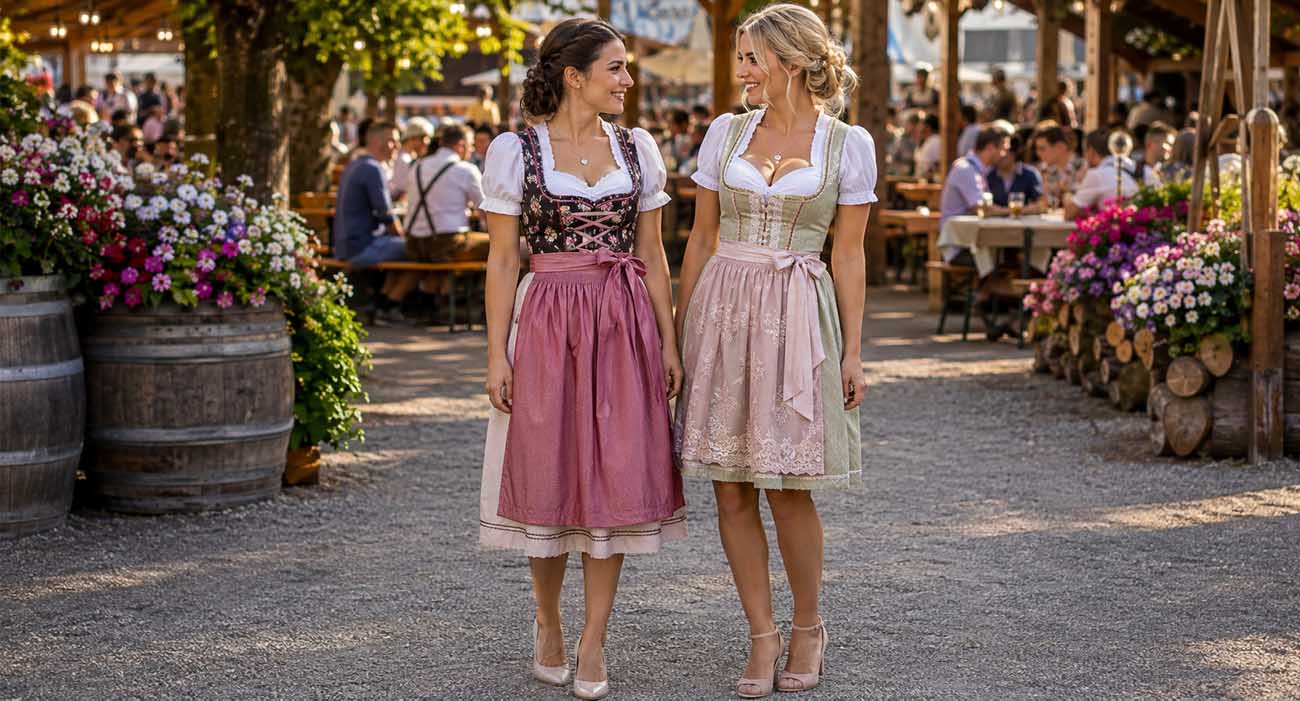
There are a handful of situations where adding a bra genuinely makes the day more comfortable rather than just being “traditional.” If you have a larger bust, you’ll likely want shoulder or back support for hours of standing, walking, or dancing. The same goes if your dirndl has a soft or unstructured bodice with minimal internal support, or if you’re planning a long day — a full Oktoberfest session easily runs six or more hours, and comfort tends to matter more with every passing hour. A supportive bra is also worth considering if you want a smoother, lifted silhouette for photos at a wedding or formal Trachten event, or if your dirndl has a low-cut neckline and you’d feel more secure with extra coverage. In these cases, a well-fitted, low-profile bra — think seamless, plunge, or strapless styles rather than a bulky everyday bra — gives you the support without ruining the line of the bodice.
On the flip side, going without a bra works well under different conditions. If your dirndl bodice has real structure — boning, a firm lining, snug lacing — it’s often doing the support job already. Smaller-to-medium busts that don’t need extra lift tend to do especially well braless, and if comfort and freedom of movement matter more to you than a heavily shaped silhouette, that’s a reasonable priority to lead with. Breathability is another factor worth weighing: a hot, crowded beer tent is not the place for anything constrictive. And plenty of wearers simply prefer the natural look and feel, which has become an increasingly normalized, body-positive choice rather than something that needs justifying.
Going braless with a supportive dirndl is now widely accepted at festivals and casual gatherings alike. It’s no longer seen as unconventional — it’s just one of two equally valid options, and neither one is the “correct” or “proper” way to wear a dirndl.
Bra Alternatives That Work Best Under a Dirndl
If a standard bra feels wrong under your dirndl but you still want support, these alternatives are popular choices:
- Adhesive/stick-on bras — invisible under low or open-back necklines, good for shorter events
- Strapless bras with silicone grip — stay in place through dancing without visible straps
- Corsets or underbust shapers — layer under the bodice for extra lift and a cinched waistline
- Lightweight shapewear — smooths the torso without adding bulk under fitted fabric
- Built-in bodice support — some newer dirndls now come with reinforced or padded panels sewn directly into the bodice, removing the need for anything extra
Whichever option you choose, prioritize breathable, lightweight materials — Oktoberfest tents get warm fast, and anything constrictive will be uncomfortable well before the day is over. If you’re pairing your dirndl with a traditional blouse, it’s also worth checking that the blouse’s neckline and sleeve fit work well with whichever support option you land on, since a mismatched blouse can undercut even the best undergarment choice.
Dirndl Bow Meaning and What It Signals
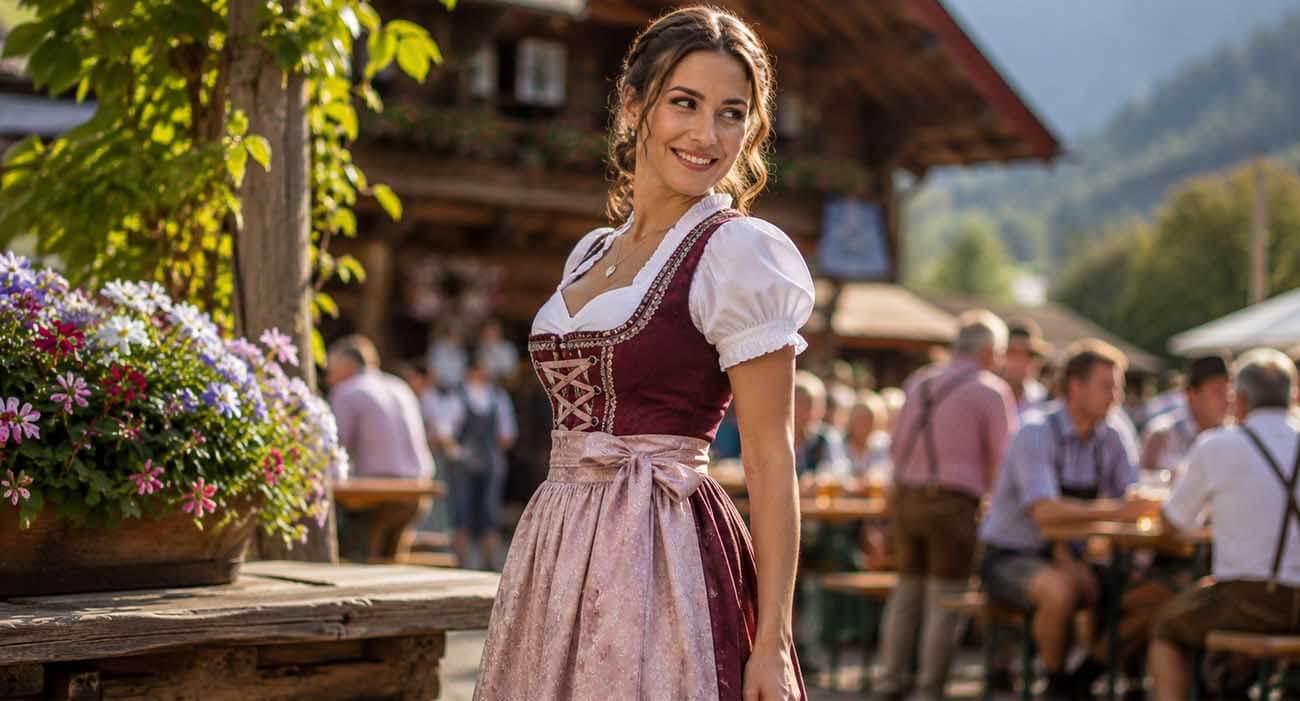
Not directly about bras, but worth knowing while you’re getting dressed: the apron bow on a dirndl traditionally signals relationship status — left side for single, right side for taken, centered front for a young girl, and centered back for widowed. It’s a fun bit of tradition that often comes up alongside the “bra or no bra” question, since both are about how the dirndl is worn and read at festivals today. If you want the full breakdown of what each bow position means and how strictly it’s actually followed in practice, we’ve covered it in detail in what the apron tie means at Oktoberfest.
Regional and Cultural Norms
Expectations still vary somewhat by setting. Traditional Bavarian festivals often lean toward a more polished, supported look, especially at formal or family-oriented events, while urban festivals and themed Oktoberfests — in Munich, Berlin, and international events from the US to Australia — tend to be far more relaxed, where bralessness is common and unremarked upon. Weddings and formal Trachten occasions usually call for a supportive option simply because you’ll be photographed and on your feet for hours, whereas casual meetups and beer gardens are the most flexible setting of all — wear whatever’s comfortable.
None of these are hard rules. No dress code enforcer is checking what’s under your bodice — it’s genuinely your call. If you’re ever unsure at a specific event, a quick glance at how other attendees are dressed usually gives you a good read on how formal or relaxed the crowd is that day. If you’re curious about the deeper cultural debate around who “should” wear a dirndl and how, it’s a topic we explore further in what’s behind the dirndl controversy.
Styling Tips for a Bra-Free Dirndl Look
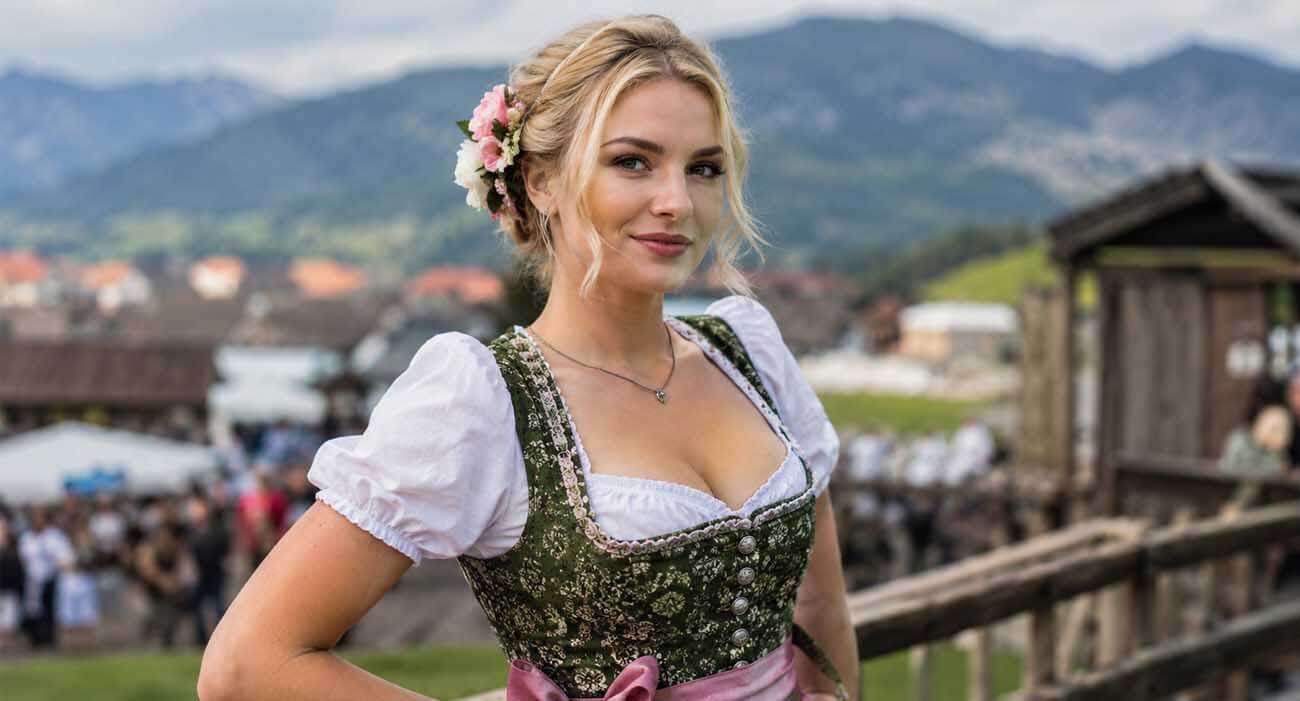
If you decide to skip the bra, a few small styling choices make it look effortless rather than accidental. Start by choosing a dirndl with a structured or boned bodice for natural lift, since that structure is doing most of the work for you. Layering a lightweight camisole underneath adds a bit of coverage without altering the shape, and picking adjustable-strap styles helps keep the fit secure through movement. Statement jewelry — a necklace, a floral crown — draws the eye upward and adds polish to the overall look, and standing tall with relaxed shoulders does more for your silhouette than any undergarment ever could. If you’re also styling a dirndl blouse to go underneath, our guide on how to style women’s Oktoberfest shirts covers fit, layering, and pairing in more depth.
Common Mistakes to Avoid
Whether you go braless or wear one, a few small mistakes tend to ruin an otherwise great dirndl look. Sizing the bodice too loose is one of the most common — a loose bodice won’t give you natural lift, and no bra can fully fix a poor fit underneath it. Wearing a heavily padded, everyday bra is another: it adds bulk and creates visible lines under fitted fabric, so low-profile styles work far better. It’s also easy to overlook the neckline itself; plunging or open-back designs need different support solutions, like adhesive bras, than higher, structured necklines do. Many wearers also underestimate the length of the day — what feels fine for a two-hour photo session can feel very different after six hours of dancing and standing, so plan support around your actual schedule rather than just the outfit. Finally, don’t assume one dirndl’s fit applies to every dirndl; bodice construction varies a lot by brand and style, so it’s worth re-testing your support choice each time you buy a new one.
How Dirndl Support Has Evolved
Dirndl manufacturing has quietly shifted over the past few seasons, and it’s worth knowing about if you’re shopping for a new dress rather than reworking an older one. Brands have responded directly to this exact question — “do I need a bra with this?” — by re-engineering the bodice itself instead of leaving it to the wearer to solve with undergarments.
Reinforced front panels are now common even in mid-range dirndls, not just premium traditional pieces, giving more wearers built-in lift without extra cost. Adjustable lacing systems let you customize how snug and supportive the bodice feels in the moment, rather than relying on a fixed size. Breathable structured fabrics have also started replacing some of the older, heavier boning materials, so support doesn’t come at the cost of comfort in a hot beer tent. And size-inclusive collections now build support differently across cup sizes rather than using one bodice pattern for everyone, which is a meaningful shift from how dirndls were designed a decade ago.
These changes matter because they’ve genuinely narrowed the gap between “braless and comfortable” and “supported but constricted.” A dirndl with a modern, well-engineered bodice is far more likely to make the bra question a non-issue than an older or poorly constructed one. If your current dirndl still feels like it forces a trade-off between comfort and support, it may simply be time to look at a better-built option from our full dirndl collection rather than layering on more undergarments to compensate.
A Quick Decision Checklist
If you want a fast, practical way to settle this before your event, run through this checklist:
- Try the dirndl on with nothing underneath and raise both arms overhead — does it stay in place and feel supported?
- Sit down, stand up, and lean forward slightly — does the bodice hold its shape?
- Check the neckline depth — does it need extra coverage for how you plan to move?
- Estimate how many hours you’ll be in the dirndl, and how active those hours will be
- If anything feels unstable or unsupported in the above steps, add a low-profile bra, corset, or adhesive option rather than pushing through discomfort
If everything holds up through that checklist, you likely don’t need anything extra — the bodice is doing its job.
Frequently Asked Questions
Many do. Traditional and classic-style dirndls use boning or a stiffened bodice panel to lift and shape the bust without a separate bra. Lighter, modern-fashion dirndls often have less built-in structure.
Yes. It’s a widely accepted and common choice, especially with structured bodices. Comfort and personal preference matter more than any strict rule.
A seamless, plunge, or strapless bra with a low profile works best — it gives support without creating visible lines or straps under the bodice.
Not always, but it’s generally recommended. Larger busts tend to need more support for long days of standing and dancing, so a supportive bra, corset, or shapewear is usually more comfortable.
Some newer designs now include reinforced or lightly padded bodice panels specifically so wearers don’t need a separate bra — check the product description before you buy if this matters to you.
Yes. Lightweight shapewear or an underbust corset is a popular alternative — it smooths the silhouette and can add lift without the straps or bulk of a traditional bra.
For low or open necklines, adhesive/stick-on bras or strapless bras with silicone grip work best since they stay hidden and secure without visible straps.
Final Thoughts: Your Dirndl, Your Choice
The real answer to “do you need a bra with a dirndl” is still entirely up to you. What has changed is that there are now more well-designed options on both sides: dirndls with genuinely supportive built-in bodices for the braless crowd, and better low-profile bras and alternatives for those who want extra lift. Try your dirndl on, move around in it, and let comfort — not tradition or trend — make the final call.
Explore our full collection of Dirndls to find a structured, supportive bodice built for a full day of celebrating — bra or no bra. Pairing your dirndl with a blouse? Browse our Dirndl Blouses for styles that layer well under any bodice, or check our Dirndl Sale for current markdowns ahead of Oktoberfest season.


