

Blog
Do Only Bavarians Wear Lederhosen? Myths Debunked!


No, lederhosen is not worn only by Bavarians. While Bavaria popularized lederhosen globally through Oktoberfest, these leather garments are traditional Alpine attire shared by Austria, Switzerland, South Tyrol (Italy), and parts of southern Germany beyond Bavaria. Today, lederhosen is worn by people of any nationality — at Oktoberfest celebrations worldwide, in fashion collections, and as everyday statement wear — making it a cultural garment rather than a region-locked uniform.
The Short Answer, Explained
Lederhosen is often treated as a Bavarian trademark because of Oktoberfest’s global fame, but the garment’s roots run through the entire Alpine arc — not one German state. Here’s the quick breakdown:
- Bavaria made lederhosen internationally famous through Oktoberfest and folk tourism.
- Austria (especially Tyrol) has worn its own lederhosen styles for centuries, often with more elaborate embroidery.
- Switzerland has a parallel Alpine leather-breeches tradition tied to herding and mountain festivals.
- South Tyrol, Italy blends Austrian and Bavarian influences into its own regional cut.
- Anyone, anywhere, can wear lederhosen today — it’s classified as cultural and festival attire, not a nationality-restricted uniform.
If you searched “do only Bavarians wear lederhosen” hoping for a fast, factual answer — that’s it. The rest of this guide unpacks the history, the regional differences, and how to wear lederhosen respectfully and stylishly.
Where Did Lederhosen Actually Come From?
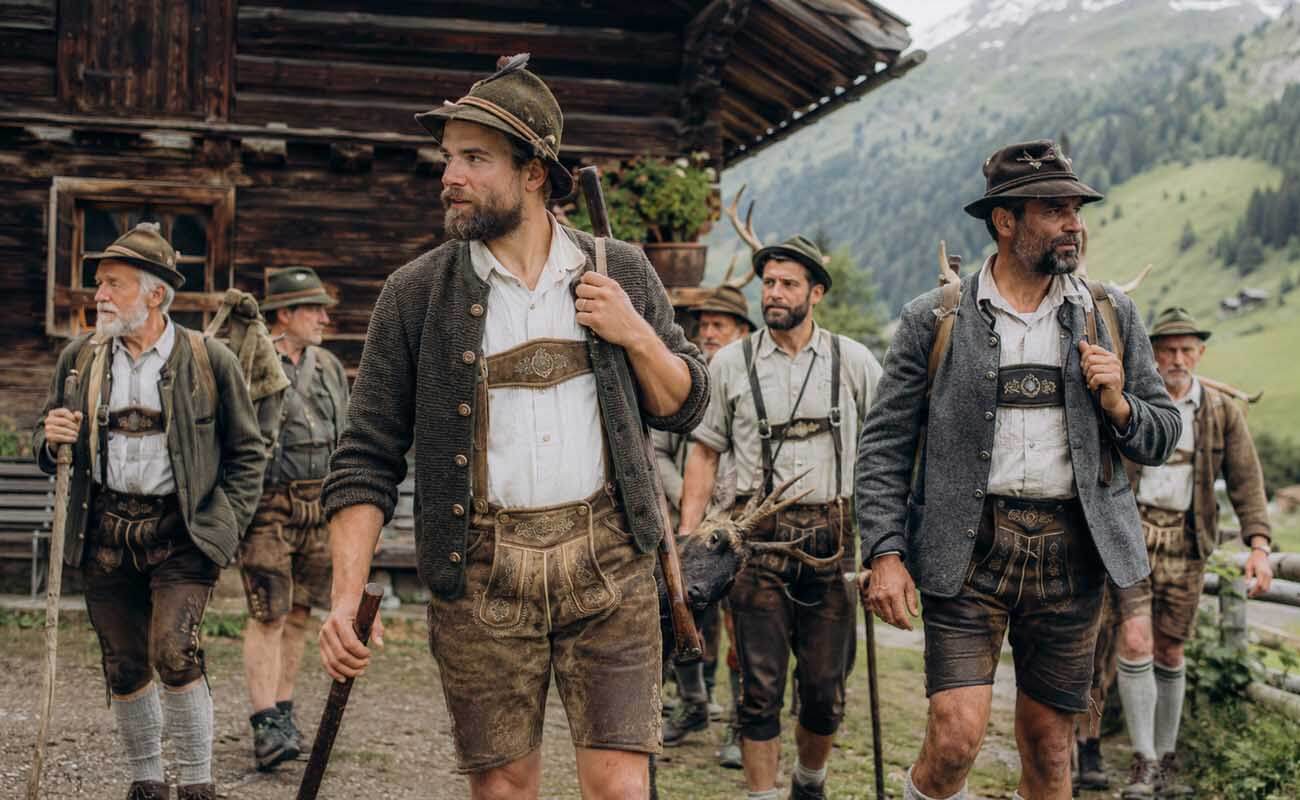
Lederhosen literally translates to “leather trousers” in German. It didn’t start as a fashion item — it started as rugged workwear for Alpine farmers, hunters, and laborers who needed clothing that could survive rough terrain without falling apart. The garment dates back several centuries, originating across the Alpine regions of what is now southern Germany, Austria, and Switzerland — not Bavaria alone. Leather was chosen for practicality: it resisted tearing, didn’t need frequent washing, and held up to farm and forest labor far better than woven fabric.
By the 18th and 19th centuries, lederhosen shifted from pure workwear to a marker of regional Alpine identity, gaining embroidery, decorative buttons, and craftsmanship details that reflected local traditions rather than functional need. Toward the end of the 1800s, “Trachtenvereine” — traditional-costume preservation societies — formed across German-speaking Europe to protect folk clothing, including lederhosen, from disappearing during rapid industrialization. So the historical record itself debunks the myth: lederhosen was never a single-region invention. It was a shared Alpine solution to a shared Alpine problem.
From Workwear to Cultural Symbol
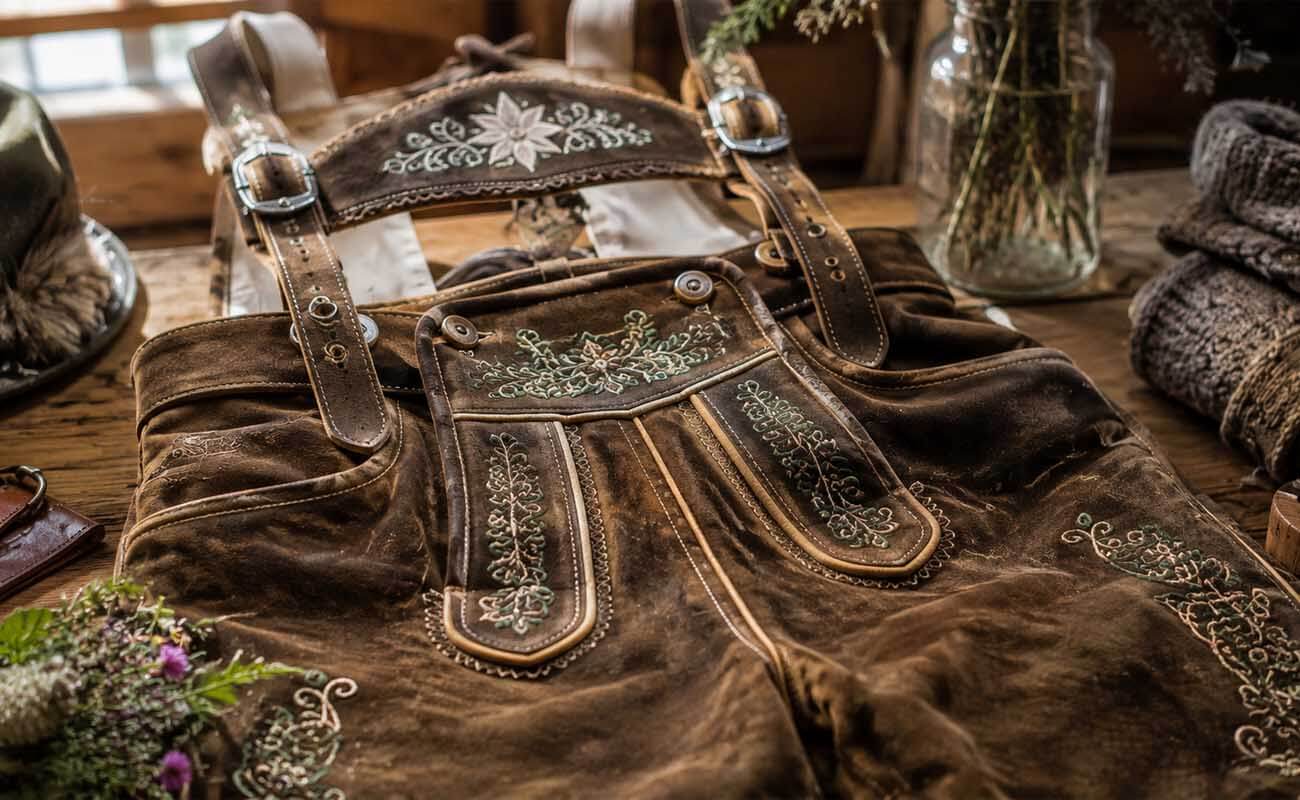
The shift from practical clothing to cultural symbol didn’t happen overnight. As Alpine communities modernized, rural life started to feel threatened by industrialization, and folk costume became a way to hold onto identity. Lederhosen picked up embroidery, metal buttons, and region-specific motifs during this period — oak leaves and deer for Bavaria, bolder floral patterns for Tyrol, simpler utilitarian lines for Switzerland.
By the late 19th century, even nobility and urban dwellers adopted lederhosen for hunting trips and countryside outings, treating it as a romantic connection to rural roots rather than a garment tied to farm labor. That single shift — from clothes for peasants to clothes for anyone who values Alpine heritage — is the real origin point of today’s open, non-exclusive lederhosen culture.
Who Wears Lederhosen Today
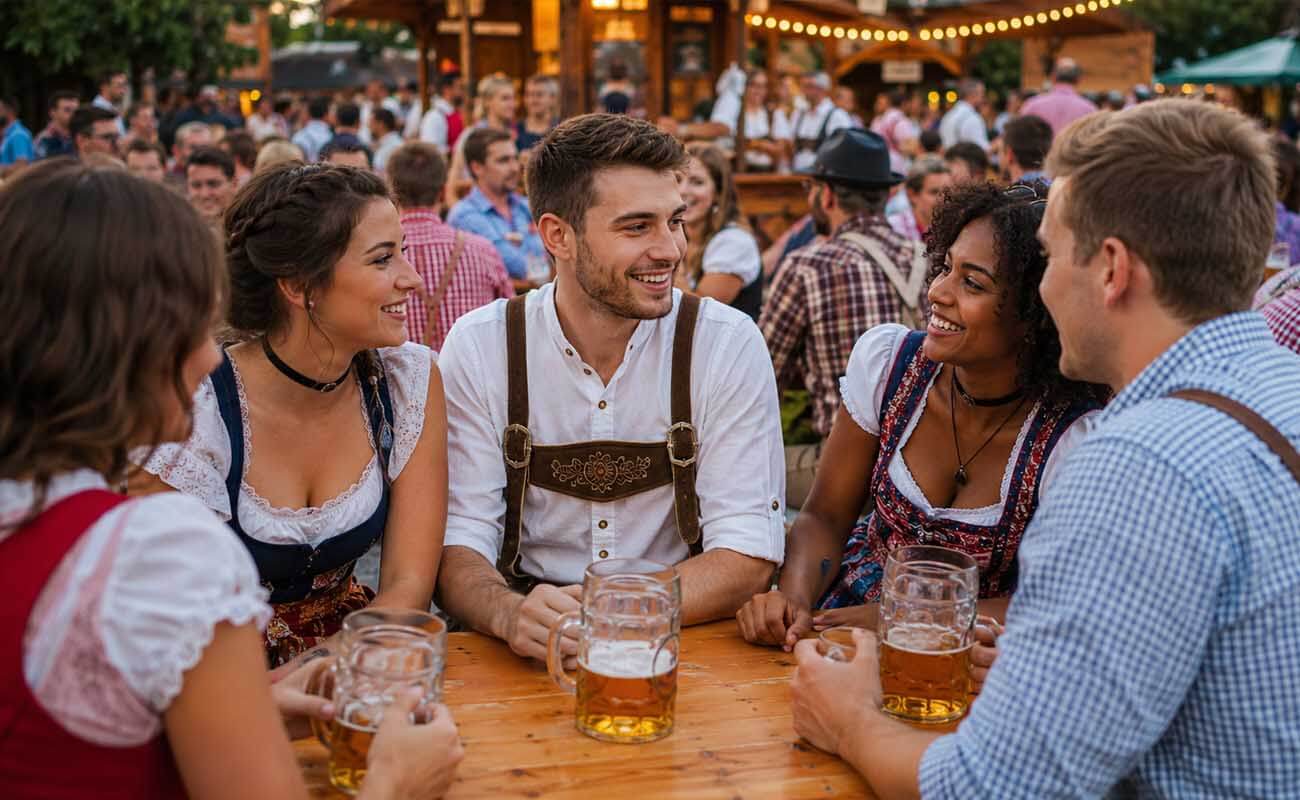
Lederhosen’s audience has only broadened in recent years. Oktoberfest tourism keeps climbing, and Munich’s Oktoberfest continues to draw millions of international visitors annually, with a large share now arriving already dressed in lederhosen bought online before the trip rather than sourced locally. Oktoberfest itself has also become a global event format: cities outside Germany, across North America, the UK, Australia, and Asia, run their own Oktoberfest-branded festivals every year, and lederhosen is standard festival dress at nearly all of them.
Sustainable and vegan leather alternatives have also entered the market, widening who’s willing to buy and wear lederhosen for ethical reasons, while gender-neutral and women’s lederhosen have grown into a mainstream category rather than a niche one, moving well past the older assumption that lederhosen is menswear only. On top of that, search-driven and video-driven shopping has replaced a lot of the old discovery path, meaning more first-time wearers than ever are outside Bavaria and even outside Germany entirely. In short, the population of lederhosen-wearers today looks nothing like a Bavaria-only club — it looks like a global festival wardrobe.
Why the “Bavarians Only” Myth Still Persists
If the history and the current picture both say otherwise, why does the misconception stick around? Media shorthand plays a big role: films, ads, and social media almost always show lederhosen next to a Munich beer tent, so the visual association with Bavaria specifically gets repeated far more than the Austrian or Swiss versions. Oktoberfest’s brand dominance adds to it — the festival is so globally recognized that many people assume the clothing and the city are inseparable, when in reality the clothing predates the festival by centuries.
Limited exposure to regional variants matters too, since most people outside German-speaking Europe have never seen Tyrolean or Swiss lederhosen up close, so the Bavarian cut becomes the default mental image. And a lot of older articles online leaned into the “Bavarian tradition” framing without clarifying the broader Alpine history, and that framing has simply been copied across the web ever since. Once you see the actual regional spread, the myth stops making sense — it’s a marketing narrative, not a historical fact worth repeating without question.
Lederhosen Around the World
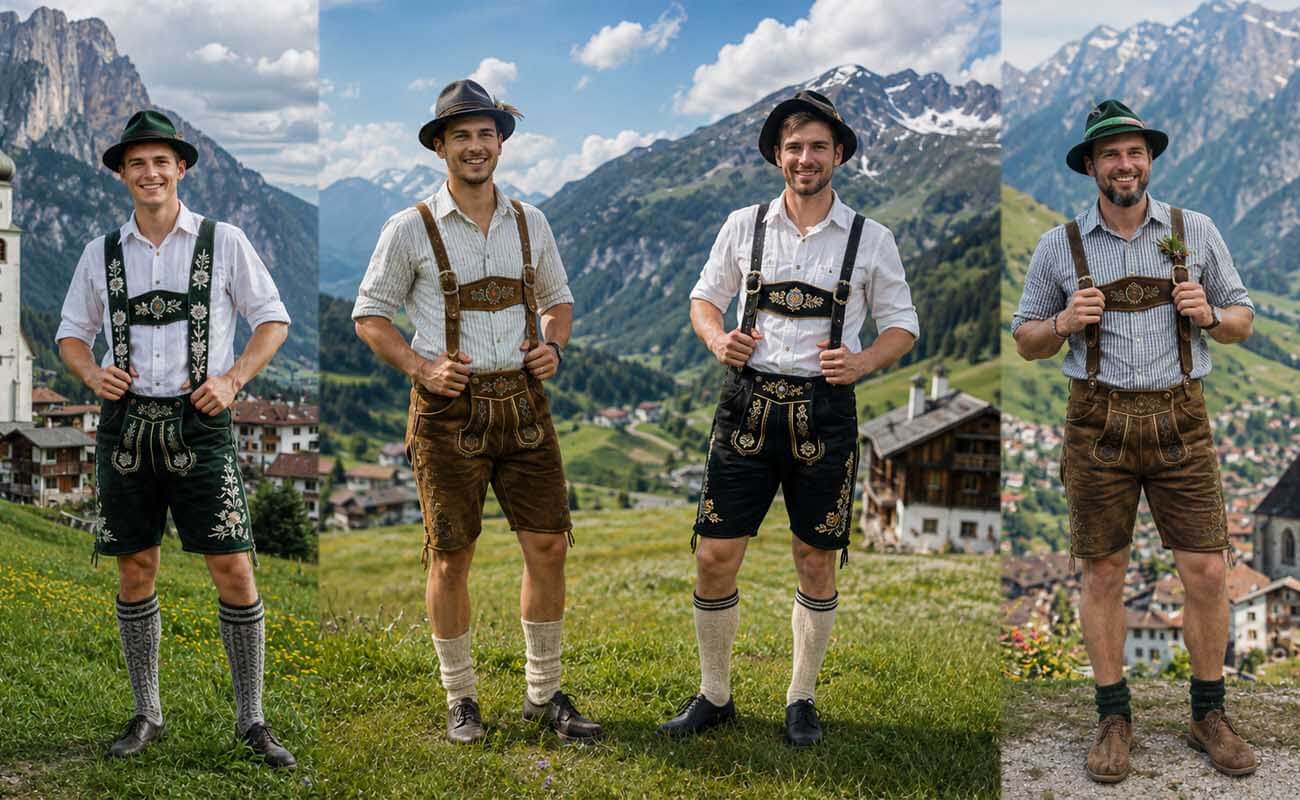
| Region | Typical Length | Signature Style | Worn For |
|---|---|---|---|
| Bavaria, Germany | Knee-length | Deer leather, oak leaf/edelweiss embroidery | Oktoberfest, weddings, folk festivals |
| Tyrol, Austria | Knee-length | Bold, intricate embroidery in red/green/gold | Almabtrieb (cattle drives), local Tracht events |
| Switzerland | Above the knee | Simpler, function-first design | Yodeling festivals, Schwingen (wrestling) events |
| South Tyrol, Italy | Varies | Rustic, earthy tones, mountain motifs | Speck Festival, regional celebrations |
| Outside Europe | Any style | Store-bought, festival-specific | Oktoberfest events worldwide, costume parties |
Even inside Bavaria itself, Upper and Lower Bavaria wear different embroidery patterns — reinforcing that “Bavarian lederhosen” was never one single design to begin with.
Common Myths About Lederhosen — Debunked
Myth 1: “Only Bavarians can wear lederhosen.” False. Lederhosen is Alpine folk attire shared across multiple countries and regions. Nationality has never been a legal or cultural requirement.
Myth 2: “Lederhosen is only for Oktoberfest.” False. Lederhosen is worn at weddings, cattle-drive festivals, wrestling competitions, cultural fairs, and increasingly as everyday fashion pieces styled with modern shirts, jackets, and sneakers.
Myth 3: “Real lederhosen has to be made in Germany.” Not necessarily. Authentic craftsmanship matters more than country of manufacture — deer, goat, or cowhide leather and proper stitching define quality, not a single country-of-origin stamp.
Myth 4: “It’s disrespectful for non-Germans to wear lederhosen.” Generally false, especially at Oktoberfest-style events, where lederhosen functions as festival dress rather than sacred ceremonial clothing. The main line to respect: wear it with genuine appreciation, not mockery.
Myth 5: “Lederhosen is only menswear.” False. Women’s lederhosen — including shorts and skirted versions — has been part of Alpine wardrobes for generations and is a fast-growing category today. If you’re deciding between the two, our guide on dirndl vs. lederhosen for women breaks down which suits different body types and occasions better.
Myth 6: “There’s only one style of lederhosen.” False. Beyond the classic knee-length cut, cargo lederhosen with utility pockets have become a popular modern spin. See our breakdown of cargo lederhosen vs. traditional lederhosen if you’re choosing between the two for your next festival outfit.
Can Non-Germans Wear Lederhosen?
Yes. Lederhosen carries cultural weight, but it is not legally or culturally restricted to any nationality. It’s comparable to how people worldwide wear kilts at Scottish-themed events or ponchos at Latin American festivals — appreciation, not appropriation, is the standard most Alpine communities themselves apply. A simple guideline to follow:
- Do wear correctly fitted, good-quality lederhosen rather than a costume-store caricature.
- Do pair it with the right accessories — proper shoes, socks, and a Trachten shirt — if you want an authentic look.
- Don’t treat it as a joke costume with exaggerated stereotypes attached.
- Don’t assume “Bavarian” and “German” are interchangeable — Austria and Switzerland have equal claim to the tradition.
How to Wear Lederhosen the Right Way
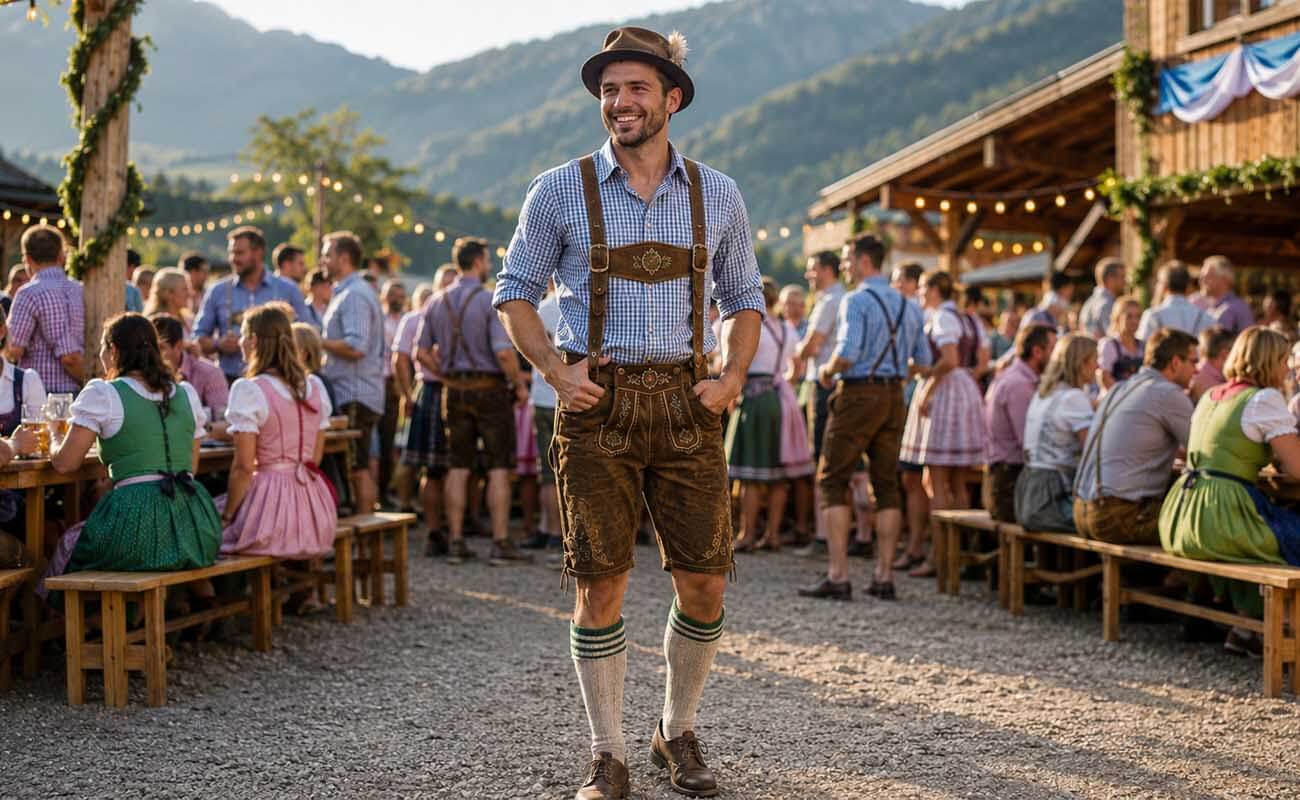
For a classic, authentic look, pair knee-length lederhosen with a checkered or white Trachten button-down shirt, add knee-high socks and traditional Bavarian shoes like Haferlschuhe, and keep the embroidery and leather tone matched rather than mixing too many patterns at once. For a more modern, everyday look, swap the traditional shirt for a plain t-shirt or henley, add sneakers or boots instead of traditional footwear, and layer with a leather jacket for a contemporary silhouette. Rounding off the outfit with a good pair of lederhosen suspenders or a lederhosen belt also makes a noticeable difference in how put-together the final look feels.
If you’re still unsure how to build out the full outfit, our ultimate style guide on what to wear with lederhosen walks through outfit combinations in more detail, and our guide on what shoes to wear with your outfit covers footwear choices for both traditional and modern looks. Color coordination is worth planning ahead of time too — check our post on the most popular lederhosen colors and what color shirt to wear with lederhosen before you buy, so the whole outfit comes together instead of being assembled piece by piece.
Fit matters as much as styling. A few quick checks before you buy:
- Lederhosen should sit at the natural waist, not the hips.
- Suspenders should hold the garment snug without pulling at the shoulders.
- Deerskin leather offers the most flexibility and softness; goat and cowhide are firmer, more budget-friendly options.
FAQs
No. Lederhosen originated across the Alpine regions of Germany, Austria, and Switzerland, not Bavaria alone. Bavaria simply popularized it internationally through Oktoberfest.
Yes. Austrian lederhosen, especially from Tyrol, are a long-standing tradition with their own distinct embroidery and knee-length cut, worn at festivals like the Almabtrieb cattle drive.
Yes, it’s widely accepted and even encouraged. Wearing lederhosen at Oktoberfest-style festivals is considered festive participation, not cultural appropriation, as long as it’s worn respectfully.
Bavarian lederhosen typically use deer leather with nature-inspired embroidery (oak leaves, edelweiss). Austrian Tyrolean lederhosen tends to feature bolder, more elaborate embroidery in red, green, and gold tones.
Yes. Women’s lederhosen — including shorter cuts and skirted variations — is an established and growing category, not a men-only garment.
Traditionally, deer leather, prized for softness and durability. Goat and cowhide are also common, more affordable alternatives, and vegan leather options have entered the market more recently.
Yes. Swiss lederhosen tends to sit above the knee, favors simpler and more function-first designs, and is worn during events like yodeling festivals and Schwingen (traditional Swiss wrestling).
Check the leather (deerskin is the softest and most durable), look for reinforced stitching at stress points like the seat and thighs, and check that embroidery is even and securely sewn rather than printed on.
It’s growing, not shrinking. Between record Oktoberfest attendance, more Oktoberfest-style events launching outside Germany each year, and expanding women’s and sustainable-material lines, demand for lederhosen has broadened rather than declined — and that trend shows no signs of slowing down anytime soon.
Buying Lederhosen: What Matters Beyond Origin
Since lederhosen isn’t restricted by nationality, the more useful question for most buyers isn’t “am I allowed to wear this” — it’s “how do I choose one that’s actually well made.” Leather type drives most of the price and comfort difference: deerskin costs more but breaks in fastest and feels softest against the skin, while goat and cowhide are sturdier and more budget-friendly, better suited to first-time buyers or costume-occasion wear. Embroidery should be raised and stitched rather than flat-printed — genuine hand or machine embroidery has visible thread texture, while printed patterns fade and crack faster.
Length matters for the occasion too: knee-length reads more traditional and formal, suited to weddings and official Trachten events, while shorter cuts feel more casual and festival-appropriate. Whenever possible, try the lederhosen on with the full outfit before deciding, since fit and look change once suspenders, shirt, and shoes are added — buying the trousers alone rarely gives the full picture.
Budget is another common sticking point for first-time buyers. If you’re weighing how much to actually spend, our guide on how much you should spend on lederhosen breaks down pricing by leather type and craftsmanship level, and if you’re comparing online prices against what you’d pay locally, how much authentic lederhosen costs in Munich is a useful benchmark before you commit to a purchase. And if you’re shopping for a woman’s outfit rather than a men’s pair, browsing the full women’s lederhosen and Trachten collection makes it easier to compare cuts, colors, and price points side by side.
Keep Reading
Now that the “Bavarians only” myth is cleared up, a few related reads worth checking out next:
- What Does the Apron Tie Mean at Oktoberfest? — another Oktoberfest tradition people frequently get wrong
- Dirndl vs. Lederhosen: Which is Best for Women? — a full comparison for anyone choosing between the two
- Cargo Lederhosen vs. Traditional Lederhosen — for a more modern take on the classic cut
For more Alpine fashion guides and Oktoberfest tips, visit the Alpen Lederhosen blog, or head to the Alpen Lederhosen homepage to browse the full men’s and women’s Trachten collection.
Final Takeaway
Lederhosen belong to the Alps, not to one German state. Bavaria gave it a global stage, but Austria, Switzerland, and South Tyrol share equal roots in the tradition — and today, anyone who wants to celebrate that heritage respectfully can wear it, whether that’s at Munich’s Oktoberfest, a local festival abroad, or as an everyday style statement. The myth that “only Bavarians wear lederhosen” doesn’t hold up to the history, the regional variety, or how the garment is actually worn across the world today.
Next time someone asks whether lederhosen is a Bavaria-only tradition, the short version holds up: it’s Alpine, it’s centuries old, it’s regionally diverse, and it’s worn by a genuinely global audience — not a single country or culture.


