

Blog
Where Are Lederhosen Not Worn? 6 Places This Bavarian Tradition Doesn’t Reach


Lederhosen are not worn as everyday or traditional dress outside Bavaria and the German-speaking Alpine region. You won’t find them as standard attire in Asian countries with their own traditional garments (like the kimono or qipao), in global fashion capitals such as New York, Paris, or Milan, at non-German cultural festivals like Diwali or the Rio Carnival, in most professional workplaces worldwide, or in northern and southern German regions with their own distinct Tracht styles. Outside Oktoberfest celebrations and Bavarian heritage events, lederhosen remain a regional costume rather than a global fashion staple.
Lederhosen carry more than two centuries of Alpine history stitched into every seam. The leather shorts, paired with suspenders, embroidery, and sometimes deer-antler buttons, are instantly recognizable as a symbol of Bavarian identity. But that recognition is exactly why lederhosen stay so geographically specific. A garment this tied to one region’s climate, farming history, and folk identity was never designed to travel the way jeans or T-shirts did.
This guide looks at exactly where lederhosen are not part of everyday or traditional dress, why that’s the case, and what that tells us about how regional fashion identities hold their ground even in a globalized wardrobe. Whether you’re researching Bavarian culture, planning an Oktoberfest outfit, or simply curious about the limits of traditional German clothing, here’s the full picture. For more deep dives like this one, our Alpen Lederhosen journal regularly covers Bavarian fashion history, styling guides, and Oktoberfest culture in detail.
It’s worth noting upfront that this isn’t a story about decline. Lederhosen sales and interest have actually grown in recent years, driven by Oktoberfest tourism, German-American heritage events, and a renewed appreciation for handcrafted leatherwear. The point of this guide isn’t that lederhosen are disappearing — it’s that they were never meant to be a universal garment in the first place, and understanding where they don’t belong tells us just as much about their identity as where they thrive. If you’re new to the tradition, it also helps to browse our full range of men’s lederhosen and women’s lederhosen to see how the garment is styled today, both traditionally and with modern updates.
Why Lederhosen Stay Regional: A Quick Cultural Snapshot
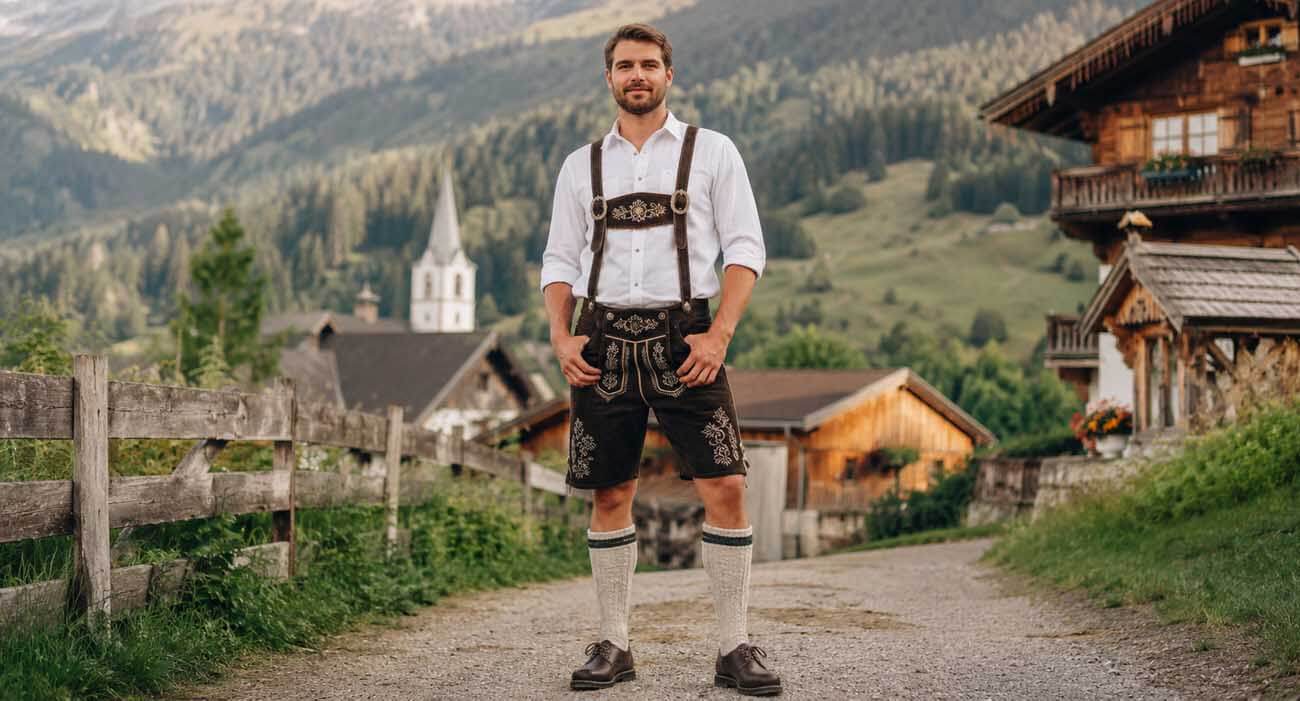
Lederhosen originated with Alpine herdsmen who needed durable, weather-resistant workwear. Over time the garment moved from farm to festival, becoming a marker of Bavarian and Tyrolean pride rather than a general German national costume. That distinction matters in a few important ways. First, lederhosen aren’t really “German” in the broad sense — they come specifically from the southern Alpine belt covering Bavaria, Austria, and South Tyrol, not Germany as a whole. Second, the garment is a folk costume rather than a fashion item: Trachten, or traditional folk clothing, is tied to regional identity much like a kilt in Scotland, and was never meant to be a universal style. Third, the leather itself reflects function-first origins — it was chosen for durability during farm work and mountain life, not for broad appeal.
Understanding this origin explains almost every place on this list — lederhosen aren’t absent by accident; they’re absent because they were never meant to be worn everywhere.
It also helps to compare lederhosen to other regional garments that stayed regional on purpose. A Scottish kilt isn’t everyday wear in England. A Japanese kimono isn’t standard dress in Osaka’s business district. Traditional garments almost always function as identity markers for a specific place, occasion, or heritage group — and lederhosen fit that same pattern. The garment’s leather construction, embroidery style (called “Stickerei”), and even the type of buttons used can indicate which Bavarian or Tyrolean valley a piece originally came from. That level of regional specificity is part of what makes lederhosen a genuine folk costume rather than a mass-market fashion item, and it’s exactly why the garment hasn’t spread the way denim or sneakers have. The same regional logic applies to the accessories worn with it — traditional lederhosen suspenders and lederhosen belts each carry their own regional embroidery patterns, so even the supporting pieces of an outfit stay tied to a specific place of origin.
Regions of Germany Where Lederhosen Are Not Traditional
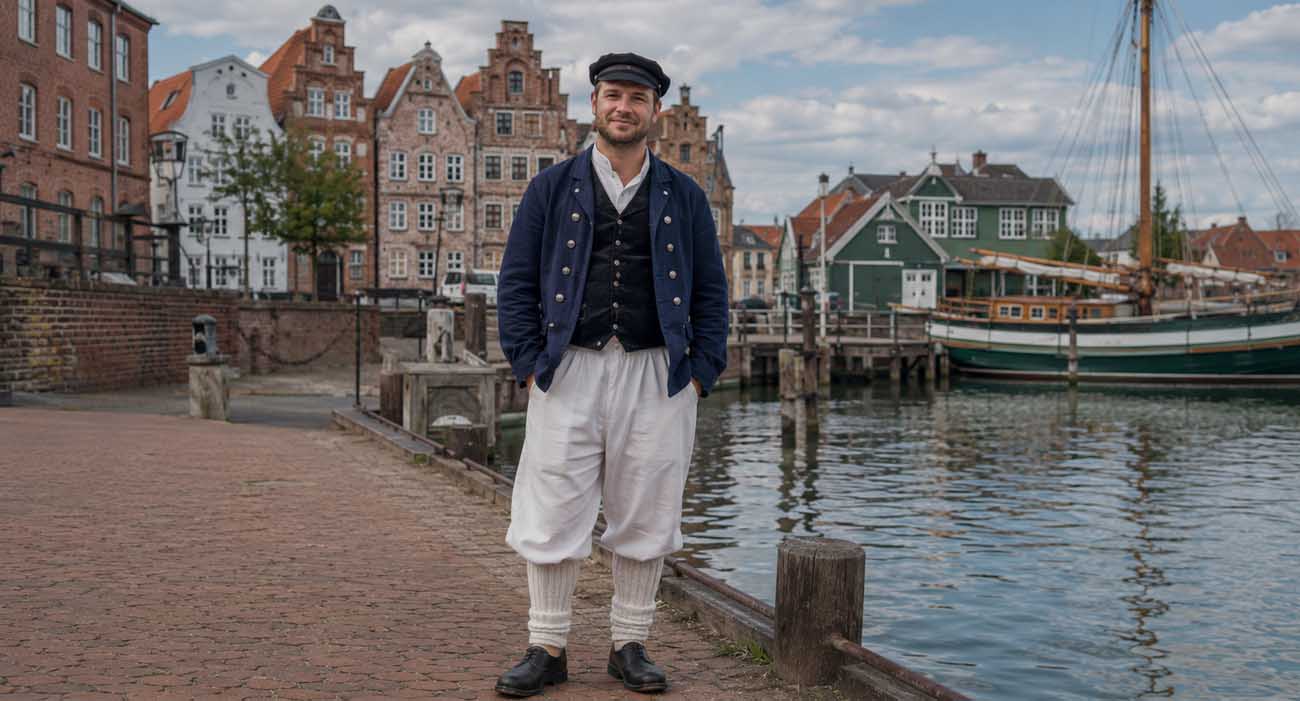
Even within Germany, lederhosen are a Bavarian and southern-Alpine tradition, not a national one. Most Germans outside Bavaria still don’t wear them as folk dress.
- Northern Germany: Coastal states like Hamburg and Schleswig-Holstein have maritime-influenced Tracht, not leather breeches.
- Swabia and the Rhineland: These regions have their own historical folk costumes, distinct from Bavarian styles.
- In Berlin and other major cities, Lederhosen appear mainly at themed events, not as regional-identity wear.
This regional split within Germany itself is one of the most common misconceptions people encounter. International audiences often treat “German clothing” and “lederhosen” as the same thing, when in reality Bavaria represents just one of Germany’s sixteen federal states. Someone from Hamburg wearing lederhosen to a formal occasion would look just as out of place as a Bavarian wearing a Frisian fisherman’s sweater to Oktoberfest. This is precisely why German tourism boards and cultural associations are careful to label lederhosen specifically as Bavarian Tracht, not generic German dress, in their marketing materials.
This distinction matters for anyone shopping for an outfit, too. Getting the fit and styling right is part of respecting where the garment comes from — our guide on how tight lederhosen should fit walks through proper sizing, and once the fit is sorted, it’s worth pairing the piece correctly with Bavarian shirts, the right Trachten socks, and appropriate lederhosen shoes rather than mixing in pieces from unrelated regional styles.
Asian Countries Where Lederhosen Are Not Worn

Asian nations have their own centuries-old traditional garments, so lederhosen have essentially no cultural footing there.
- Japan: The kimono remains the primary traditional garment for formal occasions like weddings and tea ceremonies.
- China: The qipao (cheongsam) continues to represent Chinese heritage and craftsmanship in formal and ceremonial dress.
- South Korea: The hanbok fills the same cultural role that lederhosen fill in Bavaria — and the two are never interchanged.
These garments are rooted in local philosophy, symbolism, and history — Confucian values in China, Shinto aesthetics in Japan — so lederhosen don’t factor into their sartorial traditions at all, even as global fashion exchange increases.
That said, cross-cultural interest hasn’t disappeared entirely — it’s just channeled differently. Oktoberfest-style events have grown steadily across Asian cities in the last few years, with Tokyo, Singapore, and Shanghai all hosting German-beer-culture festivals. But even at these events, lederhosen typically appear as costume rentals for the occasion rather than as adopted fashion, underscoring the difference between celebrating a culture for a night and integrating a garment into daily or ceremonial wardrobes. Anyone traveling to one of these events is usually better served renting or buying authentic lederhosen designed for the occasion, rather than assuming a generic costume-shop version will carry the same craftsmanship or cultural accuracy.
Global Fashion Capitals That Skip Lederhosen

Fashion-forward cities set trends that rarely circle back to regional folk costume. If anything, the divide between heritage wear and runway fashion keeps widening as fast fashion and AI-driven trend cycles dominate. In New York and Paris, runways prioritize avant-garde design, streetwear, and international collaborations over traditional garments. Milan and London’s high fashion houses rarely reference Bavarian Tracht outside of themed or novelty collections. Seoul and Tokyo, meanwhile, lead in techwear and minimalist trends, leaving little room for heritage leatherwear from another continent.
Rapid trend cycles and algorithm-driven style discovery, now a defining feature of modern fashion, mean niche cultural garments like lederhosen rarely break into mainstream urban wardrobes — they stay associated with cultural festivals instead.
There’s also a practical dimension worth mentioning: lederhosen are built from thick, structured leather designed for cool Alpine climates and outdoor durability, not for the layered, mix-and-match styling favored in fast-moving urban fashion scenes. A garment engineered for mountain weather and folk dancing simply doesn’t translate well into a Manhattan office or a Parisian café — not because it’s unwelcome, but because it wasn’t designed for that context in the first place.
It’s a similar story for outerwear. Bavarian trachten jackets and leather jackets are cut for function and folk tradition rather than runway silhouettes, which is part of why they stay in a category of their own even as global outerwear trends shift season to season. Fashion capitals prize novelty and rapid turnover; heritage garments like lederhosen prize continuity, and the two priorities rarely overlap outside of dedicated cultural events.
Festivals and Events Where Lederhosen Don’t Appear
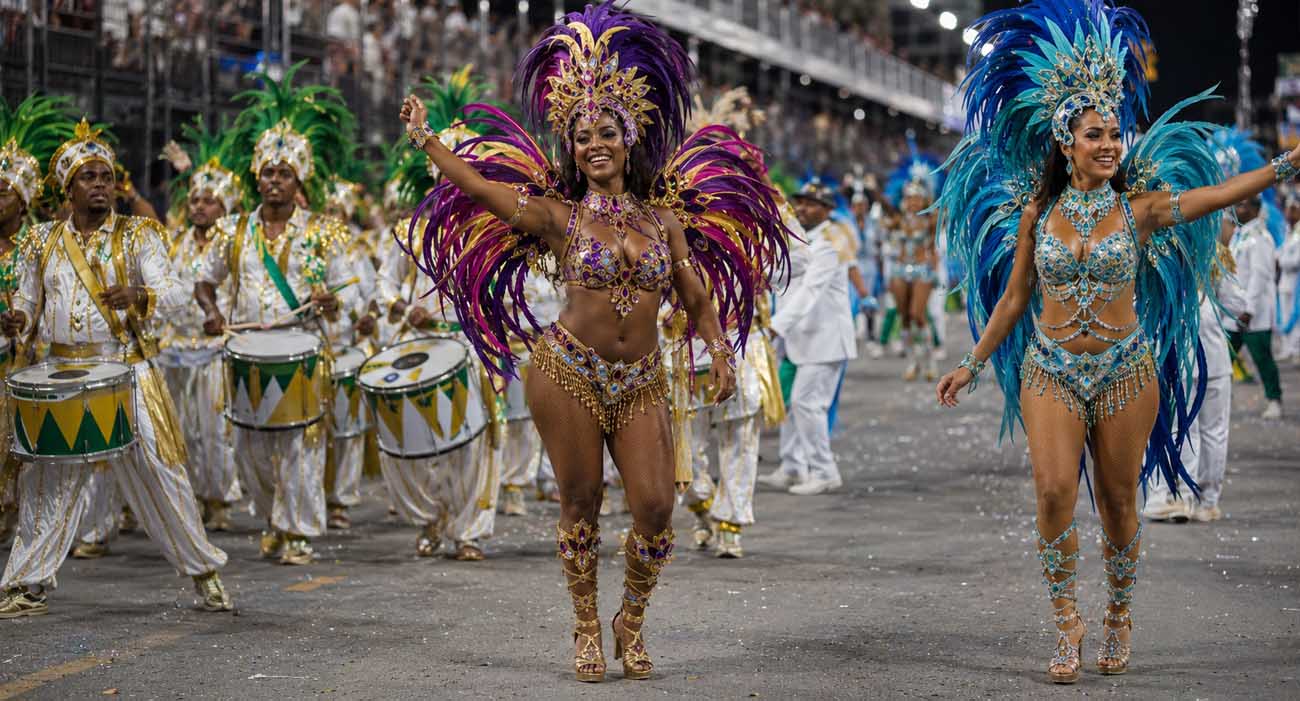
Not every festival with a “cultural” dress code makes room for lederhosen — most have their own well-established sartorial identity. At music festivals like Coachella and Glastonbury, bohemian and streetwear looks dominate, not folk costume from any single culture. Rio Carnival in Brazil is built around elaborate carnival costumes and Bahiana dress that reflect Afro-Brazilian and Portuguese heritage, and Diwali celebrations in India center on traditional attire — saris, sherwanis, lehengas — with no crossover to Bavarian dress.
The common thread across these events is authenticity. Rio Carnival, Diwali, and major music festivals all built their visual identity around specific histories, and organizers, performers, and attendees generally preserve that identity rather than blending in unrelated cultural garments. This is different from Oktoberfest itself, where lederhosen are the expected and celebrated dress code precisely because the entire event exists to honor that specific Bavarian tradition. Context is what determines whether a garment belongs — and outside of German-heritage events, lederhosen simply don’t have that context. If you’re curious about the etiquette side of Oktoberfest culture, our post on whether children are allowed in Oktoberfest beer tents covers another commonly misunderstood aspect of the festival.
Multicultural Cities and Professional Settings
Even in cities built on cultural blending, lederhosen rarely surface outside dedicated German or Oktoberfest-themed events. In Toronto and Sydney, multicultural festivals celebrate dozens of heritages, but lederhosen stay tied specifically to German-community events rather than general “fusion” wardrobes. Corporate workplaces worldwide — from London to Tokyo to Dubai to New York — call for suits or smart-casual wear, not folk costume, and uniformed professions like healthcare, aviation, and law enforcement have standardized uniforms that leave zero room for cultural garments of any kind.
Multicultural cities present an interesting case because they actively celebrate dozens of heritage groups through dedicated festivals, restaurants, and cultural centers — yet lederhosen still stay confined to specifically German-organized events, such as a city’s German-American club or a local Oktoberfest committee. This shows that cultural visibility in a diverse city doesn’t automatically translate into everyday adoption; garments stay tied to the communities that carry their tradition forward, and that’s true for lederhosen just as much as for a sari, kilt, or hanbok in the same city. The same holds for the women’s side of Bavarian Tracht — dirndl dresses appear at German-heritage festivals in multicultural cities, but rarely make it into everyday multicultural fashion outside of that specific context.
Where You Will Still See Lederhosen Today
To balance the picture: lederhosen are thriving where they belong. Oktoberfest in Munich, U.S. cities with strong German-American communities (Cincinnati, Milwaukee, Seattle), and Alpine tourism regions in Austria and South Tyrol all keep the tradition visibly alive. Modern lederhosen brands have also expanded into cargo-style, stretch-leather, and women’s cuts, which has actually increased interest in authentic Bavarian wear for festival travelers — even as the garment stays absent from daily fashion elsewhere.
A few current trends worth flagging:
- Destination Oktoberfest travel is up. More international visitors than ever are flying into Munich specifically for Oktoberfest, driving demand for authentic (not costume-grade) lederhosen.
- German-American festival culture is expanding. Smaller U.S. towns are launching their own Oktoberfest events, extending lederhosen visibility well beyond the traditional heritage cities.
- Sustainable and made-to-measure leatherwork is trending. Buyers increasingly want lederhosen crafted from responsibly sourced leather, reflecting broader consumer priorities around sustainability.
None of this changes the core picture: lederhosen remain purpose-built for a specific cultural moment and place. Their growing popularity within that context, rather than outside it, is actually a sign of a healthy, well-preserved tradition. Women exploring the tradition for the first time can find a full breakdown of modern styling options in our guide to lederhosen for women, and anyone assembling a first Oktoberfest outfit should check our advice on what shoes to wear with lederhosen before finalizing the look.
Frequently Asked Questions
No. Socks are optional. Bare legs, tights, ankle socks, and knee-highs are all acceptable depending on the event, weather, and region.
Knee-high or over-the-knee socks in wool or cotton, often with ribbing or lace trim, are the most historically traditional choice in Bavarian and Austrian Tracht culture.
Yes. Bare legs are one of the most common choices at modern Oktoberfest events, especially in warm weather or during the day.
Yes. Ankle socks work well with shorter or knee-length dirndls and are a popular casual, comfortable choice for outdoor festivals.
They can be, especially with mid-length dirndls and a more fashion-forward styling approach. They are less traditional and best suited to casual or costume-style events rather than formal Tracht occasions.
Choose a neutral tone to let the dress lead, or match one accent color from the dirndl. Avoid combining two bold patterns.
Cotton is breathable and best for warm weather or long wear; wool provides warmth for cooler seasons; silk blends suit more formal or evening occasions.
It varies by region and event type. Rural and formal Tracht events still favor traditional knee-high socks, while urban festivals and warm-weather Oktoberfest crowds increasingly go sockless or wear sheer tights.
Final Verdict
Wearing socks with a dirndl comes down to occasion, weather, and personal style — not a fixed rule. If you want a traditional, authentic Tracht look, choose knee-high wool or cotton socks in a color that complements your dirndl. If you’re dressing for a warm-weather festival or prefer a modern, minimal look, bare legs or sheer tights work just as well. Either choice honors the dirndl — the goal is comfort, coordination, and confidence in however you choose to wear it.
Explore our full collection of Dirndls and shop matching Trachten socks to complete your look.


