

Blog
Discovering the Magic of Almfest – A Visitor’s Guide


Almfest remains one of the most cherished celebrations in the alpine regions, drawing visitors from around the world to experience the beauty and traditions of mountain life — offering an experience that pairs beautifully with our Oktoberfest visitor guide for travelers looking to explore more of Bavaria’s festival season. Held in small, scenic villages nestled in the Alps, the festival marks the community’s celebration of the end of summer and the return of livestock from the high mountain pastures. Almfest continues to grow in popularity — welcoming a new generation of international travelers while staying true to the centuries-old customs that make it so special. At its core, Almfest still symbolizes the enduring bond between humans, nature, and culture in the alpine world.
The origins of Almfest go back centuries, when alpine villagers hosted communal gatherings to welcome herders and livestock home from summer grazing in the highlands. That tradition of celebrating a safe return has evolved into a full festival of community, culture, and regional pride — one that today blends age-old customs with a modern, festival-going experience. For locals, it’s still a time to reconnect with heritage; for visitors, it remains an immersive gateway into alpine life.
Central to Almfest’s appeal is its atmosphere of vibrant tradition. Attendees of all ages continue to dress in Lederhosen for men and Dirndls for women, honoring traditional Lederhosen attire that has defined alpine celebrations for generations. In recent years, festival organizers have also introduced modern touches — from digital entry passes and mobile festival maps to expanded family zones — making it easier than ever for first-time visitors to plan their trip while still soaking in the authentic parades, decorated animals, and artisan stalls that define Almfest.
What’s New at Almfest
Almfest has embraced a few notable updates in recent seasons that visitors should know before planning a trip:
- Sustainability initiatives: Many villages hosting Almfest have introduced reusable cup systems, better waste sorting, and local sourcing requirements for food vendors, reflecting the alpine community’s growing focus on environmental stewardship.
- Digital ticketing and scheduling: Several regions now offer online ticketing and event apps, allowing visitors to reserve spots at popular workshops (like woodcarving or yodeling lessons) in advance rather than waiting in line.
- Extended festival calendars: Some villages have expanded Almfest into multi-weekend celebrations to accommodate growing visitor numbers, so it’s worth checking specific regional dates rather than assuming a single fixed weekend.
- Greater international presence: Almfest has seen a steady rise in visitors from outside Europe, and many stalls and information booths now offer materials in English and other languages.
- Evolving festival fashion: Attire trends continue to shift each season, and visitors curious about the latest Dirndl & Lederhosen trends can find plenty of inspiration before putting together their festival outfit.
Traditional Alpine Games and Contests
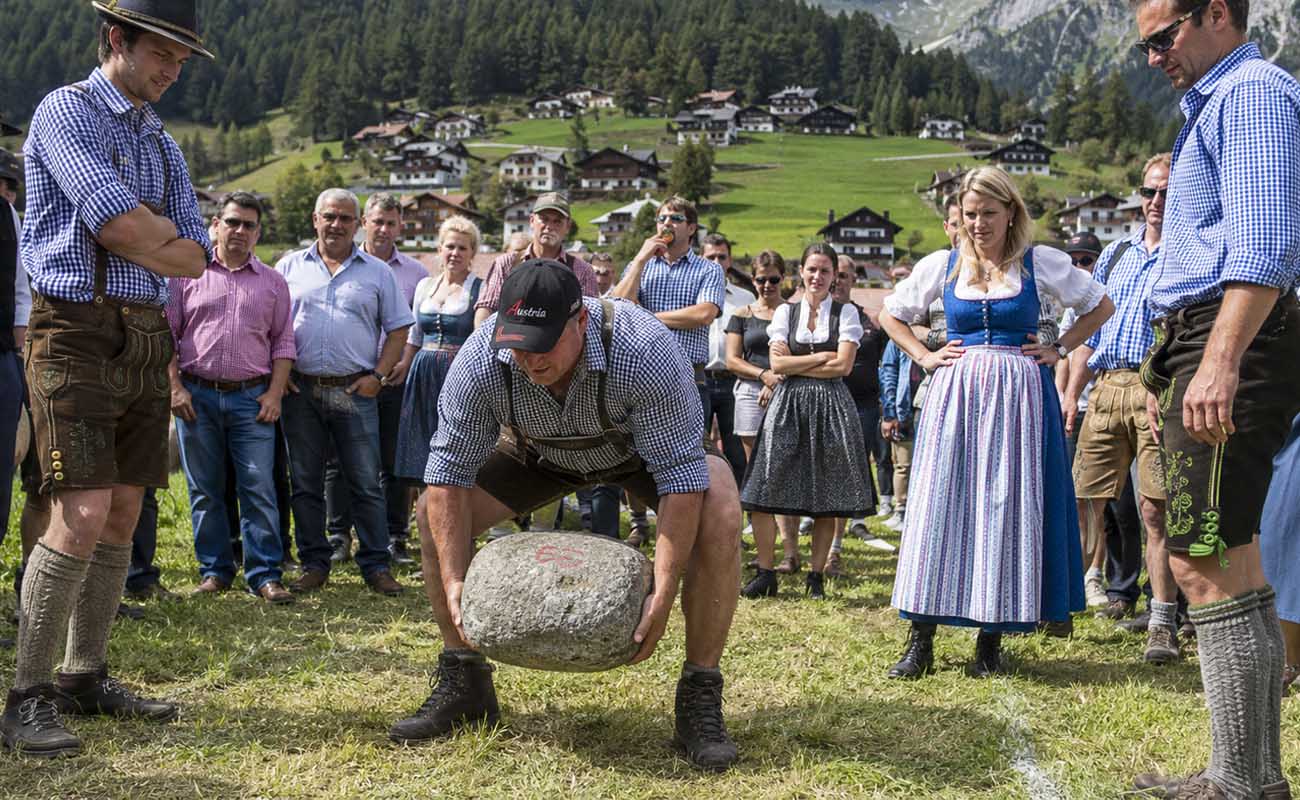
Almfest wouldn’t be complete without its traditional games and contests, which bring a lively, competitive spirit to the celebration. These events continue to showcase the strength, agility, and endurance shaped by generations of mountain life.
The stone-lifting competition remains a crowd favorite, where participants attempt to lift massive stones in a display of raw strength — a tradition rooted in the historical necessity of resilience in alpine communities. Wood-cutting competitions also continue to draw large crowds, with competitors timed as they chop logs with speed and precision, honoring skills once essential for survival in the mountains.
Yodeling competitions remain the most iconic of all Almfest activities. This distinctive vocal tradition, once used as a form of communication across mountain valleys, is now a celebrated art form featuring talented performers from across the region. Visitors can still join beginner yodeling lessons offered by local instructors — a highlight for many first-time attendees.
Beyond these headline events, many villages also host alphorn performances, where musicians play the long, curved wooden instrument historically used to call livestock and communicate across valleys. The deep, resonant tones of the alphorn have become synonymous with alpine identity, and watching a group performance is often one of the most memorable moments of the festival. Children’s games are woven throughout the day as well, including sack races, tug-of-war, and traditional ring-tossing contests, ensuring that Almfest remains a family-friendly celebration rather than an event geared solely toward adults. Prizes at these contests are often modest — ribbons, small trophies, or locally made goods — but the pride that comes with winning in front of one’s community carries far more weight than the prize itself.
Gastronomic Delights of the Alps
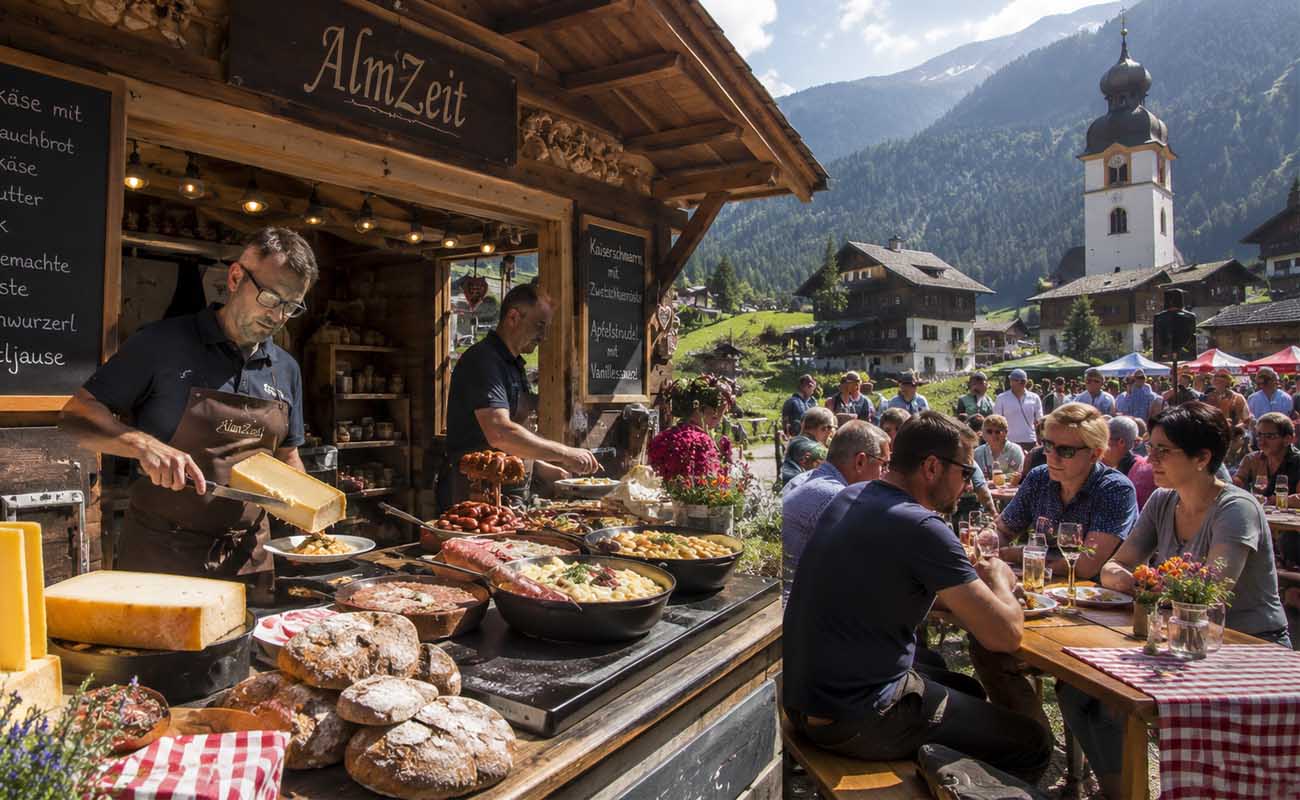
Almfest’s culinary offerings continue to be a highlight of the festival, showcasing the rich flavors unique to the alpine regions. Food stalls and pop-up restaurants serve hearty alpine dishes — from raclette (melted cheese served with potatoes, pickles, and onions) to käsespätzle (egg noodles layered with cheese and caramelized onions).
Regional meats, sausages, and cured hams — prepared using methods preserved for generations — remain festival staples. Smoking and curing techniques passed down through alpine families give these meats a distinct, smoky depth of flavor that visitors often say they can’t find anywhere outside the region. Bakers, too, play a starring role at Almfest, with stalls selling freshly baked pretzels, strudels, and dense rye breads still warm from wood-fired ovens.
Traditional beverages also play a central role: schnapps made from local apples, pears, and alpine herbs, along with regional beers and, increasingly, a growing selection of alcohol-free botanical drinks catering to health-conscious visitors. Beer lovers curious about the wider brewing culture behind these pours may enjoy learning about Germany’s most popular beer or discovering why the iconic Bavarian beer hall tradition remains so influential across alpine festival culture. Many food stalls are family-run, with recipes passed down across generations, giving visitors the sense that they’re tasting genuine home cooking rather than festival fare designed purely for tourists. For those interested in learning more, some villages now offer short culinary demonstrations where local cooks explain the history and preparation behind signature dishes, adding an educational layer to the dining experience.
Craftsmanship and Artisan Stalls
Almfest continues to showcase the work of skilled alpine artisans. Wood carvings, hand-woven textiles, and embroidered fabrics remain popular among visitors looking for meaningful souvenirs rather than mass-produced gifts. Many carvers specialize in depicting local wildlife or mountain scenery, and it’s common to see artisans working directly at their stalls, shaping raw wood into finished pieces in front of an audience.
Leatherworking holds a special place among the festival’s crafts, given its deep connection to traditional Lederhosen and Trachten clothing. Visitors can watch craftspeople stitch, tool, and finish leather by hand, using techniques that have barely changed over generations. Pottery and weaving demonstrations round out the artisan offerings, with some vendors selling functional pieces like bowls, mugs, and woven baskets alongside more decorative items.
Live demonstrations — including leatherworking, pottery, and weaving — give visitors a hands-on window into traditional alpine craftsmanship, with several villages now offering pre-bookable workshop slots to manage growing visitor interest. These workshops are a popular choice for families and groups, offering a slower-paced, interactive alternative to the busier main festival grounds, and many visitors leave with a handmade item they crafted themselves rather than simply purchased.
Wildlife and Natural Wonders of the Alps
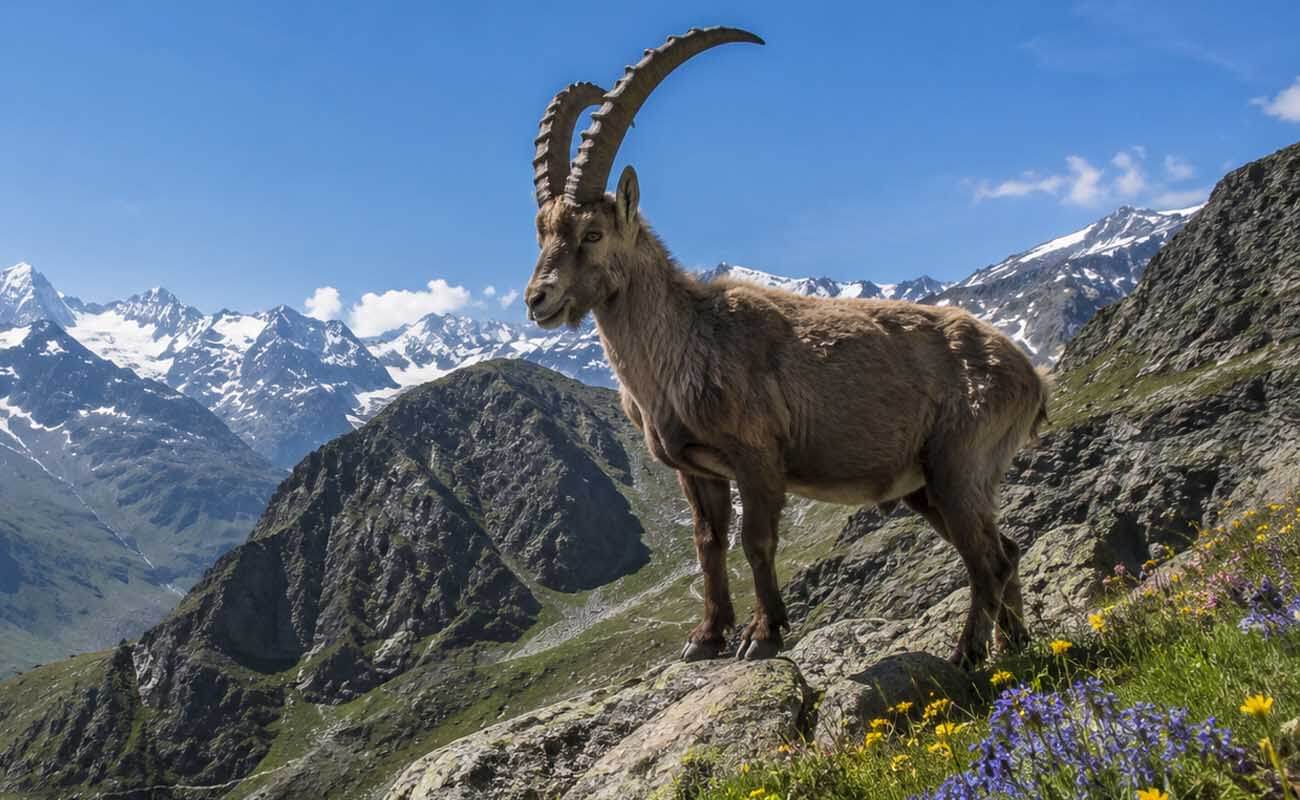
Beyond the cultural festivities, Almfest still offers guided nature walks through the alpine landscape, where visitors can observe native plants, wildflowers, and wildlife such as ibexes, marmots, and eagles. These walks are typically led by local guides who share generations of accumulated knowledge about the terrain, weather patterns, and seasonal changes that shape life in the mountains — insights that go far beyond what a typical guidebook can offer.
Conservation-focused programming has expanded in recent years, with local experts leading sessions on biodiversity and habitat protection. These sessions often highlight the delicate balance alpine ecosystems maintain, and the effects that tourism, climate shifts, and land use continue to have on the region. For visitors interested in a deeper connection to the landscape, some guided walks now include opportunities to assist with light conservation work, such as recording wildlife sightings or helping maintain trail markers.
For more adventurous visitors, rock climbing, hiking, and paragliding remain popular ways to experience the Alps from new perspectives. Multi-day hiking routes connecting several alpine villages have also grown in popularity, allowing visitors to combine outdoor adventure with stops at smaller, less crowded Almfest celebrations along the way — an appealing option for travelers who want to avoid the busiest festival crowds while still soaking in the atmosphere.
Getting There and Where to Stay
Most Almfest celebrations take place in smaller alpine villages, meaning access typically involves a mix of train travel to a regional hub followed by a scenic bus or car journey into the mountains. Many villages are well connected during festival season, with extra shuttle services often added to handle the increase in visitors. Renting a car offers the most flexibility for exploring multiple villages, though parking near festival grounds can fill up quickly on peak days.
Accommodation options range from cozy guesthouses and family-run inns to larger hotels in nearby towns. Staying directly in or near the host village offers the most immersive experience, allowing visitors to enjoy the festival atmosphere well into the evening without a long journey back. For those traveling during particularly popular weekends, booking a room in a neighboring village and commuting a short distance can be a practical alternative, especially since public transport links between alpine communities tend to run more frequently during festival periods.
Planning Your Visit
- Book early: With rising international interest, accommodation near popular Almfest villages fills up quickly — plan several months ahead if possible.
- Check regional dates: Almfest isn’t a single fixed event; different alpine villages host their own celebrations, often in late summer through early autumn.
- Dress the part: Traditional attire is welcomed and encouraged. Browse our collection of Lederhosen and Dirndls to arrive festival-ready.
- Bring cash and a reusable cup: While digital payments are more common now, smaller vendor stalls may still be cash-preferred, and many venues encourage bringing a reusable cup for drinks.
- Combine it with other festivals: If your trip allows for more travel, consider pairing your visit with other alpine festivals worth visiting, such as Frühlingsfest, for a fuller taste of alpine celebration culture.
Conclusion
Almfest remains a vibrant celebration of alpine culture — one that continues to blend deep-rooted tradition with thoughtful modern updates. From competitive games and spirited music to alpine cuisine and handcrafted art, the festival offers visitors an authentic and increasingly accessible way to connect with mountain heritage. Whether you’re a returning visitor or planning your first trip, Almfest remains a gateway to understanding the enduring spirit of the Alps — and a chance to create lasting memories in one of the most picturesque settings in the world.


