
What Patterns Are Typical for Authentic Dirndls?


The dirndl, a traditional dress from Bavaria and Austria, has become synonymous with the rich cultural heritage of the region. It’s not just a garment; it represents centuries of tradition, craftsmanship, and regional identity. Worn at major festivals such as Oktoberfest, religious events, and even weddings, the dirndl carries with it a deep sense of Bavarian pride. The allure of the dirndl is not just in its silhouette but in its intricate details—especially its patterns. These patterns are not mere decorative flourishes; they serve as a form of cultural expression, reflecting the wearer’s regional background, personal style, and even the occasion.
Understanding these patterns provides a window into Bavarian history and fashion evolution. From classic plaid to the romanticism of floral prints, each pattern holds significance, symbolizing both the wearer’s personality and their connection to tradition. In this comprehensive guide, we explore the most common patterns seen in authentic dirndls, the cultural meaning behind them, and their role in maintaining and celebrating Bavarian heritage.
Common Patterns in Authentic Dirndls
Plaid (Karo)
Plaid, also known as Karo, is one of the most recognizable patterns in Bavarian dirndls, with its history deeply embedded in the rural and agricultural communities of Bavaria. Plaid patterns in dirndls are far from being a uniform design; they come in a wide variety of color schemes and sizes, each carrying its own connotations. Traditionally, plaid symbolized modesty and a connection to the rural lifestyle of Bavaria. It was worn by women in villages, particularly for everyday tasks, and became a hallmark of practicality as well as regional identity.
- Small vs. Large Plaid Patterns: The size of the plaid pattern can dramatically alter the appearance of the dirndl. Smaller plaids are often more refined, lending themselves to more formal occasions. These smaller checks are seen as more delicate and are typically chosen for weddings or ceremonial events. On the other hand, larger plaid patterns are bolder and often associated with more casual dirndls, frequently worn at festivals like Oktoberfest. These larger checks create a rustic, approachable feel, aligning with the jovial, celebratory atmosphere of such events.
- Seasonal Color Trends: The choice of colors in plaid patterns is not random. It changes with the seasons and the mood of the event. Autumnal plaids, with hues like burnt orange, deep burgundy, and forest green, are popular for fall festivals and harvest events. In contrast, during the spring and summer months, lighter plaid patterns in shades of sky blue, lemon yellow, and soft pink emerge, reflecting the vibrancy of the season. The interplay between pattern size and color palette gives dirndl wearers an opportunity to express individuality while adhering to cultural norms.
- Cultural Origins: Plaid patterns are not just a visual aesthetic; they carry cultural weight. In regions like Chiemgau and Allgäu, specific plaid designs have been passed down through generations, becoming a signature style for these areas. Wearing a dirndl with a particular plaid pattern can signify your regional heritage and even your family’s lineage. The roots of plaid in Bavarian clothing can also be traced to the agricultural past of the region, where practicality and durability were prioritized. Today, while the function has shifted toward fashion, the connection to rural Bavarian identity remains strong.
Floral Prints
Floral prints on dirndls evoke the beauty of the Alpine landscape and the deep bond that Bavarians have with nature. These patterns are an essential element of dirndl design, offering a touch of romanticism and an homage to Bavaria’s lush meadows and mountainous terrain. The flowers chosen for these prints are not arbitrary; they often have symbolic meanings rooted in Bavarian folklore and tradition.
- Types of Flowers: Among the most common floral motifs in dirndls is the Edelweiss, a small white flower native to the Alpine regions. Known for its resilience in harsh conditions, the Edelweiss has become a symbol of strength and purity, making it a revered flower in Bavarian culture. Other popular flowers include daisies, which represent innocence and simplicity, and roses, which bring an element of romance. These floral patterns often cover the dirndl’s bodice or apron, creating a harmonious design that celebrates both femininity and the natural world.
- Color Variations: Floral prints can range from soft, muted tones to bright, bold colors, depending on the intended occasion and season. For instance, pastel florals in shades of pink, lavender, and baby blue are often seen in springtime dirndls, symbolizing new beginnings and the freshness of the season. In contrast, deep reds, purples, and emerald greens may be used in winter dirndls to reflect the rich, warm colors of the holiday season. The combination of flowers and colors creates a dynamic interplay that enhances the overall aesthetic of the dirndl, making it a visual representation of Bavarian values and seasonal changes.
- Connection to Nature and Tradition: Floral designs are not just beautiful; they connect the wearer to the traditions of Bavaria. Bavaria, with its rolling hills, vibrant meadows, and towering Alps, has long been a region that cherishes its natural environment. Floral patterns serve as a tribute to the Alpine flora and the importance of nature in Bavarian life. Historically, women would incorporate real flowers into their dirndl ensembles, often weaving Edelweiss or other Alpine blooms into their hair or aprons. Today, floral prints on dirndls continue to reflect this deep cultural connection to the land, celebrating the region’s natural beauty and its role in Bavarian identity.
Stripes
Stripes, though less dominant than plaid or floral patterns, offer a sleek, understated design option that adds a touch of sophistication to the dirndl. In traditional dirndl design, vertical stripes are most commonly used, as they enhance the wearer’s silhouette, making the body appear taller and more elegant. However, modern interpretations sometimes experiment with horizontal stripes, which give a more playful and contemporary feel.
- Orientation of Stripes: Vertical stripes are the classic choice, as they create a lengthening effect, flattering a wide range of body types. This pattern is particularly beneficial for shorter women, as it elongates the torso and legs. Horizontal stripes, on the other hand, are rarely used in traditional designs but can be found in more modern or fashion-forward interpretations of the dirndl, providing a unique twist on the conventional style.
- Width and Color Combinations: The width of the stripes can drastically change the look of a dirndl. Thin stripes offer a subtle, refined elegance, making them a great option for formal events. In contrast, wider stripes are more dramatic and often used for festive dirndls designed for celebratory occasions like Oktoberfest. Common color combinations for striped dirndls include deep navy paired with white, wine red with cream, or emerald green with black. These color pairings enhance the visual appeal and offer a classic yet eye-catching look.
- Symbolism: In Bavarian culture, certain color and stripe combinations may carry symbolic meanings. For example, earthy tones like brown and green may represent a connection to the land, agriculture, and the rural lifestyle that defines much of Bavaria’s history. Brightly colored stripes, on the other hand, can symbolize festivity and joy, making them a fitting choice for celebratory events.
Polka Dots
Polka dots, with their playful and lively design, bring a sense of fun and whimsy to the dirndl. Historically, polka dots were not a part of the traditional Bavarian design lexicon but became popular in the mid-20th century. Their resurgence in modern dirndl fashion shows how traditions can evolve and incorporate newer design elements while still maintaining cultural significance.
- Historical Context: Polka dots became fashionable in the 1950s, a period marked by the popularity of bold, playful patterns in women’s clothing. Over time, this pattern found its way into dirndl fashion, and today, polka dot dirndls are a common sight at Oktoberfest and other festive occasions. While initially seen as a departure from traditional Bavarian design, polka dots have now become accepted as a part of the modern dirndl aesthetic, particularly for younger women or those looking to express a more carefree personality.
- Suitable Occasions: Polka dot dirndls are often worn for casual events and festivals, as the pattern itself conveys a sense of lightheartedness. The playful nature of polka dots makes them ideal for Oktoberfest, where the focus is on celebration and fun. However, some dirndls feature more subdued polka dot designs, making them appropriate for less formal settings as well. These patterns, paired with simple accessories, offer a relaxed yet stylish look that fits the festive spirit of Bavarian culture.
- Cultural Significance: Although polka dots are a more modern addition to dirndl design, they have become a symbol of joy and celebration in Bavarian culture. The pattern’s association with dance and music in the wider European context adds to its lively character, making it a fitting choice for events that center around music, dancing, and revelry.
Solid Colors with Embroidery
In contrast to the boldness of plaid, stripes, or polka dots, some dirndls emphasize simplicity through solid colors paired with intricate embroidery. This design approach highlights the craftsmanship of the dirndl and places focus on the textural elements of the garment rather than busy patterns. Embroidery is a key feature in many dirndls, especially those made for more formal or ceremonial occasions.
- Embroidery Patterns: Common embroidery motifs include Alpine flowers, scrollwork, and geometric designs that reflect the artisan traditions of Bavarian craftsmanship. Some dirndls also feature religious symbols, such as crosses or chalices, particularly in designs intended for church ceremonies or religious festivals. The embroidery is often done by hand, and in more luxurious dirndls, the detailing can take weeks to complete, making these pieces truly one-of-a-kind.
- Techniques and Materials: The materials used in embroidered dirndls can vary widely, with some designers opting for silk threads or gold detailing to create an air of luxury. Hand-stitched embroidery is especially prized for its artistry and craftsmanship, and such dirndls are often passed down through generations as family heirlooms. Machine-made embroidery, while more accessible and affordable, still carries the charm of tradition but lacks the personal touch of handwork.
- Regional Variations: Different regions in Bavaria and Austria have their own distinct embroidery styles. For example, dirndls from Allgäu may feature bold, geometric embroidery, while those from Chiemgau often include delicate, lace-like patterns that add a touch of refinement. These regional variations allow wearers to express their local pride while embracing the wider traditions of Bavarian dirndl design.
Regional Variations in Patterns
Differences by Region
The patterns seen in dirndls often vary based on the region from which they originate. In Bavaria, certain regions have distinct color palettes and pattern preferences that reflect local customs and traditions. These regional differences are subtle yet important, as they allow wearers to showcase their local identity while participating in Bavarian culture at large.
- Plaid in Allgäu: The Allgäu region is known for its bold plaid patterns, often in deep, earthy tones like forest green and rustic red. These plaids are closely tied to the region’s agricultural heritage, with many of the patterns mimicking the colors of the local landscape. Dirndls from Allgäu are often simpler in design, reflecting the rural lifestyle of the area.
- Floral Prints in Tyrol: In Tyrol, dirndls often feature floral prints, with motifs that draw inspiration from the region’s rich natural surroundings. Flowers such as Edelweiss, Gentian, and Alpine Rose are commonly seen in these prints, emphasizing the region’s connection to nature and the Alpine environment. Tyrolean dirndls tend to be more colorful, with vibrant hues that reflect the lively spirit of the region.
- Pastel Stripes in Chiemgau: Chiemgau, known for its picturesque lakes and rolling hills, has a more delicate approach to dirndl patterns. Here, pastel-colored stripes are common, often paired with fine embroidery to create a soft, feminine look. Dirndls from Chiemgau are often worn for festive occasions and religious ceremonies, with the soft color palette lending an air of refinement and grace.
Influence of Local Culture
Local folklore and traditions have a significant influence on the patterns chosen for dirndls. In some regions, specific patterns or color schemes may be tied to particular festivals or events. For example, certain plaid patterns might be reserved for harvest festivals, while embroidered dirndls may be worn during wedding ceremonies or religious celebrations. These cultural influences ensure that dirndl patterns are not just aesthetic choices but are deeply rooted in the traditions and beliefs of the region.
The Role of Patterns in Fashion Trends
Modern Interpretations
While traditional patterns remain central to the dirndl’s design, modern fashion trends have led to reinterpretations of these classic motifs. Designers today are blending traditional Bavarian patterns with contemporary elements, creating dirndls that are both timeless and fashion-forward. For instance, floral prints have been given a modern twist with larger, bolder motifs, while plaid patterns have been adapted in unexpected color combinations to suit contemporary tastes.
- Innovations in Fabric and Design: Advances in fabric technology have also allowed for new possibilities in dirndl design. Lightweight fabrics and stretch materials are being used to create more comfortable, breathable dirndls, while still retaining the traditional silhouette. Designers are experimenting with geometric patterns, metallic accents, and even minimalist designs, blending the old with the new to appeal to a younger, more fashion-conscious audience.
- Global Influence: As dirndls become increasingly popular outside of Bavaria, there has been a surge in international interest in dirndl patterns. This has led to a fusion of global fashion trends with Bavarian tradition, resulting in unique designs that still pay homage to the cultural heritage of the dirndl. For example, Japanese-inspired floral motifs or African geometric patterns have been incorporated into dirndls, offering a fresh perspective on this traditional garment while still celebrating its roots.
Sustainability and Authenticity
As sustainability becomes a key concern in modern fashion, there has been a growing movement to emphasize the use of natural materials and traditional techniques in dirndl production. Many designers are turning to locally sourced fabrics, including organic cotton and hemp, to create eco-friendly dirndls that maintain their authenticity. Handmade embroidery and hand-woven fabrics are also gaining popularity, as they offer a connection to the past and a commitment to ethical fashion.
By prioritizing sustainable practices, modern dirndl makers are ensuring that the craft of dirndl-making continues for future generations. This emphasis on authenticity not only preserves the rich cultural heritage of Bavaria but also appeals to consumers who value quality craftsmanship and sustainable fashion choices.
Practical Tips for Choosing Patterns
When choosing a pattern for your dirndl, it’s essential to consider not only your personal style but also the occasion and the cultural significance of the pattern. For more formal events, subtle patterns such as solid colors with embroidery or delicate floral prints are ideal. These designs exude elegance and are perfect for weddings or church ceremonies. For festive occasions like Oktoberfest, bolder patterns such as large plaid or polka dots can create a more fun and playful look.
-
 Dirndl Roseline
 -
 Damilia Dirndl
 -
 Desirée Dirndl
 -
 Wontorra Dirndl
 -
 Eilfeld Dirndl
 -
 Carina Dirndl
 -
 Darya Dirndl
 -
 Dirndl Thomalla
 -
 Dirndl Krasavice
 -
 Dirndl Patrice
 -
 Traditional Dirndl Mareile
 -
 Cathy Seductive Dirndl
 -
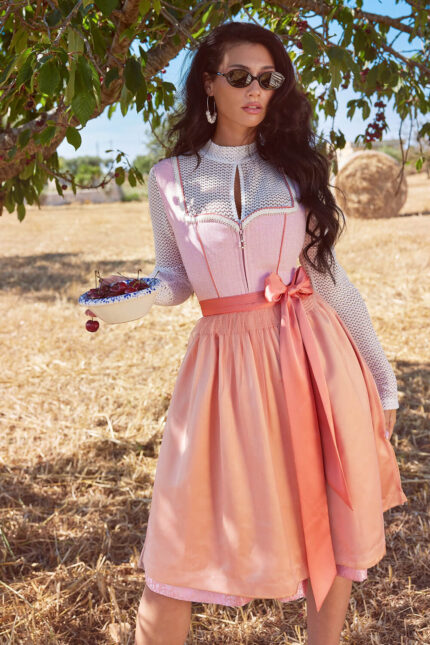 Dirndl Vanessa
 -
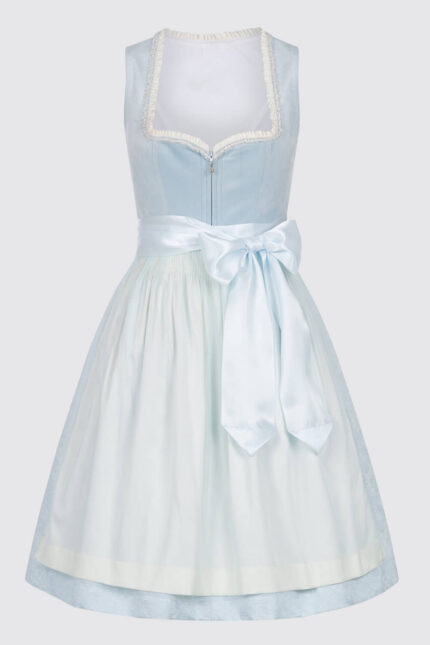 Dirndl Lisa
 -
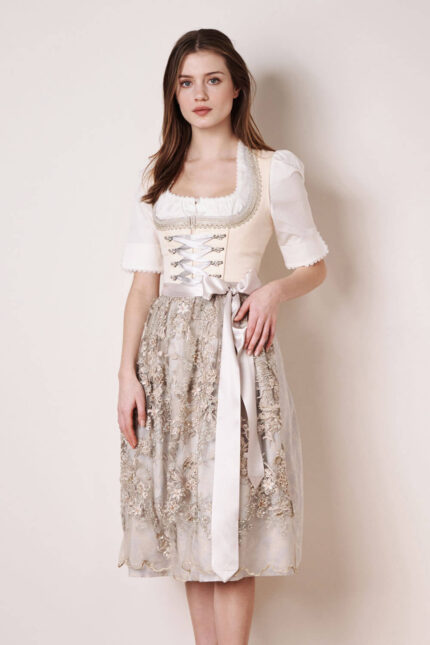 Cheyenne Dirndl Dress
 -
 Valentina Pahde Dirndl Dress
 -
 Jessica Dirndl
 -
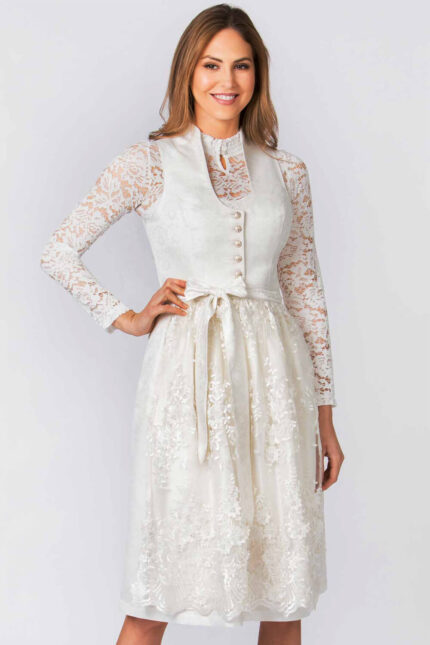 Claudia Lahm Dirndl
Additionally, consider the season when choosing your dirndl pattern. Lighter plaids and pastel florals are great for spring and summer, while deep stripes and bold floral prints work well for fall and winter events. Regardless of the pattern you choose, your dirndl should reflect your connection to Bavarian culture and your personal style.
Authentic Dirndl Patterns: FAQs for Every Enthusiast
1. What are the most common patterns used in authentic dirndls?
The most common patterns in authentic dirndls include plaid (Karo), floral prints, stripes, and polka dots. Some dirndls also feature solid colors with intricate embroidery. Each pattern has its roots in Bavarian tradition and can vary in style, size, and color depending on the occasion and region.
2. What does the plaid pattern symbolize in dirndls?
Plaid patterns traditionally symbolize modesty and a connection to Bavaria’s rural life. In the past, they were associated with everyday work attire for women in villages. Today, plaid dirndls are worn for both casual festivals and formal occasions, with variations in color and pattern size indicating the level of formality.
3. What is the significance of floral prints on dirndls?
Floral prints on dirndls represent the beauty of the Alpine landscape and the Bavarian connection to nature. Common flowers like Edelweiss symbolize strength and purity, while others like daisies and roses add a touch of romanticism. Floral prints can vary by season, with light pastels in spring and richer hues in autumn and winter.
4. Are there regional differences in dirndl patterns?
Yes, dirndl patterns often vary by region. For instance, bold plaid patterns are common in Allgäu, vibrant floral prints are popular in Tyrol, and pastel-colored stripes are frequently seen in Chiemgau. These regional variations allow wearers to express local identity and pride while adhering to wider Bavarian traditions.
5. How do modern dirndl patterns differ from traditional ones?
Modern dirndl patterns often incorporate contemporary elements, blending traditional motifs with bold colors, geometric designs, and even global influences. For example, modern floral prints may use larger, more dramatic flowers, and plaid patterns might appear in unexpected color combinations, reflecting current fashion trends while maintaining the traditional dirndl silhouette.
6. What type of pattern is best for formal events?
For formal events such as weddings or church ceremonies, dirndls with solid colors paired with hand-stitched embroidery or delicate floral prints are most appropriate. These patterns exude elegance and refinement, with more subtle designs often chosen to match the occasion’s solemnity.
7. How do I choose a dirndl pattern for Oktoberfest?
For Oktoberfest or other festive events, bold and playful patterns like large plaid, polka dots, or bright floral prints are popular choices. These patterns convey a sense of celebration and fun, aligning with the festive spirit of the event. Colorful and lively designs enhance the joyful atmosphere of Oktoberfest.
8. What is the role of embroidery in dirndl patterns?
Embroidery in dirndls, often paired with solid colors, adds a layer of craftsmanship and regional artistry to the design. Hand-stitched embroidery often includes Alpine flowers, scrollwork, and geometric designs, making each dirndl unique. Embroidered dirndls are commonly worn for formal events and are sometimes passed down as family heirlooms.
9. Do dirndl patterns change with the seasons?
Yes, dirndl patterns change with the seasons. For example, in spring and summer, you’ll often see light plaids and pastel floral prints that reflect the freshness of the season. In fall and winter, deeper hues and richer patterns like bold florals or stripes in darker shades like burgundy, forest green, and navy are preferred to match the warmer, cozier atmosphere.
10. Are polka dots traditional in dirndl design?
Polka dots are a more modern addition to dirndl design, becoming popular in the mid-20th century. While not part of the original Bavarian tradition, they have been embraced in recent years for their playful, lively aesthetic. Polka dot dirndls are typically worn at festive events like Oktoberfest, bringing a sense of whimsy to the traditional look.


