
What Materials Are Typically Used for Summer vs. Winter Dirndls?

Introduction
Dirndls are one of the most recognizable symbols of Bavarian culture, representing a deep-rooted heritage that spans centuries. These traditional dresses are not just attire for Oktoberfest, but also reflect the Alpine way of life, blending elegance, regional pride, and historical significance. Historically worn by women in rural communities, Dirndls have transitioned over time from everyday clothing to outfits worn for special occasions, festivals, and formal events.
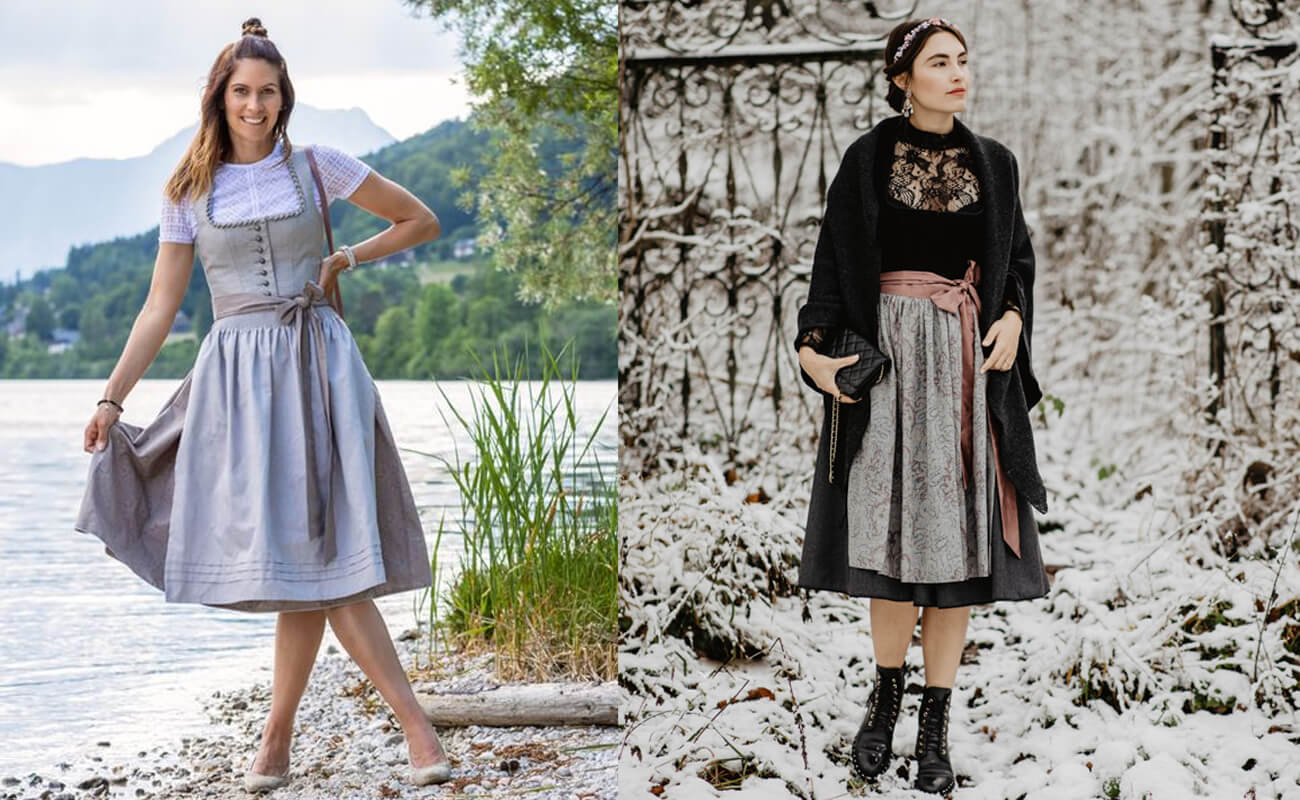
The timeless charm of Dirndls is accentuated by the versatility they offer across seasons. Whether it’s a sunny summer day or a chilly winter evening, a Dirndl can be adapted to suit the climate, making fabric choice crucial. Selecting the right material not only impacts comfort but also adds to the overall aesthetic and functionality of the garment. Fabric decisions are particularly important for balancing style with practicality, ensuring that the wearer remains comfortable regardless of the season. In this detailed guide, we will explore the various materials used for both summer and winter Dirndls, how they adapt to weather conditions, and how to select the best fabric for each season.
Summer Dirndls: Lightweight Fabrics
When summer arrives, festivals and outdoor events become abundant, and Bavarian Women Dirndls make their appearances in bright colors and lighter fabrics. Warm weather calls for materials that are breathable, flexible, and comfortable. Summer Dirndls often prioritize fabrics that help keep the wearer cool while maintaining the traditional and elegant design of the outfit.
Cotton: Breathable, Light, and Comfortable for Warm Weather
Cotton is one of the most widely used materials in summer Dirndls due to its excellent breathability and moisture absorption. Cotton fabrics allow air to circulate, keeping the wearer cool even in the heat of the day. This natural fiber is soft against the skin, making it comfortable for long periods of wear, whether at a festival or during a long summer evening. One of the standout qualities of cotton is its versatility—it can be dyed in various colors and patterns, adding vibrancy to the summer Dirndl collection. Moreover, cotton is durable, making it ideal for frequent use during summer events and festivities.
In addition to its practicality, cotton offers a casual yet traditional look, making it perfect for everyday wear. Whether adorned with floral patterns or traditional Alpine embroidery, a cotton Dirndl captures the essence of summer in Bavaria.
Linen: Natural Cooling Properties and Excellent Moisture Absorption
Linen is another excellent choice for summer Dirndls, known for its cooling properties and lightweight feel. Linen fibers are hollow, allowing them to wick away moisture and dry quickly. This property ensures that linen Dirndls keep the body cool and dry, even in the most humid summer conditions. Furthermore, linen has a slightly rustic and textured appearance, giving it a unique charm that resonates with traditional attire.
Linen is especially favored by those who want a more natural, eco-friendly option, as it is made from flax plants. Its earthy texture and natural wrinkles add a laid-back, bohemian feel to the summer Dirndl. While it may wrinkle easily, this characteristic is often embraced as part of linen’s organic charm.
Lightweight Blends: Cotton-Polyester Blends for Added Flexibility and Breathability
For a balance between comfort, durability, and easy maintenance, cotton-polyester blends are frequently used in summer Dirndls. These fabrics combine the breathability of cotton with the resilience and wrinkle resistance of polyester. A cotton-polyester blend Dirndl allows for greater flexibility, making it a practical choice for those who want an easy-to-care-for fabric that maintains its shape throughout the day.

Polyester’s quick-drying nature also adds a functional element, ensuring that even if the Dirndl gets wet during a summer rain, it will dry quickly and retain its structure. Blended fabrics are also more resistant to shrinking, making them a popular choice for those who want a durable, low-maintenance summer Dirndl.
Silk: Luxurious and Lightweight for Formal Occasions
When it comes to more formal summer events, silk is the fabric of choice for those seeking elegance. Known for its soft texture, lightweight nature, and subtle sheen, silk adds a touch of luxury to any Dirndl. Despite being lightweight, silk has a cooling effect on the skin, making it suitable for warmer weather, especially for evening or indoor events where you want to exude sophistication without overheating.
Silk Dirndls are often seen in upscale settings or formal gatherings where tradition meets high fashion. This fabric drapes beautifully, enhancing the figure while maintaining the classic Dirndl silhouette. Its smooth texture and natural shine make silk a popular choice for weddings, galas, or formal summer occasions. However, silk is more delicate than other fabrics, requiring extra care in cleaning and storage to ensure its longevity.
Winter Dirndls: Heavier and Insulating Fabrics
When the cold winter months arrive, Women Bavarian Dirndls Dress take on a different character. Fabrics become heavier, and the focus shifts to warmth and insulation, while still retaining the traditional appeal. Winter Dirndls are typically crafted from materials that provide protection from the elements without compromising on elegance.
Wool: Provides Warmth and Insulation During Colder Months
Wool is one of the most traditional fabrics for winter Dirndls, offering unmatched warmth and insulation. This natural fiber is incredibly effective at trapping heat, making it perfect for colder weather. Wool also has moisture-wicking properties, which help to keep the skin dry, even if the wearer is exposed to light rain or snow. Wool Dirndls are often lined with additional layers of fabric to ensure maximum warmth and comfort.
In addition to its practicality, wool adds a rich, traditional aesthetic to the winter Dirndl. Whether woven into intricate patterns or dyed in deep, warm colors, wool Dirndls evoke a sense of Alpine heritage and are often worn during winter festivals, holiday markets, and formal seasonal gatherings. Despite its heavier feel, wool remains breathable, preventing overheating when indoors.
Velvet: Rich and Heavy Fabric for a Luxurious Winter Look
For those who want to make a statement during the winter months, velvet is an ideal fabric. Known for its soft texture and luxurious appearance, velvet is often used in winter Dirndls designed for formal occasions. The weight of the fabric not only adds warmth but also gives the Dirndl a rich, opulent look. Velvet is particularly popular during the holiday season, where its deep colors and smooth finish reflect the festive spirit of winter events.
Velvet Dirndls are typically reserved for more formal settings, such as winter weddings, holiday parties, or upscale winter galas. The fabric’s inherent sheen catches the light beautifully, adding a sense of grandeur to the wearer’s ensemble. While velvet requires special care to maintain its texture and appearance, its luxurious feel makes it a favored choice for those seeking both warmth and elegance during the colder months.
Thick Cotton or Cotton-Wool Blends: Combines Softness with Added Warmth
For those seeking a balance between softness and warmth, thick cotton or cotton-wool blends are excellent options. These fabrics offer the breathability and softness of cotton while incorporating the insulating properties of wool. Cotton-wool blends are less bulky than pure wool, making them ideal for Dirndls that require layering or added accessories, such as aprons or shawls.
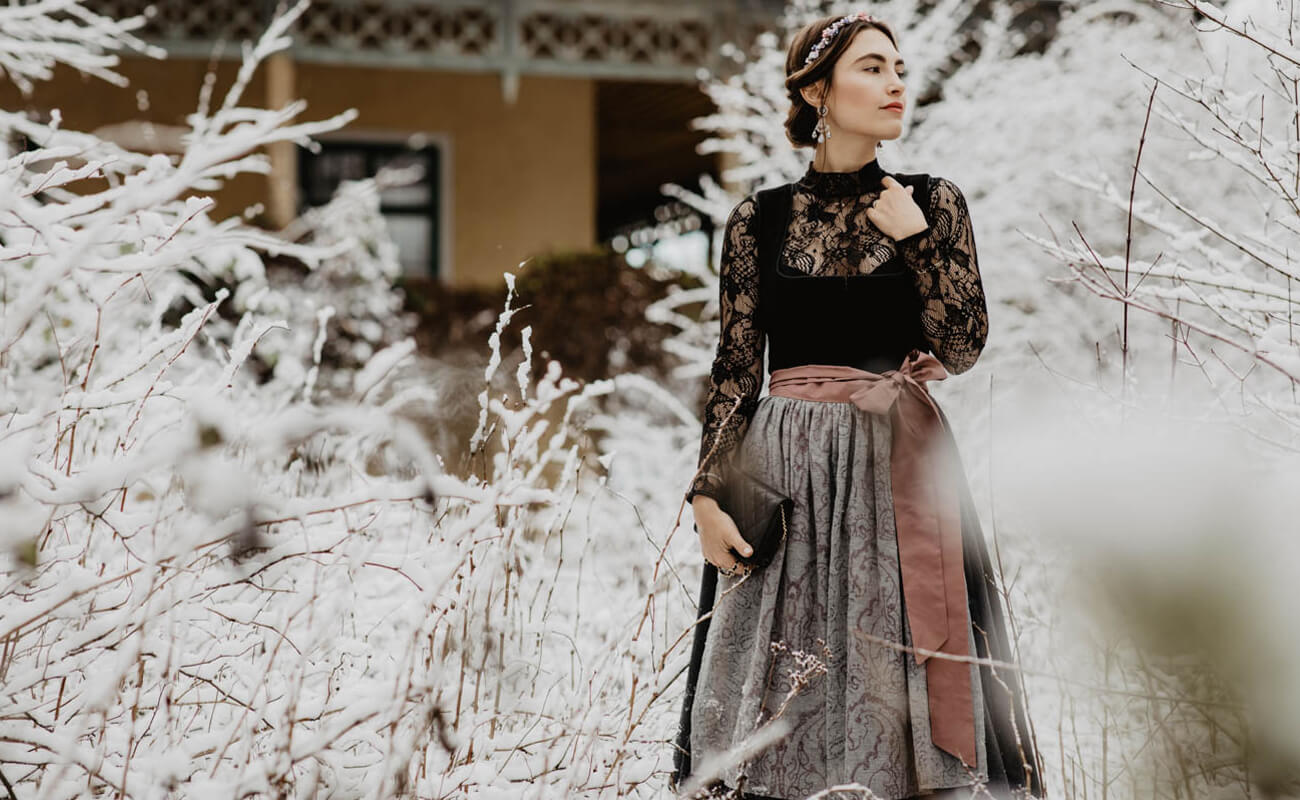
These fabrics are versatile enough to be worn for both casual and semi-formal winter events. They provide the necessary warmth for outdoor activities while still maintaining a traditional look. Additionally, cotton-wool blends are easier to care for than pure wool or velvet, making them a practical choice for winter Dirndls that see frequent use.
Corduroy: Textured, Thick Material Often Chosen for Casual Winter Styles
Corduroy is a unique fabric that has gained popularity in casual winter Dirndl styles. Known for its distinctive ribbed texture, corduroy adds a rugged, vintage feel to winter attire. It is thick enough to provide warmth in cooler weather, while its textured appearance adds a sense of depth and individuality to the Dirndl.
Corduroy Dirndls are often chosen for everyday wear during winter, particularly in rural or outdoor settings where comfort and practicality are essential. The fabric’s durability ensures that it can withstand regular wear, making it an excellent choice for casual winter outings.
Fabric Considerations for Seasonal Transition
Transitioning from one season to another can present challenges in terms of fabric selection. Dirndls, being versatile garments, can often be adapted to different weather conditions through strategic layering and fabric choice.
Layering Options
Layering plays a crucial role in extending the wearability of a Dirndl across seasons. For example, lightweight summer fabrics like cotton or silk can still be worn in early autumn or late spring if paired with warm accessories such as wool shawls, capes, or heavier aprons. Adding a warm blouse or jacket over the Dirndl can also help to transition from summer to winter without the need for a complete wardrobe overhaul.
Layering not only offers practical benefits but also allows for greater personalization and styling. Choosing accessories made from materials like wool, velvet, or fur can elevate the outfit and make it suitable for colder weather while maintaining the original lightweight Dirndl underneath.
Fabric Durability
Frequent seasonal transitions can put a strain on fabrics, especially if the Dirndl is worn regularly. Fabrics like wool, cotton-polyester blends, and corduroy are durable options that can withstand frequent use and varying weather conditions. These materials retain their shape and appearance even after repeated wear, making them ideal for those who want a long-lasting Dirndl.
Conversely, delicate fabrics such as silk may require more careful handling during seasonal transitions, as they are more susceptible to damage from moisture or temperature changes. When selecting a Dirndl for multi-season use, it’s essential to consider the durability and maintenance of the fabric to ensure it remains in good condition throughout the year.
Regional Variations in Fabric Choice
The fabric choices for Dirndls are not only influenced by seasonal factors but also by regional preferences and climates. Local traditions and weather conditions play a significant role in determining which fabrics are favored in different areas.
Bavarian vs. Austrian Preferences
In Bavaria, where winters are cold and summers can be quite warm, wool and velvet are common choices for winter Dirndls, while cotton and linen dominate the summer months. Bavarian Dirndls often feature heavy embroidery and decorative elements that reflect the region’s rich cultural heritage. Wool and velvet are favored for winter because they provide insulation against the harsh alpine climate.
In contrast, Austria, particularly in regions like Salzburg and Tyrol, may see a slightly different approach to fabric choice. Loden, a traditional woolen fabric, is a popular option for winter Dirndls in these areas. Loden is known for its weather-resistant properties, making it suitable for both casual and formal winter wear. Austrian summer Dirndls, like their Bavarian counterparts, often feature lightweight fabrics such as cotton or linen, but they may include unique local patterns and weaves that distinguish them from Bavarian styles.
Choosing the Right Fabric of Dirndl for Comfort and Style
When it comes to choosing the right Dirndl fabric, several factors need to be considered, including personal preferences, climate, and the occasion.
For Summer
In hot weather, it’s essential to prioritize breathability and moisture-wicking properties. Fabrics like cotton, linen, and silk are ideal for summer Dirndls because they allow for air circulation, keeping the wearer cool and comfortable. The weight of the fabric is also important—lighter fabrics are less restrictive and easier to wear for extended periods, making them perfect for outdoor events or summer festivals.
-
 Dirndl Roseline
 -
 Damilia Dirndl
 -
 Desirée Dirndl
 -
 Wontorra Dirndl
 -
 Eilfeld Dirndl
 -
 Carina Dirndl
 -
 Darya Dirndl
 -
 Dirndl Thomalla
 -
 Dirndl Krasavice
 -
 Dirndl Patrice
 -
 Traditional Dirndl Mareile
 -
 Cathy Seductive Dirndl
 -
 Dirndl Vanessa
 -
 Dirndl Lisa
 -
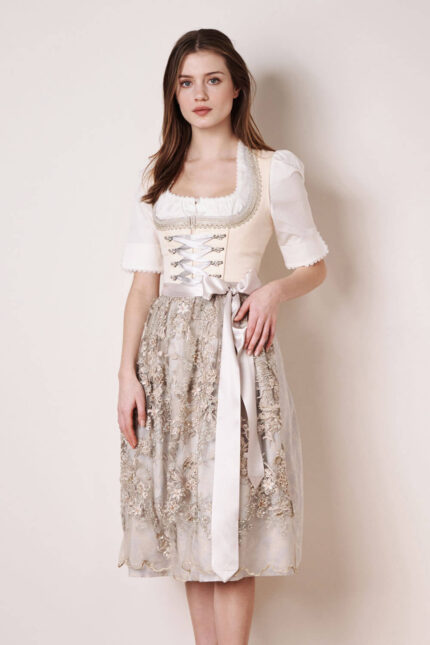 Cheyenne Dirndl Dress
 -
 Valentina Pahde Dirndl Dress
 -
 Jessica Dirndl
 -
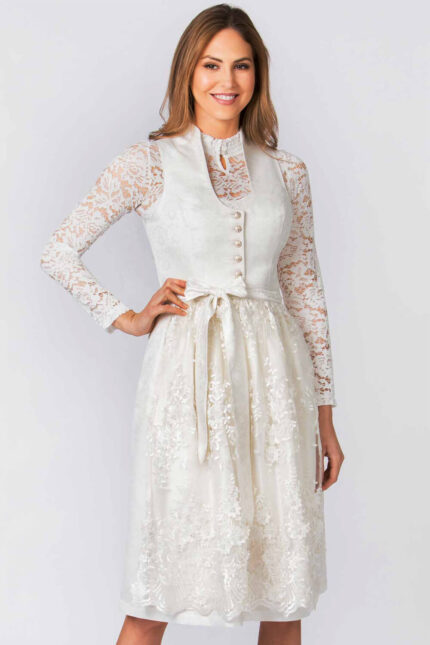 Claudia Lahm Dirndl
For Winter
In contrast, winter Dirndls should focus on warmth and insulation. Heavier fabrics such as wool, velvet, or corduroy provide the necessary protection from the cold while maintaining the traditional silhouette of the Dirndl. It’s also important to consider how the fabric will layer with other winter accessories, such as shawls, aprons, or jackets, to create a cohesive and warm ensemble.
Conclusion
The choice of fabric is one of the most critical factors in selecting a Dirndl that suits both the season and the occasion. From the lightweight, breathable materials of summer to the heavier, insulating fabrics of winter, each material serves a specific purpose in enhancing comfort and style. By understanding the properties of different fabrics and how they interact with seasonal conditions, you can ensure that your Dirndl remains both practical and fashionable throughout the year.
In summary, selecting the appropriate fabric for a Dirndl involves balancing tradition, functionality, and personal style. Whether you opt for the breathability of cotton and linen in the summer or the warmth of wool and velvet in the winter, each fabric contributes to the unique charm and versatility of the Dirndl, allowing it to remain a beloved piece of cultural attire in any season.


