
What is The Difference Between Lederhosen & Bundhosen?

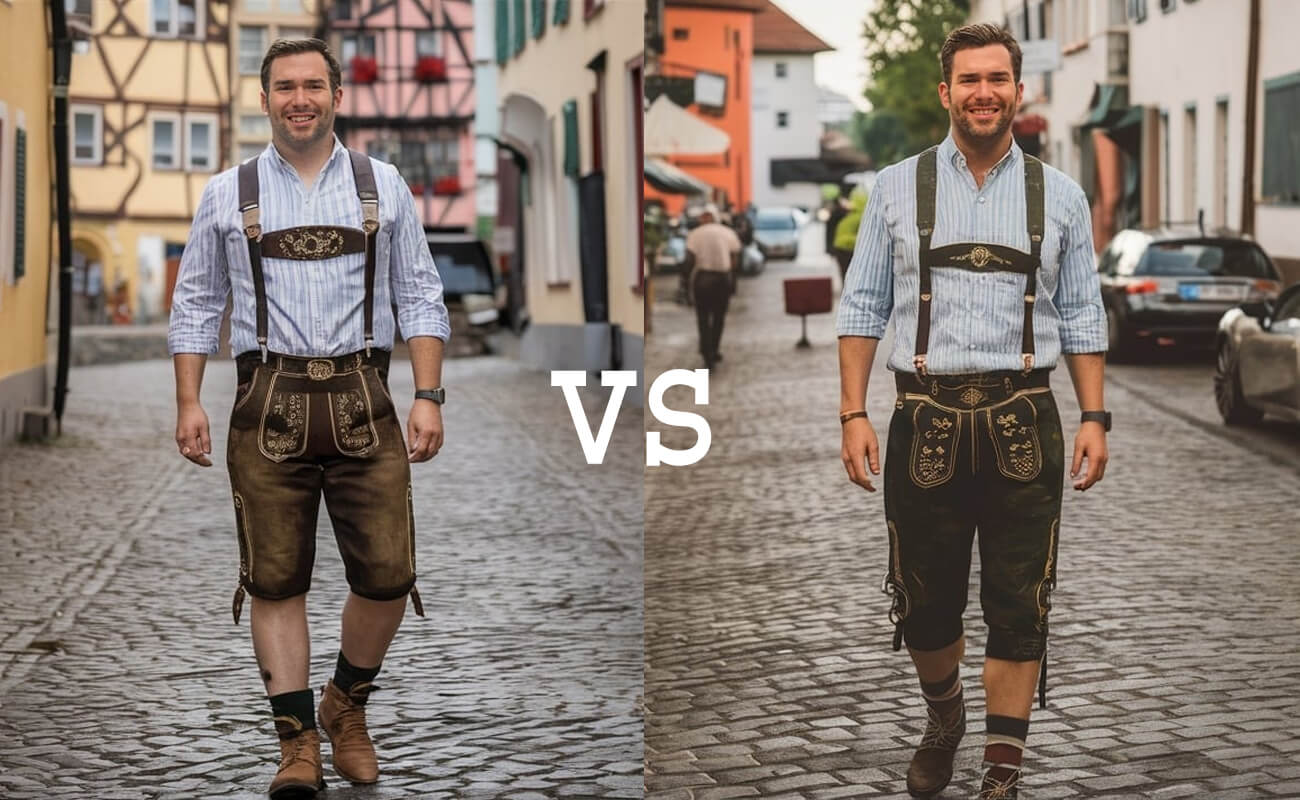
Lederhosen vs. Bundhosen: Unpacking the Key Differences
Step into the vibrant world of German fashion as we explore the age-old sartorial debate: Lederhosen versus Bundhosen. These two iconic garments hold deep-rooted cultural significance, not merely as apparel but as symbols of tradition and heritage. While Lederhosen may conjure up images of Oktoberfest revelry and Bavarian charm, Bundhosen silently stands its ground, embodying a different facet of German history and attire.
Lederhosen, with their rustic leather craftsmanship, evokes a sense of nostalgia for simpler times – the attire of Alpine farmers and hunters woven into the fabric of German folklore. In contrast, Bundhosen boasts a more refined elegance with its structured silhouette and intricate embroidery, tracing back to aristocratic roots in German society. These distinct styles reflect evolving fashion trends and serve as time capsules preserving centuries-old customs within their seams. Join us on this journey through time as we unravel the secret stories hidden within the stitches of Lederhosen and Bundhosen. This tapestry intertwines culture, history, and style in ways you never imagined.
Understanding Lederhosen
Lederhosen, a quintessential symbol of German culture, has roots that trace back to the Alpine regions of Bavaria and Tyrol in the 18th century. Originally designed for the working class in mountainous areas, these knee-length leather breeches were crafted for durability and flexibility during labor-intensive tasks like farming or hunting. The leather used in traditional Lederhosen is usually sourced from deer, goat, or bovine hides due to their robust quality and ability to withstand rugged activities.
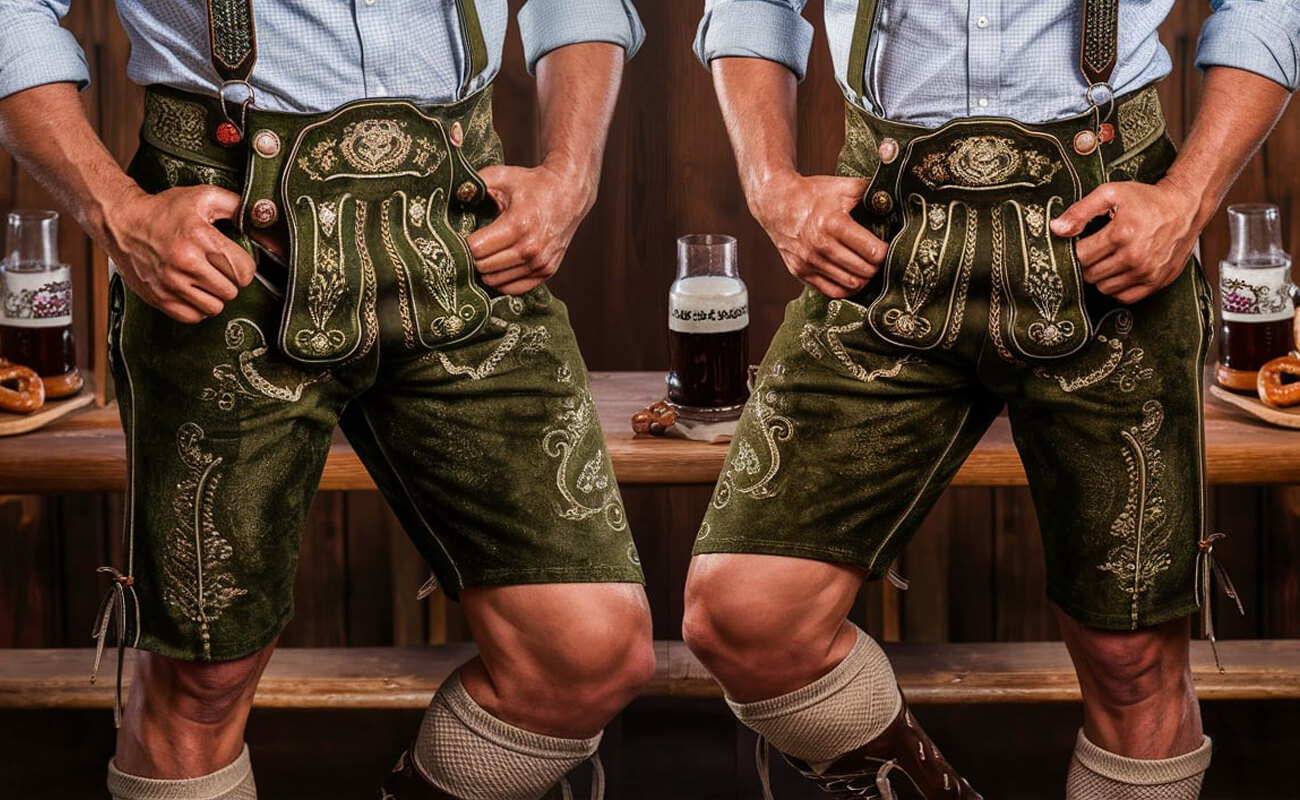
One of the most recognizable features of Lederhosen is the intricate embroidery that adorns the flap (known as the drop front) and sides of the garment. These embroideries are often unique to specific regions within Germany and can showcase symbolic motifs such as edelweiss flowers, acorns, or oak leaves. Additionally, Lederhosen typically features classic suspender straps known as hosenträger that fasten over a button-down shirt or embroidered vest called a Trachtenberg or trachtenweste. This distinctive combination creates a timeless look that sets Lederhosen apart from any other type of attire worldwide.
Also Read: What Does Lederhosen Mean in German?
Despite being originally geared toward practical wear, Lederhosen has transitioned into festive attire commonly seen at events like Oktoberfest. They evoke a sense of nostalgia and tradition while embodying a fashionable statement deeply rooted in German heritage. Today, modern interpretations of Lederhosen continue to pay homage to their historical significance while also being adapted to suit contemporary tastes and trends, ensuring they remain relevant icons in both traditional celebrations and everyday fashion choices across Germany and beyond.
Exploring Bundhosen
Bundhosen, also known as knee-breeches or short trousers, hold a significant place in German traditional attire. Originating in the Alpine region of Bavaria and Tyrol in Austria, Bundhosen were initially worn by mountaineers for practicality during their daily activities. Unlike Lederhosen, Bundhosen is crafted from a heavier fabric like wool and often features intricate embroidery along the waistband and sides, showcasing rich cultural motifs unique to specific regions. The history of Bundhosen dates back to the 18th century when they transitioned from being functional everyday wear to a symbol of regional pride and heritage.
Key characteristics set Bundhosen apart from Lederhosen. While both garments share similar roots, Bundhosen typically has longer legs that reach below the knees, providing more coverage than the shorter Lederhosen. Additionally, unlike Lederhosens’ leather construction, Bundhosens’ woolen fabric offers warmth and durability suitable for cooler mountain climates. The distinct cut of Bundhosen features a drop front flap held up with buttons or ties called ‘Hosenträger,’ further highlighting the intricate craftsmanship and attention to detail that goes into creating these trousers.
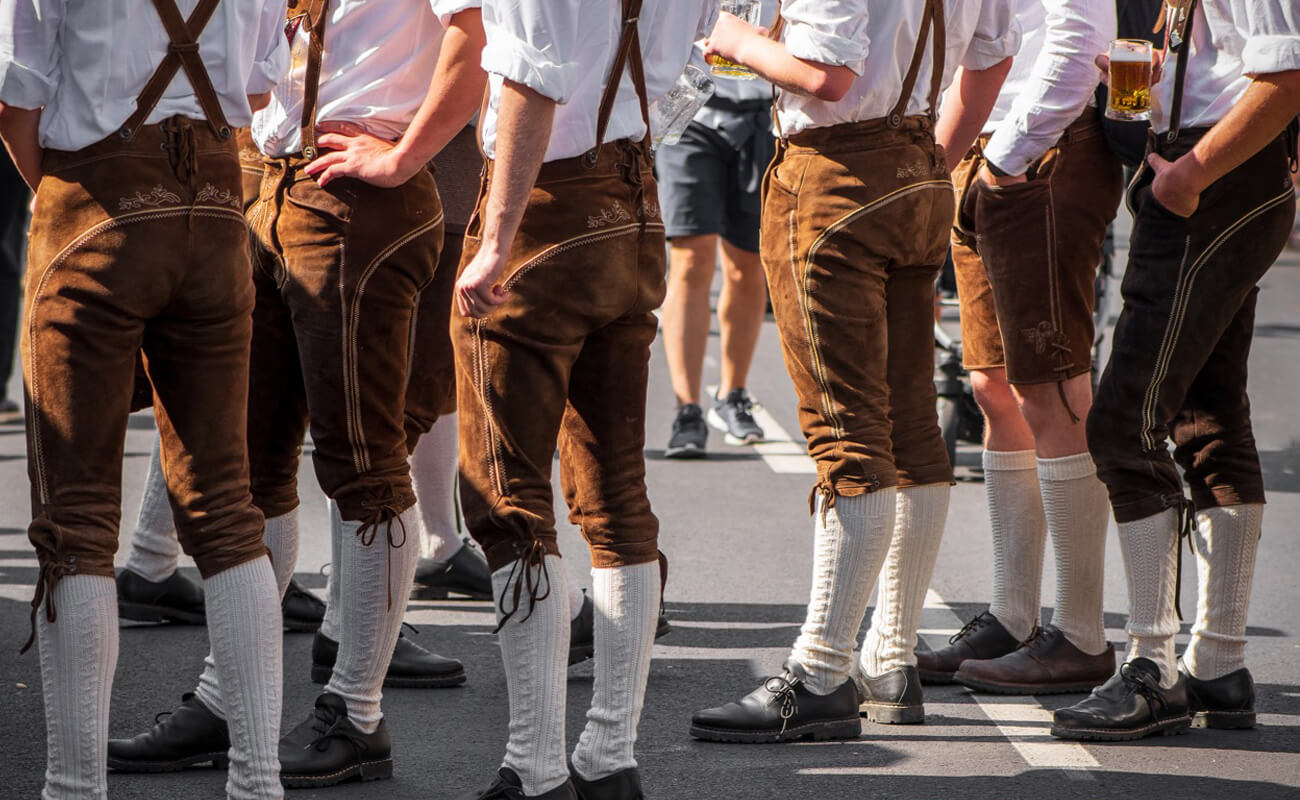
Regional variations play a significant role in shaping the design and wearing styles of Bundhosen. For example, in Allgäu’s southwestern Germany region, an emphasis is placed on bold colors and elaborate embroidery patterns on Bundhosens, reflecting the area’s vibrant cultural heritage. In contrast, in neighboring Austria’s Tyrolean region, Bundhosens feature simpler designs with more earthy tones mirroring the area’s rustic alpine aesthetic. These variations not only add diversity to traditional German attire but also highlight the deep connection between regional identity and the evolution of clothing styles over time.
Fabric and Design Differences
When it comes to fabric, an essential distinction between Lederhosen and Bundhosen lies in the type of leather used. Traditional Lederhosen are typically crafted from fine deer or goat leather known for its durability and softness, making these garments comfortable for extended wear. In contrast, Bundhosen often features a heavier cowhide leather, providing a sturdier feel suitable for everyday work trousers. This variance in leather quality not only impacts the overall look of the garments but also influences their practicality and longevity.
-
Product on sale
 Neuschwanstein Castle LederhosenOriginal price was: $ 299.00.$ 199.00Current price is: $ 199.00.
 -
Product on sale
 Marienplatz LederhosenOriginal price was: $ 299.00.$ 199.00Current price is: $ 199.00.
 -
Product on sale
 Sebastian LederhosenOriginal price was: $ 299.00.$ 199.00Current price is: $ 199.00.
 -
Product on sale
 Max Planck LederhosenOriginal price was: $ 299.00.$ 199.00Current price is: $ 199.00.
 -
Product on sale
 Downey LederhosenOriginal price was: $ 299.00.$ 189.00Current price is: $ 189.00.
 -
Product on sale
 Schiller LederhosenOriginal price was: $ 349.00.$ 199.00Current price is: $ 199.00.
 -
Product on sale
 Hefeweizen LederhosenOriginal price was: $ 399.00.$ 278.00Current price is: $ 278.00.
 -
Product on sale
 Staffelsee Sunset LederhosenOriginal price was: $ 343.00.$ 214.00Current price is: $ 214.00.
 -
Product on sale
 Franconian LederhosenOriginal price was: $ 289.00.$ 199.00Current price is: $ 199.00.
Embroidery styles play a crucial role in setting apart these iconic German garments. Lederhosen are renowned for their intricate embroidery designs, usually showcasing Alpine motifs like edelweiss flowers and oak leaves. The embroidery on Lederhosen tends to be vibrant and detailed, adding flair to the overall aesthetic of the garment. On the other hand, Bundhosen typically features simpler and more understated embroidery patterns, often geometric or floral. These variations in embroidery style reflect the cultural origins and intended uses of each garment.
Checkout: How Tight Should Lederhosen Fit?
Color choices further distinguish traditional Lederhosen from Bundhosen designs. Classic Lederhosen commonly comes in shades of brown or black leather, with colorful embroidery providing pops of brightness against the rich backdrop. In contrast, Bundhosen leans towards earthy tones like gray, green, or blue as primary colors for both the base fabric and embellishments. Understanding these color preferences can help enthusiasts differentiate between the two styles at a glance while also appreciating how regional influences may impact color variations in the contemporary designs of both garments.
Practical Versus Formal Wear
Lederhosen and Bundhosen showcase a transition from their historical practical origins to their modern-day fashion statements. Lederhosen, traditionally worn by German laborers and farmers due to its durable leather construction, has evolved into festive attire synonymous with Oktoberfest celebrations. The switch from workwear to celebratory garb highlights how these garments have transcended their utilitarian beginnings to become cultural symbols of Bavarian traditions. Today, Lederhosen is primarily reserved for special occasions like weddings, festivals, and other joyous events.
-
Product on sale
 Baxxter LederhosenOriginal price was: $ 800.00.$ 399.00Current price is: $ 399.00.
 -
Product on sale
 Lukas BundhosenOriginal price was: $ 500.00.$ 199.00Current price is: $ 199.00.
 -
Product on sale
 Hans BundhosenOriginal price was: $ 400.00.$ 199.00Current price is: $ 199.00.
 -
Product on sale
 Oslo BundhosenOriginal price was: $ 400.00.$ 199.00Current price is: $ 199.00.
 -
Product on sale
 Weber BundhosenOriginal price was: $ 400.00.$ 199.00Current price is: $ 199.00.
 -
Product on sale
 Max BundhosenOriginal price was: $ 400.00.$ 199.00Current price is: $ 199.00.
 -
Product on sale
 Stuttgart Oktoberfest Bavarian BundhosenOriginal price was: $ 500.00.$ 219.00Current price is: $ 219.00.
 -
Product on sale
 Schonsee Bavarian Trachten BundhosenOriginal price was: $ 500.00.$ 219.00Current price is: $ 219.00.
 -
Product on sale
 Redwood Forest Bavarian Classic BundhosenOriginal price was: $ 400.00.$ 219.00Current price is: $ 219.00.
Conversely, Bundhosen has undergone a different transformation over the years. Originally a formal garment favored by aristocrats and the elite for its intricate embroidery and high-quality material, Bundhosen has now been adapted to everyday wear for many Germans. This evolution reflects the shift in societal norms towards more casual attire while still retaining elements of its elegant past. Bundhosen’s versatility allows it to be dressed up or down depending on the occasion, making it suitable for both formal gatherings and casual outings.
When comparing the appropriateness of Lederhosen and Bundhosen for various events, it’s essential to consider their historical contexts and contemporary perceptions. While Lederhosen remains a staple for festive affairs due to its association with cultural festivities like Oktoberfest, Bundhosen offers a refined yet relaxed alternative that can seamlessly transition from daytime activities to evening functions. Understanding the nuanced differences in how these garments have evolved from practical wear to formal attire provides insight into their significance in modern German culture as versatile pieces that bridge tradition with contemporary style trends.
Cultural Significance at Oktoberfest
When delving into the cultural significance of Lederhosen and Bundhosen, it’s impossible to overlook their deep-rooted connection with Oktoberfest. The world-renowned festival held annually in Munich, Germany, is a celebration of Bavarian culture where traditional attire plays a prominent role. Lederhosen is overwhelmingly favored during Oktoberfest, symbolizing a nod to heritage and authenticity. These leather shorts are not only fashionable but also serve as a sartorial emblem of Germanic pride and tradition. It is common to see both locals and tourists alike adorning intricately embroidered Lederhosen while raising their steins in the festivity.
However, there are specific occasions within modern German culture where Bundhosen takes precedence over Lederhosen. Bundhosen, which are trousers supported by shoulder straps instead of shorts like Lederhosen, are considered more formal and are often worn for special events or ceremonies. For instance, at weddings or elegant gatherings where a touch of sophistication is required along with traditional flair, Bundhosen may be preferred over the shorter Lederhosen. The versatility of Bundhosen allows them to seamlessly transition from casual to semi-formal settings, marking them as a staple in contemporary German wardrobe choices beyond just Oktoberfest revelries.
In recent years, there has been an emergence of themed events that cater to individuals looking to showcase different facets of their cultural identity through attire choices beyond conventional norms. Consequently, while Lederhosen remains synonymous with Oktoberfest festivities globally, Bundhosens have found renewed interest among those seeking fashion-forward yet traditionally inspired options for various celebrations. This shift highlights how both garments continue to evolve in relevance and appeal within modern German culture, showcasing the dynamic interplay between traditionalism and contemporary style preferences among enthusiasts and participants alike.
Exploring Modern Interpretations
As German culture continues to evolve, modern interpretations of traditional garments like Lederhosen and Bundhosen have emerged. In various regions and events across Germany, contemporary adaptations add a fresh twist to these classic styles. From unique embroidery patterns to innovative fabric choices, designers and wearers are finding new ways to celebrate the rich history and cultural significance of these iconic German garments.
Whether it’s a playful variation for a local festival or a stylish update for a modern Oktoberfest celebration, the blending of tradition with innovation showcases how Lederhosen and Bundhosen remain relevant symbols of German heritage. As fashion trends come and go, these timeless pieces continue to hold a special place in German culture, bridging the gap between the past and the present for generations to come.
FAQs:
1. What are Lederhosen?
Answer: Lederhosen are traditional Bavarian short pants made from leather. Typically worn by men, they are characterized by their knee-length cut, sturdy construction, and decorative embroidery. Lederhosen is a popular attire at festivals like Oktoberfest and are often paired with traditional shirts, suspenders, and knee-high socks.
2. What are Bundhosen?
Answer: Bundhosen are similar to Lederhosen but are longer, typically reaching just below the knee or to mid-calf. Like Lederhosen, they are made from leather and feature decorative elements. Bundhosen offers a bit more coverage and is a traditional alternative to Lederhosen for various occasions and outdoor activities.
3. What materials are used to make Lederhosen and Bundhosen?
Answer: Both Lederhosen and Bundhosen are made from leather, usually from cowhide, goatskin, or deer hide. The choice of leather affects the softness, durability, and appearance of the garments. High-quality pieces are often crafted from deer hide due to its softness and flexibility.
4. How are Lederhosen and Bundhosen traditionally decorated?
Answer: Traditional decorations include embroidery, often in patterns of flowers, leaves, and animals, which are stitched onto the leather. Additionally, metal buttons, buckles, and sometimes engraved motifs are used to enhance the garments’ aesthetic appeal.
5. What occasions are Lederhosen and Bundhosen typically worn for?
Answer: Lederhosen and Bundhosen are traditionally worn during Bavarian cultural events, such as Oktoberfest, local festivals, weddings, and other celebrations. They are also used in folk dances and by musicians in traditional Bavarian bands. Additionally, these garments are sometimes worn for hiking and other outdoor activities due to their durability.
6. How should one care for Lederhosen and Bundhosen?
Answer: Proper care includes avoiding machine washing and instead opting for spot cleaning with a damp cloth. Leather conditioners can be used to maintain suppleness. It’s also essential to store these garments in a dry, cool place to prevent mold and mildew.
7. Are Lederhosen and Bundhosen worn by both men and women?
Answer: Traditionally, Lederhosen were primarily worn by men, but in recent times, women have also adopted this attire, often opting for tailored versions. Bundhosen is less commonly seen in women but can also be worn by those seeking a traditional look with more coverage.
8. Can Lederhosen and Bundhosen be customized?
Answer: Yes, many artisans and tailors offer customization options for both Lederhosen and Bundhosen, allowing for personalized embroidery, fit adjustments, and choice of leather. Custom pieces can reflect personal style or family heritage.
9. How do the fits of Lederhosen and Bundhosen differ?
Answer: Lederhosen generally has a snug fit around the waist and thighs, ending above or at the knee. Bundhosen fit similarly around the waist and thighs but extend below the knee, offering a bit more room and coverage. Both styles are designed to be comfortable and durable for active wear.
10. What historical significance do Lederhosen and Bundhosen hold?
Answer: Lederhosen and Bundhosen have deep roots in Bavarian culture, historically worn by peasants and workers for their practicality and durability. Over time, they became symbols of regional pride and tradition, evolving into the iconic garments celebrated today at cultural festivals and events.


