
What Does Lederhosen Mean in German?

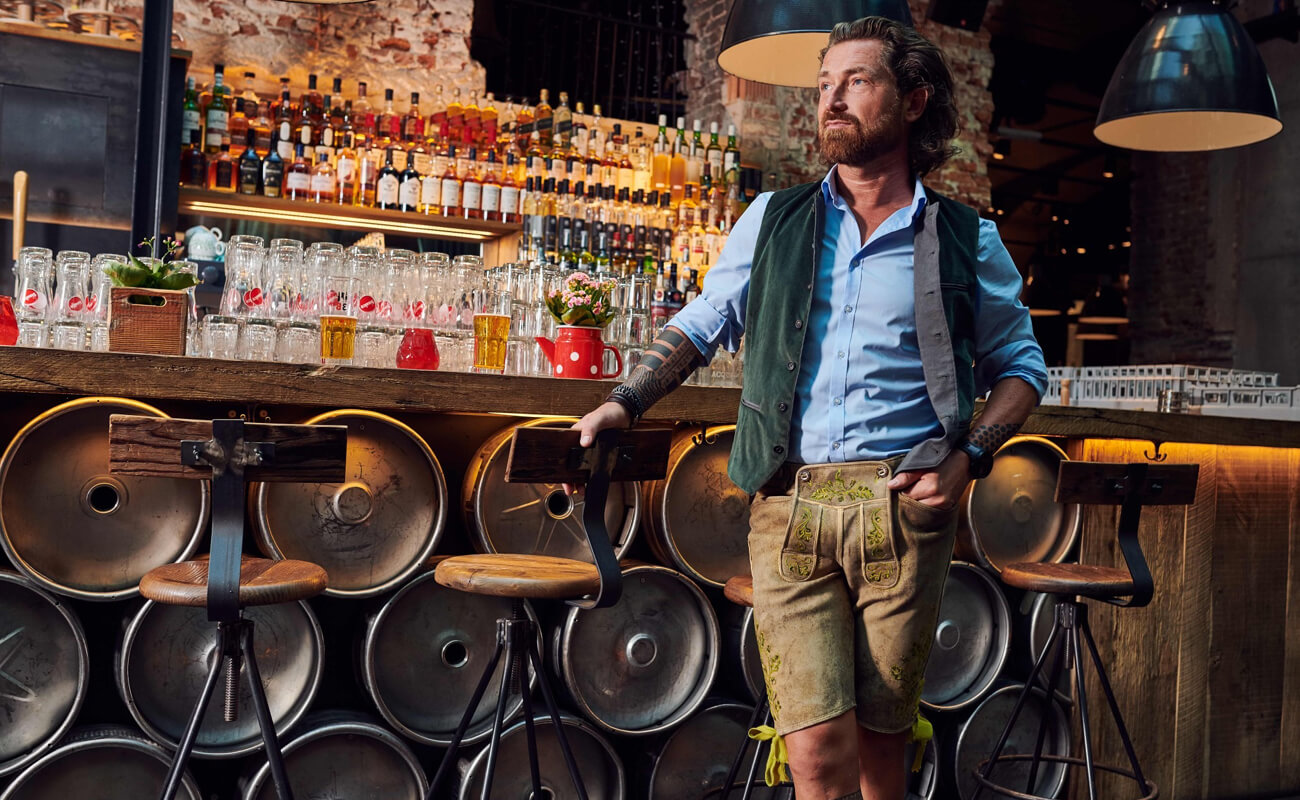
5 Unique Meanings of Lederhosen in German Culture
In the intricate tapestry of German culture, lederhosen emerges as a striking thread weaving through history, tradition, and style. Beyond being mere attire, these leather breeches carry layers of meaning unique to the Germanic landscape. From humble beginnings in the 18th century to their contemporary allure, lederhosen has transformed from utilitarian wear to a symbol of Bavarian pride and beyond.
Rooted in heritage and crafted with precision, lederhosen represent more than just clothing; they encapsulate a cultural identity transcending time. As we delve into the rich tapestry of German folklore and festivities, we discover how lederhosen become synonymous with lively folk dances like Schuhplattler and find their place center stage during raucous Oktoberfest celebrations. But this iconic garment doesn’t stop at tradition; it evolves dynamically, driving fashion trends and challenging stereotypes while echoing whispers of masculinity ingrained in its very seams. Join us to uncover the seven unique meanings woven into the fabric of lederhosen in German culture – where tradition meets modernity in an intricate dance of history and style. Continue exploring to unravel the layers beneath this timeless emblem.
Lederhosen as Traditional Bavarian Attire
Lederhosen holds a significant position as traditional Bavarian attire, deeply intertwined with the region’s rich heritage and cultural identity. In Bavaria, wearing lederhosen is not merely a fashion choice but a symbol of pride in local traditions. These leather shorts are often adorned with elaborate embroidery and intricate details, showcasing the craftsmanship and attention to detail that goes into creating each pair. The leather used for authentic lederhosen is of premium quality, reflecting the commitment to preserving age-old traditions in every stitch.
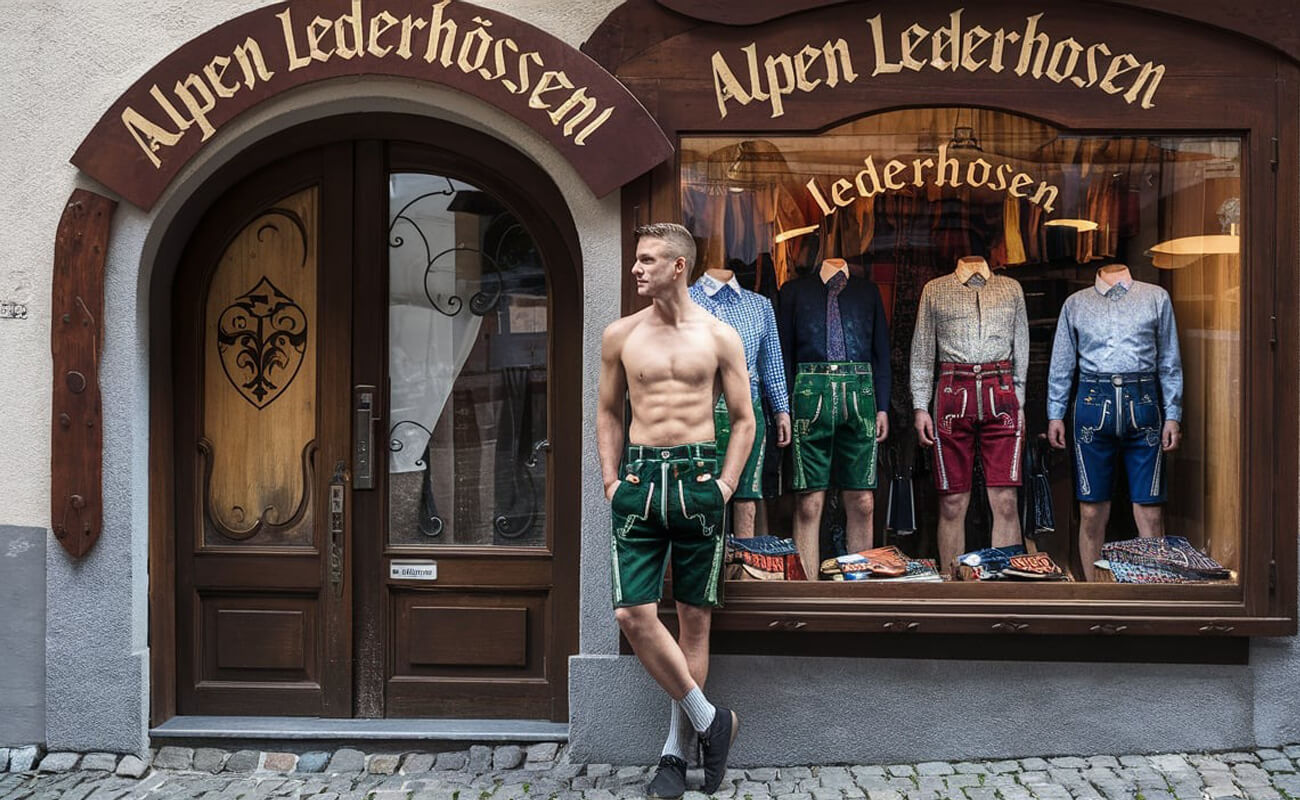
During various events and festivals in Bavaria, such as Oktoberfest or folk celebrations, lederhosen takes center stage as a symbol of loyalty to Bavarian customs. Men proudly don their traditional attire, pairing it with accessories like suspenders and shirts embellished with regional motifs. The sight of locals and visitors alike sporting these garments adds to the vibrant atmosphere of the festivities, underscoring the unity and sense of community fostered by shared cultural practices.
Also Read: How Tight Should Lederhosen Fit?
The tradition of wearing lederhosen at events goes beyond mere spectacle; it serves as a poignant reminder of the region’s strong ties to its history and customs. Whether worn by dancers performing intricate folk dances like Schuhplattler or by attendees raising a stein at Oktoberfest, lederhosen encapsulates the essence of Bavarian culture. Through these festivities, the craftsmanship, artistry, and heritage embodied in each pair of lederhosen are celebrated and honored, further cementing their role as cherished symbols of Bavarian tradition.
Symbolism of Lederhosen in Folklore and Festivities
Lederhosen plays a vital role in traditional German folklore and festivities, particularly in dances like the Schuhplattler. This lively dance, originating from Bavaria, involves intricate footwork, clapping, and slapping thighs – movements that showcase the agility and spirit of the dancers. Lederhosen worn during these performances symbolizes not only authenticity but also a deep connection to the region’s history and cultural traditions. The earthy tones of the leather pants complemented by embroidered suspenders evoke a sense of pride in Bavarian heritage that is central to these dances.
When it comes to Oktoberfest celebrations, lederhosen takes center stage as a symbol of conviviality and camaraderie. During this world-renowned festival, locals and visitors alike don traditional attire like lederhosen to partake in merrymaking while enjoying copious amounts of beer and traditional Bavarian cuisine. The sight of rows of people clad in varying styles of lederhosen adds to the festive ambiance, creating an atmosphere where joyous revelry meets cultural reverence.
The intertwining of lederhosen with beer culture speaks volumes about their significance in German folklore. Beyond being mere garments, lederhosen embody elements of conviviality, tradition, and communal celebration that are deeply rooted in German society. Whether raising a stein at Oktoberfest or participating in a lively folk dance wearing lederhosen, these leather pants serve as tangible expressions of German identity and cultural vibrancy intertwined with age-old beliefs and customs handed down through generations. The connection between these sturdy trousers, beer culture, and enduring folklore acts as a link between traditions and modern-day festivities where old customs find new life amidst enthusiastic revelers donning their beloved lederhosen.
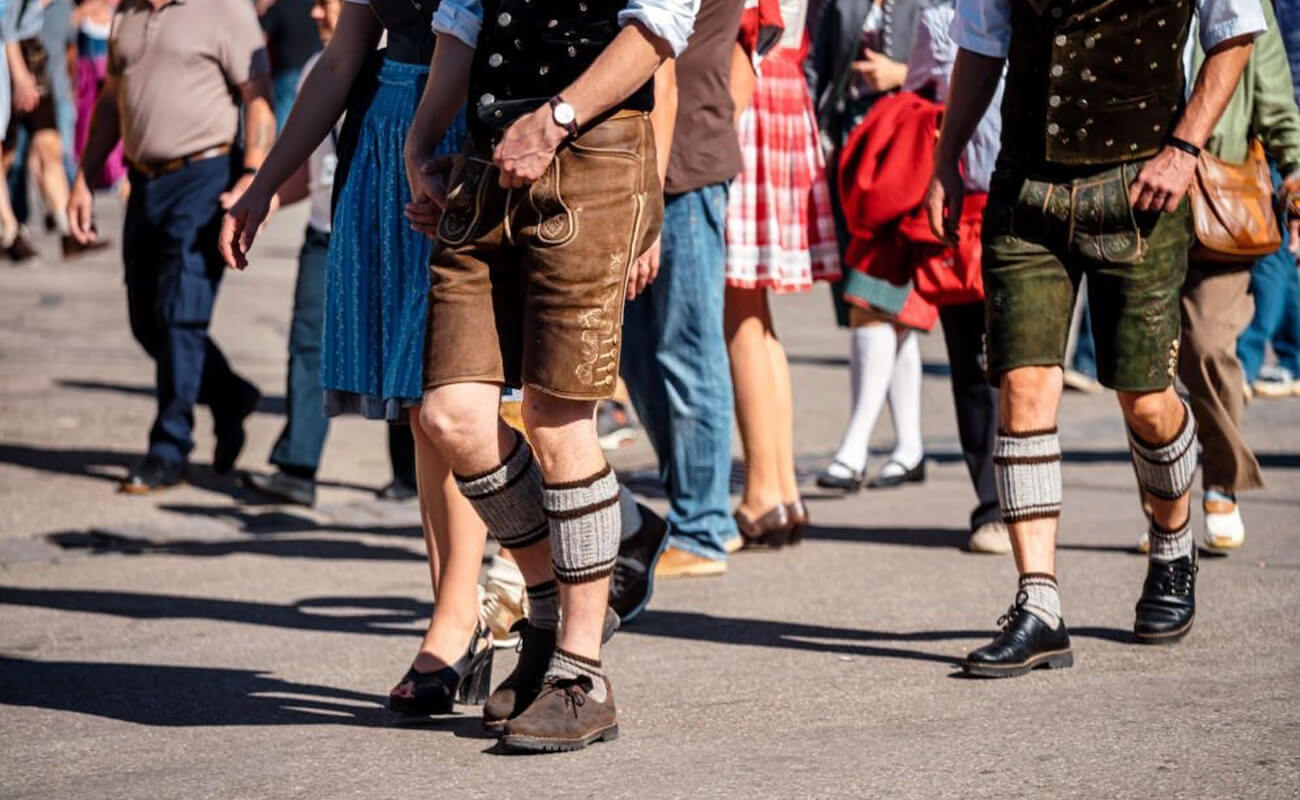
Lederhosen have not only retained their traditional significance but have also undergone a fascinating transformation into a global fashion trend. In the fashion industry, modern interpretations of lederhosen have taken the classic attire to new heights, blending traditional craftsmanship with contemporary styles. Designers and influencers alike have played a significant role in popularizing lederhosen on the global stage.
Celebrities donning these iconic leather shorts at red carpet events or during casual outings have helped elevate lederhosen from regional attire to international fashion statement. The likes of Justin Bieber and Harry Styles sporting sleek versions of Lederhosen have undoubtedly contributed to its renewed popularity among younger audiences worldwide.
Checkout: What Are Lederhosen Pockets For?
Contemporary designs of lederhosen now cater to a broader audience, adapting the garment for everyday wear beyond its traditional roots. From runway shows featuring avant-garde interpretations to high-street brands incorporating elements of lederhosen into their collections, the once niche piece has seamlessly integrated into mainstream fashion. This evolution showcases how an age-old attire can transcend cultural boundaries and become a symbol of style and sophistication in today’s fashion landscape.
Historical Significance of Lederhosen
Dating back to the 18th century, lederhosen originally served as sturdy workwear for peasants and laborers in the Alpine regions of Germany. Crafted from durable leather, these knee-length breeches protected the rugged terrain and harsh weather conditions. Over time, lederhosen transformed, evolving from utilitarian clothing to a symbol of leisure and traditional wear. This shift in purpose highlights how societal changes influenced the perception and significance of lederhosen within German culture.
The evolution of lederhosen into a fashionable garment for leisure activities reflects the cultural shifts that took place in German society over the years. As industrialization brought about changes in lifestyle and attire preferences, lederhosen began to be associated more with cultural heritage and regional identity rather than just practicality. The revival of folk traditions and interest in local customs during the Romantic era further solidified Lederhosen’s role as a symbol of Bavarian pride and craftsmanship. This transition from workwear to a cherished cultural emblem demonstrates how historical contexts shaped the trajectory of lederhosen in German fashion history.
Furthermore, the prominence of lederhosen within German society was greatly influenced by its integration into national events, such as Oktoberfest. This world-renowned festival not only celebrates Bavarian culture but also showcases lederhosen as an iconic representation of German tradition. The widespread popularity of Oktoberfest has significantly contributed to elevating the status of lederhosen beyond regional boundaries, making it a recognizable symbol of German identity worldwide. Thus, through its historical evolution from humble beginnings to a celebrated cultural artifact, lederhosen embodies layers of significance that reflect both historical roots and contemporary influences within German culture.
Regional Variations and Styles of Lederhosen
Lederhosen, while widely associated with Bavaria, has diverse regional variations across Germany and even in neighboring countries like Austria. The Alpine-style of Lederhosen is recognizable for its intricate embroidery and decorative stitching, reflecting the rich craftsmanship of the Alpine region. In contrast, Swabian lederhosen is characterized by simpler designs with a focus on functionality, echoing the practical approach of the Swabian culture. These distinctions highlight how local traditions influence the design elements of this traditional garment.
-
Product on sale
 Neuschwanstein Castle LederhosenOriginal price was: $ 299.00.$ 199.00Current price is: $ 199.00.
 -
Product on sale
 Marienplatz LederhosenOriginal price was: $ 299.00.$ 199.00Current price is: $ 199.00.
 -
Product on sale
 Sebastian LederhosenOriginal price was: $ 299.00.$ 199.00Current price is: $ 199.00.
 -
Product on sale
 Max Planck LederhosenOriginal price was: $ 299.00.$ 199.00Current price is: $ 199.00.
 -
Product on sale
 Downey LederhosenOriginal price was: $ 299.00.$ 189.00Current price is: $ 189.00.
 -
Product on sale
 Schiller LederhosenOriginal price was: $ 349.00.$ 199.00Current price is: $ 199.00.
 -
Product on sale
 Hefeweizen LederhosenOriginal price was: $ 399.00.$ 278.00Current price is: $ 278.00.
 -
Product on sale
 Staffelsee Sunset LederhosenOriginal price was: $ 343.00.$ 214.00Current price is: $ 214.00.
 -
Product on sale
 Franconian LederhosenOriginal price was: $ 289.00.$ 199.00Current price is: $ 199.00.
In Austria, lederhosen features unique embellishments such as hand-stitched patterns or distinctive button designs that showcase the country’s flair. Moreover, the length and cut of lederhosen can vary from region to region, with some styles featuring shorter lengths for more mobility during active pursuits like dancing or hiking. These different regional interpretations not only demonstrate local customs but also underline the pride and identity attached to specific areas within Germany and beyond.
Beyond design variations, each style of lederhosen reflects the cultural heritage and values of its respective region. From the ornate detailing of Alpine lederhosen symbolizing a reverence for tradition to the utilitarian aspects of Swabian versions embodying practicality and simplicity, these garments serve as tangible expressions of regional identity. Understanding these distinctions provides insight into how clothing can encapsulate centuries-old customs and beliefs while evolving with contemporary fashion trends to preserve cultural heritage in a dynamic world.
Unveiling Modern Perspectives on Lederhosen and Masculinity
From beer gardens to high-fashion runways, lederhosen has transcended its traditional roots to become a symbol of modern masculinity. While historically associated with ruggedness and strength, contemporary interpretations of lederhosen challenge gender norms and stereotypes. By embracing diverse styles, colors, and designs, individuals are redefining what it means to embody masculinity through clothing.
The evolution of lederhosen from functional workwear to a fashion statement highlights society’s changing attitudes towards gender roles. By donning this iconic garment in new and innovative ways, individuals are not only honoring history but also reshaping perceptions of masculinity for the future. As we explore the rich tapestry of meanings woven into lederhosen within German culture, it becomes evident that this attire holds far more significance than meets the eye. In embracing both tradition and progress, lederhosen continues to be a vibrant reflection of the ever-evolving landscape of German identity.


