

Blog
What Are The Cultural Origins Of Frühlingsfest?


Frühlingsfest, often referred to as the “little sister” of Oktoberfest, is one of the most anticipated springtime festivals in Germany. Marking the arrival of spring, this event brings together elements of culture, tradition, and community that have deep roots in Germanic history. Held in cities such as Munich and Stuttgart, Frühlingsfest is a celebration of renewal, fertility, and the end of winter’s long reign. It combines the joy of beer gardens, traditional Bavarian music, colorful attire, and agricultural roots in a way that highlights the importance of spring festivals within German culture.
Overview of Frühlingsfest
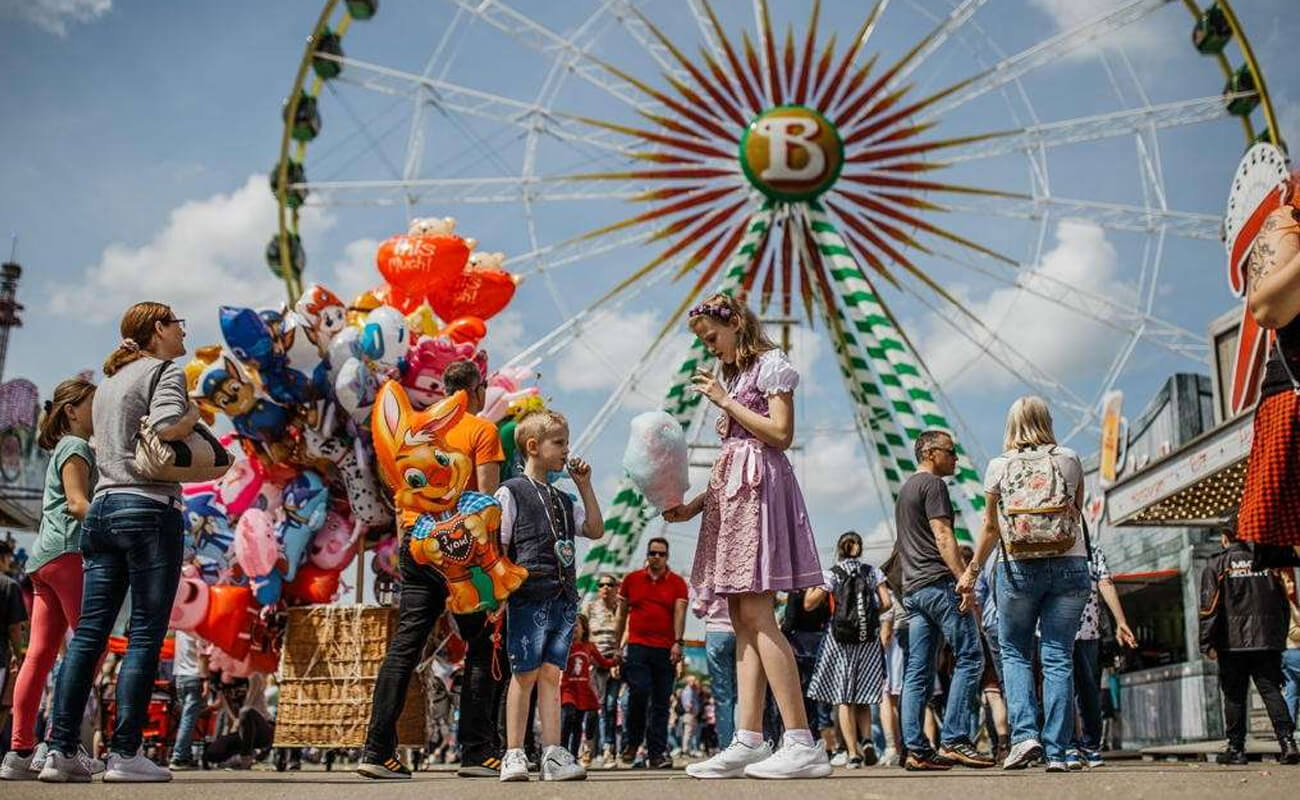
Frühlingsfest, which translates to “Spring Festival,” is an integral part of the German calendar. This event not only celebrates the renewal of nature after winter but also brings together communities for food, drink, and entertainment. It shares many similarities with the more famous Oktoberfest, but while Oktoberfest marks the end of the harvest season, Frühlingsfest welcomes the coming of warmer weather. The festival typically features beer tents, amusement rides, and traditional German foods, along with live performances of Bavarian folk music.
Frühlingsfest in Modern Germany
Frühlingsfest has evolved into a modern celebration that attracts visitors from all over the world. What was once a localized event tied to agricultural cycles has grown into a major attraction, with large crowds gathering to celebrate in cities like Munich, Stuttgart, and beyond. Though the heart of the festival remains deeply traditional, modern elements such as international visitors, contemporary fashion adaptations of Lederhosen and Dirndl, and technological innovations in event planning have become part of the experience.
Importance of Spring Festivals in German Culture
Spring festivals have long held a place of significance in German culture. In a country where agriculture historically formed the backbone of the economy, the coming of spring signaled the end of harsh winters and the beginning of a season of growth and renewal. Celebrating spring is deeply symbolic of life, fertility, and prosperity, with festivals like Frühlingsfest becoming an annual reminder of nature’s cycles. The German people have long associated spring with hope, making these festivals moments of both communal gathering and personal reflection.
Cultural Origins of Frühlingsfest
The cultural roots of Frühlingsfest go back centuries and are steeped in ancient traditions that predate the formation of modern Germany.
Historical Roots of Spring Festivals in Europe
Across Europe, the arrival of spring has historically been met with celebration. Pagan tribes would hold festivals to honor the gods responsible for nature’s cycles, thanking them for the end of winter and praying for a fruitful harvest. Germanic tribes were no exception, with spring festivals being a major part of their religious calendar.
Early Pagan Celebrations of Spring in Germanic Tribes
Pagan Germanic tribes celebrated the coming of spring with rituals that honored deities of fertility and growth, such as Freyr and Ostara. These festivals were characterized by bonfires, feasting, and communal gatherings, many of which have carried over into modern celebrations like Frühlingsfest.
The Connection Between Frühlingsfest and Pre-Christian Traditions
Many of the traditions seen at Frühlingsfest can be traced back to pre-Christian rites of spring. The importance of fertility and renewal remains central to the celebration, as does the symbolic transition from winter to spring. The use of flowers, dancing, and other rituals also hints at these ancient customs.
The Influence of Roman and Celtic Rituals on Frühlingsfest
Roman and Celtic influence can also be seen in the celebration of spring in Germany. The Roman festival of Floralia, for example, celebrated flowers and fertility, which aligns with some of the symbolism found in Frühlingsfest. Celtic traditions such as Beltane, a festival celebrating the beginning of summer, also influenced how spring was celebrated in ancient Europe.
Evolution of Spring Celebrations Through the Middle Ages
Influence of Christianity on the Celebration of Spring
With the rise of Christianity, many pagan traditions were incorporated into Christian celebrations. Festivals that once honored nature gods were adapted to fit Christian teachings, often aligning with Easter, which itself is a celebration of resurrection and renewal. The blending of these traditions helped shape what we now know as Frühlingsfest.
Early Modern Era: Transition from Religious to Secular Celebrations
As Europe moved through the Renaissance and Reformation, spring festivals began to lose their strictly religious significance and became more secular. While church holidays like Easter remained important, community festivals celebrating the coming of spring became more about local traditions, agriculture, and social gatherings.
Industrialization and the Rise of Urban Festivals
With the advent of industrialization in the 19th century, many people moved from rural areas to cities. This shift led to a transformation in how festivals like Frühlingsfest were celebrated. Urban centers began to host large-scale festivals that brought together people from various regions, each contributing their own traditions to the event.
Frühlingsfest as a Celebration of Agricultural Cycles
At its core, Frühlingsfest remains a celebration of the agricultural cycles that have shaped Germany for centuries. Farmers still see the event as a way to honor the beginning of the planting season, even as the festival itself has become more urban and commercialized.
The Development of Frühlingsfest in Bavaria
Bavaria: Heart of German Cultural Traditions
Bavaria, with its rich cultural traditions, plays a central role in the celebration of Frühlingsfest. Known for its deep connection to German folklore, agriculture, and religious customs, Bavaria has long been a focal point for spring festivals. The region’s agricultural heritage, combined with its vibrant cultural identity, makes it the perfect place to celebrate the coming of spring.
The Role of Agriculture in Early Bavarian Spring Festivals
In early Bavarian society, the arrival of spring was critical for farmers, who relied on the season for planting crops. Early spring festivals often revolved around agricultural rituals, with communities coming together to celebrate the fertility of the land. These festivals would feature dances, prayers for a good harvest, and feasts made from the previous year’s crops.
Munich’s Frühlingsfest: Origins and Evolution
Munich is home to one of the most famous Frühlingsfest celebrations. First held in the 1960s, the Munich Spring Festival was created to mirror Oktoberfest, but on a smaller scale. Over the decades, it has grown into a beloved tradition, featuring beer tents, amusement rides, and cultural performances that celebrate Bavarian life.
The Connection Between Frühlingsfest and Oktoberfest
Oktoberfest, held in the fall, is closely related to Frühlingsfest. Both festivals celebrate Bavarian culture and traditions, but where Oktoberfest marks the end of the harvest, Frühlingsfest is all about renewal and the promise of a new agricultural season. Many of the same customs and symbols are present in both events, including traditional clothing, music, and beer consumption.
Frühlingsfest in Other German Cities and Regions
Though Frühlingsfest is most closely associated with Munich, similar festivals are held in other cities across Germany. Stuttgart, for example, hosts a popular Frühlingsfest that attracts thousands of visitors. Each region brings its own unique traditions to the festival, making Frühlingsfest a national celebration of spring.
Frühlingsfest and the Tradition of Renewal
Symbolism of Spring in German Folklore
Spring is a time of renewal in many cultures, and this is especially true in German folklore. Stories and legends often speak of the triumph of life over death, with characters representing fertility, growth, and the awakening of the earth. The symbolism of renewal can be seen throughout Frühlingsfest, from the decorations to the customs observed.
The Importance of Renewal and Fertility
At the heart of Frühlingsfest is the celebration of fertility, both in the land and in life. The end of winter and the return of warmer weather bring with them the promise of growth and abundance. Frühlingsfest celebrates this natural cycle, reminding attendees of the importance of fertility in both agricultural and human life.
The Role of Flowers, Maypoles, and Nature in the Festival
Frühlingsfest is filled with symbols of spring, such as flowers, which represent the blooming of life after winter. Maypoles, often seen at spring festivals, symbolize growth and fertility and are usually decorated with flowers and ribbons. The prominence of nature in the festival serves as a reminder of the connection between humans and the natural world.
The Transition from Winter to Spring in German Culture
Winter is often seen as a time of hardship, while spring is a time of celebration. In German culture, the transition from winter to spring is marked by festivals that celebrate the end of darkness and the return of light. This transition is central to the meaning of Frühlingsfest, which serves as a joyful acknowledgment of the changing seasons.
The Celebration of Life, Fertility, and Prosperity
Frühlingsfest is not just a celebration of spring, but also of life itself. The festival is a time for communities to come together, celebrate their shared traditions, and look forward to a prosperous future. Fertility, both of the land and of the people, is a major theme, with rituals and symbols that celebrate the continuation of life.
Why Do People Celebrate Frühlingsfest?
Historical Reasons for Celebrating Frühlingsfest
Historically, Frühlingsfest has been celebrated to mark the beginning of the planting season. Farmers would pray for good weather and a bountiful harvest, while the rest of the community would join in to celebrate the end of winter.
Connection to Agricultural Cycles
Frühlingsfest remains deeply connected to the agricultural cycles that have shaped German society for centuries. Though the festival has evolved over time, its origins as a celebration of renewal and fertility remain central to its meaning.
Modern Reasons for Attending Frühlingsfest
Today, people attend Frühlingsfest for a variety of reasons. For some, it is a way to connect with their cultural heritage, while others are drawn to the festival for the beer, food, and entertainment. The event has become a major tourist attraction, with visitors from around the world coming to experience Bavarian culture.
Frühlingsfest as a Cultural Identity
Frühlingsfest is more than just a festival; it is a celebration of Bavarian and German identity. The traditions observed during the event, from the clothing to the music, are an important part of the region’s cultural heritage.
Celebration of Local Traditions and Unity
Frühlingsfest brings together communities, fostering a sense of unity and shared identity. The festival is a time for locals to celebrate their traditions and connect with one another, strengthening community ties.
The Impact of Frühlingsfest on Community Spirit
Frühlingsfest plays an important role in maintaining community spirit. The festival brings people together, offering a chance for families and friends to spend time with one another, and for communities to come together to celebrate their shared culture.
What People Wear to Frühlingsfest?
Traditional Clothing Worn at Frühlingsfest
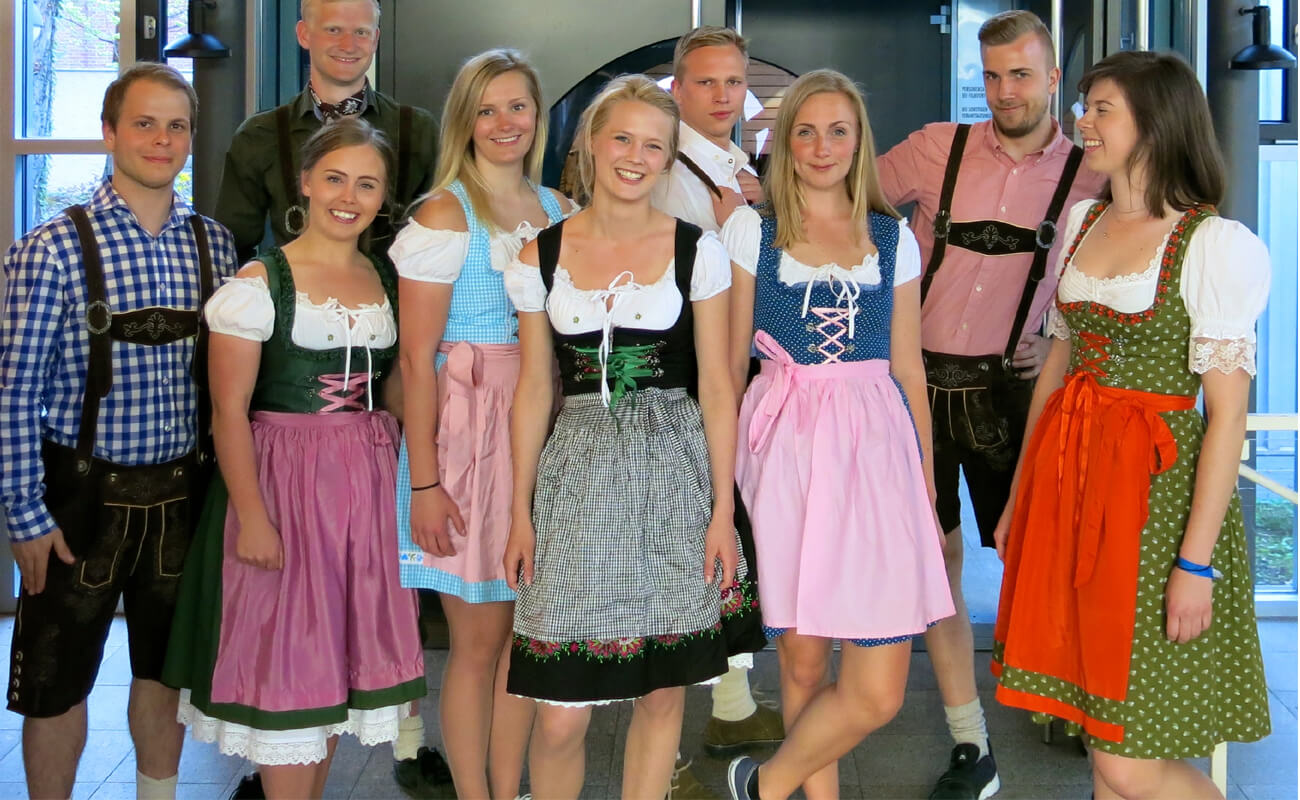
At Frühlingsfest, traditional Bavarian clothing is a key part of the celebration. Both men and women wear outfits that reflect the region’s cultural heritage, with Lederhosen and Dirndl being the most common attire.
Lederhosen and Dirndl: Their Historical Significance
Lederhosen and Dirndl have long been associated with Bavarian life. Lederhosen were originally worn by farmers and laborers, while the Dirndl was a common garment for women working in rural areas. Over time, these items of clothing became symbols of Bavarian pride and tradition.
Why Lederhosen and Dirndl Became Standard Festival Attire
The adoption of Lederhosen and Dirndl as festival attire began in the 19th century, as part of a broader movement to celebrate Bavarian culture. Today, these garments are an essential part of the Frühlingsfest experience, worn by locals and tourists alike.
Regional Variations in Clothing at Frühlingsfest
While Lederhosen and Dirndl are the most common forms of attire, there are regional variations in how they are worn. Different regions of Germany have their own styles and customs when it comes to traditional clothing, and these variations can be seen at Frühlingsfest.
The Symbolism Behind Traditional Bavarian Attire
Traditional Bavarian clothing is rich in symbolism. The colors, patterns, and materials used in Lederhosen and Dirndl often have specific meanings, reflecting the wearer’s social status, regional identity, or even their marital status.
Modern Adaptations of Traditional Clothing
In recent years, there has been a trend towards modernizing traditional Bavarian clothing. Designers have begun to incorporate contemporary elements into Lederhosen and Dirndl, creating outfits that blend tradition with modern fashion.
How Clothing Reflects Social Status and Identity
At Frühlingsfest, clothing is not just about tradition; it is also a way to express identity. The way people dress can reflect their social status, their connection to Bavarian culture, and their personal style.
Men’s Attire at Frühlingsfest
The Origin and Evolution of Lederhosen
Lederhosen Men have a long history in Bavaria, dating back to the 18th century. Originally worn by working-class men, they were prized for their durability and practicality. Over time, they became a symbol of Bavarian culture and are now a key part of festival attire.
The Materials Used in Traditional Lederhosen
Lederhosen are traditionally made from leather, with deerskin being the most prized material. The leather is durable and flexible, making it ideal for workwear. Today, Lederhosen are often embellished with embroidery and other decorations, making them a fashionable as well as practical choice.
Lederhosen Styles: Short, Knee-Length, and Long
There are several different styles of Lederhosen, ranging from short to knee-length to long. Each style has its own significance, with shorter Lederhosen being more casual and long Lederhosen being reserved for more formal occasions.
The Role of Accessories: Hats, Socks (Loferl), and Shoes
Accessories are an important part of men’s attire at Frühlingsfest. Traditional Bavarian hats, known as Trachtenhüte, are often worn, as are knee-high socks known as Loferl. Leather shoes complete the outfit, making for a stylish yet traditional look.
Regional Variations in Men’s Attire Across Germany
As with women’s clothing, there are regional variations in men’s attire at Frühlingsfest. Different regions have their own styles of Lederhosen, as well as different customs when it comes to accessories and embroidery.
The Significance of Embroidery and Detailing on Lederhosen
Embroidery and detailing are an important part of Lederhosen, with each design carrying its own meaning. These decorations often reflect regional pride, family heritage, or personal achievement, making them a key part of Bavarian culture.
Modern Trends: Mixing Tradition with Contemporary Fashion
In recent years, there has been a trend towards modernizing traditional Lederhosen. Designers have begun to incorporate contemporary elements into the outfits, creating styles that are both fashionable and traditional.
Women’s Attire at Frühlingsfest
The History of the Dirndl Dress
The Women Dirndl dress has its origins in rural Bavaria, where it was worn by women working on farms. Over time, it became a symbol of Bavarian culture, and today it is a key part of festival attire.
The Evolution of Dirndls from Farm Wear to Festive Attire
While the Dirndl was originally a practical garment, it has evolved into a stylish and festive outfit. Modern Dirndls are often made from high-quality fabrics and feature intricate designs, making them both beautiful and functional.
How Women Personalize Their Dirndl for Frühlingsfest
One of the unique aspects of the Dirndl is the way women personalize their outfits for Frühlingsfest. Many women choose to accessorize their Dirndl with jewelry, shawls, and other items, making each outfit a reflection of the wearer’s personal style.
The Importance of Aprons and Bodices in Dirndl Fashion
The apron and bodice are key components of the Dirndl dress. The way the apron is tied can indicate a woman’s marital status, while the bodice provides structure and support, creating a flattering silhouette.
The Role of Accessories: Jewelry, Shawls, and Shoes
Accessories play an important role in women’s attire at Frühlingsfest. Many women choose to wear traditional jewelry, such as silver necklaces or earrings, while shawls and shoes complete the look.
Hairstyles and Headgear Worn at Frühlingsfest
Hairstyles are an important part of women’s attire at Frühlingsfest, with many women choosing to wear their hair in braids or other traditional styles. Headgear, such as floral crowns or hats, is also a common accessory.
Modern Adaptations of the Dirndl in the 21st Century
As with Lederhosen, there has been a trend towards modernizing the Dirndl in recent years. Designers have begun to experiment with new fabrics, colors, and styles, creating Dirndls that are both fashionable and traditional.
The Meaning Behind the Dirndl’s Bow Placement
The placement of the bow on a Dirndl apron is an important part of the outfit. It can indicate a woman’s marital status, with the bow tied on the left meaning she is single, and the bow tied on the right meaning she is married.
The Symbolism of Colors and Patterns in Festival Attire
The Importance of Colors in Traditional Bavarian Clothing
Colors play an important role in traditional Bavarian clothing. Different colors can have different meanings, with some colors being associated with specific regions or social statuses.
Floral Patterns and Their Connection to Spring and Nature
Floral patterns are a common feature of traditional Bavarian clothing, especially in women’s attire. These patterns are often associated with spring and nature, reflecting the themes of renewal and fertility that are central to Frühlingsfest.
Embroidery as a Symbol of Regional Pride
Embroidery is a key part of traditional Bavarian clothing, with different regions having their own unique styles. These designs often reflect regional pride, with each area having its own motifs and patterns.
How Color Reflects Festive Spirit and Individual Personality
The colors worn at Frühlingsfest often reflect the wearer’s festive spirit and personality. Bright, bold colors are common, as they symbolize joy and celebration.
Modern Designers and Their Influence on Traditional Festival Attire
In recent years, modern designers have begun to put their own spin on traditional Bavarian clothing. By experimenting with new fabrics, patterns, and colors, these designers have created outfits that are both stylish and true to tradition.
Music, Dance, and Other Traditions at Frühlingsfest
Traditional Bavarian Music Played at Frühlingsfest
Music is an essential part of Frühlingsfest, with traditional Bavarian folk music being played throughout the festival. Brass bands are a common sight, playing lively tunes that encourage dancing and celebration.

The Role of Brass Bands and Folk Music in the Festival
Brass bands are a staple of Frühlingsfest, providing the soundtrack for the festivities. The music played by these bands is often upbeat and celebratory, reflecting the joyful atmosphere of the festival.
Traditional Dances Performed at the Festival: Schuhplattler and Polka
Traditional Bavarian dances, such as the Schuhplattler and the Polka, are performed at Frühlingsfest. These dances are a key part of the festival, reflecting Bavarian culture and traditions.
How Music and Dance Reflect Bavarian Identity
Music and dance are an important part of Bavarian identity, and this is reflected in the performances at Frühlingsfest. The traditional songs and dances performed during the festival help to preserve Bavarian culture and pass it on to future generations.
The Role of Beer and Food in Frühlingsfest Celebrations
Beer and food are central to Frühlingsfest celebrations, with traditional Bavarian dishes and local brews being enjoyed by festival-goers. The festival’s beer gardens and beer tents are always filled with people celebrating with friends and family.
The Importance of Beer Gardens and Beer Tents
Beer gardens and beer tents are a key feature of Frühlingsfest, offering a place for festival-goers to relax and enjoy the festivities. These spaces are often filled with traditional Bavarian music and lively conversation.
Culinary Delights: Traditional Bavarian Foods at Frühlingsfest
Frühlingsfest is a celebration of Bavarian cuisine, with a wide variety of traditional dishes on offer. From sausages and pretzels to roast pork and dumplings, the food at Frühlingsfest is a key part of the festival experience.
The Role of Family and Community in Frühlingsfest (continued)
Multigenerational Participation in Frühlingsfest
One of the most beautiful aspects of Frühlingsfest is its ability to bring together multiple generations of families. Grandparents, parents, and children all come together to celebrate the festival, passing down customs and traditions that have been part of Bavarian life for centuries. From sharing meals in the beer gardens to participating in traditional dances, the festival fosters an environment where the young and old can bond over shared experiences.
For many families, attending Frühlingsfest is an annual tradition that has been passed down through generations. The older members of the family take pride in introducing younger generations to the festival’s rich cultural history, ensuring that these traditions continue to thrive.
Frühlingsfest Around the World
German Diaspora and Frühlingsfest Celebrations Abroad
The German diaspora has spread Bavarian culture to various parts of the world, and Frühlingsfest is celebrated far beyond the borders of Germany. In countries with large German communities, such as the United States, Canada, Argentina, and Australia, Frühlingsfest has become a cherished tradition that allows expatriates and their descendants to stay connected to their cultural roots. These international celebrations often include many of the same traditions seen in Germany, from the music and dance to the food and attire.
Frühlingsfest in the United States: German-American Communities
In the United States, German-American communities have embraced Frühlingsfest as a way to celebrate their heritage. Cities such as Milwaukee, Chicago, and Cincinnati, known for their strong German roots, host Frühlingsfest events that feature traditional Bavarian music, dancing, and, of course, plenty of beer. These festivals are often held in large public spaces, allowing people from all walks of life to experience the warmth and hospitality of German culture.
Frühlingsfest in South America: Argentina and Brazil
South America, particularly Argentina and Brazil, is home to vibrant German communities that celebrate Frühlingsfest with the same enthusiasm as their counterparts in Bavaria. In cities like Villa General Belgrano in Argentina, which was founded by German immigrants, Frühlingsfest has become an important cultural event that attracts thousands of visitors each year. The celebrations in these countries blend Bavarian traditions with local customs, creating a unique version of the festival that reflects the diverse cultures of South America.
Globalization and the Spread of Bavarian Culture
Globalization has played a key role in spreading Frühlingsfest traditions around the world. As people travel and cultures intermingle, Bavarian customs such as Frühlingsfest have found new homes in distant lands. The festival’s universal themes of renewal, community, and celebration resonate with people from a variety of backgrounds, making it a popular event in countries far from its origins. This global spread of Bavarian culture has helped to foster a greater appreciation for the region’s rich heritage.
How Other Countries Have Adopted Frühlingsfest Traditions
In many countries, Frühlingsfest has been adapted to fit local customs and traditions. While the core elements of the festival—music, dance, food, and drink—remain the same, the way these traditions are celebrated can vary depending on the location. In some places, local cuisines are incorporated into the festival menu, while in others, traditional Bavarian dances are blended with local folk dances. These adaptations have allowed Frühlingsfest to evolve into a truly global celebration of spring and community.
Economic Impact of Frühlingsfest
The Importance of Frühlingsfest for Local Economies
Frühlingsfest is not only a cultural celebration; it also plays a significant role in supporting local economies. The festival attracts visitors from all over the world, boosting tourism in the regions where it is held. Hotels, restaurants, and shops all benefit from the influx of visitors, with many businesses experiencing their busiest season during the festival. The economic impact of Frühlingsfest extends beyond tourism, as local artisans, farmers, and brewers also benefit from the increased demand for their products.
Tourism and Its Role in Expanding the Festival’s Reach
Tourism has become an essential part of Frühlingsfest, helping to expand the festival’s reach beyond Germany. Visitors from around the world flock to cities like Munich to experience the authentic Bavarian atmosphere of Frühlingsfest. As the festival’s reputation has grown, so too has the number of international tourists who plan their trips around the event. The tourism industry has responded by offering Frühlingsfest-themed tours, travel packages, and experiences that allow visitors to immerse themselves in Bavarian culture.
The Festival as a Business Opportunity for Vendors
For local vendors, Frühlingsfest represents a significant business opportunity. The festival’s beer gardens and food stalls are filled with vendors selling traditional Bavarian dishes such as pretzels, sausages, and roast pork. Artisans also take advantage of the festival to sell handmade crafts, including traditional Bavarian clothing, jewelry, and souvenirs. These vendors rely on the festival’s large crowds to generate income, and many of them spend months preparing for the event.
Beer Industry’s Connection to Frühlingsfest
The beer industry has a special connection to Frühlingsfest, as the festival’s beer tents and gardens are a central part of the celebration. Local breweries take great pride in providing the beer for the festival, and many of them produce special brews specifically for Frühlingsfest. The festival is an opportunity for breweries to showcase their products and connect with consumers, both locally and internationally. As a result, Frühlingsfest has become an important event for the Bavarian beer industry, helping to promote the region’s world-famous brews.
How the Festival Impacts Bavarian Artisans and Craftsmen
Frühlingsfest also has a positive impact on Bavarian artisans and craftsmen, who play an essential role in preserving the region’s cultural heritage. The festival provides a platform for these skilled individuals to showcase their work, from traditional Lederhosen and Dirndls to handcrafted jewelry and woodwork. By supporting these artisans, Frühlingsfest helps to keep traditional Bavarian crafts alive and ensures that future generations can continue to enjoy these unique cultural treasures.
Modern Challenges and Adaptations of Frühlingsfest
Environmental Concerns and Sustainable Festival Practices
As with many large-scale events, Frühlingsfest faces challenges related to environmental sustainability. The festival generates significant waste, from disposable food containers to the energy required to power carnival rides and beer tents. In recent years, there has been a growing awareness of the need to adopt more sustainable practices at the festival. Organizers have started implementing measures such as reducing plastic waste, promoting the use of reusable cups and plates, and encouraging public transportation to reduce the festival’s carbon footprint.
The Role of Technology in Modernizing the Festival
Technology has played a key role in modernizing Frühlingsfest, making the festival more accessible and enjoyable for attendees. From mobile apps that provide real-time information about event schedules and locations to digital ticketing systems that reduce wait times, technology has transformed the way people experience the festival. Social media has also become an important tool for promoting Frühlingsfest, allowing organizers to reach a wider audience and engage with festival-goers in new and creative ways.
How Social Media Has Transformed Frühlingsfest Promotion
Social media has revolutionized the way Frühlingsfest is promoted, both in Germany and abroad. Platforms such as Instagram, Facebook, and Twitter allow festival organizers to share updates, photos, and videos with a global audience. Attendees also play a role in promoting the festival by sharing their experiences on social media, using hashtags and location tags to spread the word about Frühlingsfest. This increased visibility has helped to attract new visitors and boost the festival’s international appeal.
Changes in Festival Attendance and Cultural Shifts
While Frühlingsfest remains a beloved tradition in Bavaria, there have been changes in festival attendance and cultural attitudes in recent years. Some people feel that the festival has become too commercialized, with an emphasis on attracting tourists rather than preserving its cultural roots. Others are concerned about the environmental impact of large festivals like Frühlingsfest. Despite these challenges, the festival continues to thrive, adapting to the changing needs and expectations of its attendees.
Preserving Tradition in the Face of Modernization
One of the biggest challenges facing Frühlingsfest is the need to balance tradition with modernization. As the festival continues to grow and attract a global audience, there is a risk that some of its traditional elements could be lost. However, many Bavarians are committed to preserving the customs and traditions that make Frühlingsfest unique. By finding ways to incorporate modern elements without losing sight of the festival’s cultural heritage, organizers are ensuring that Frühlingsfest remains a celebration of Bavarian identity for generations to come.
Conclusion
The Enduring Significance of Frühlingsfest in German Culture
Frühlingsfest is more than just a celebration of spring; it is a symbol of Bavarian culture, community, and identity. The festival’s rich traditions, from the music and dance to the food and attire, have been passed down through generations, creating a sense of continuity and connection to the past. As Frühlingsfest continues to evolve, it remains a vital part of Germany’s cultural landscape, providing a space for people to come together and celebrate the joys of life, renewal, and community.
The Festival’s Role in Bridging Past and Present
Frühlingsfest serves as a bridge between the past and present, allowing modern-day festival-goers to experience the customs and traditions that have shaped Bavarian culture. While the festival has adapted to the changing times, its core themes of renewal, unity, and celebration remain as relevant today as they were centuries ago. By honoring these traditions, Frühlingsfest helps to ensure that Bavarian culture continues to thrive in an increasingly globalized world.
How Frühlingsfest Connects Tradition, Identity, and Community
At its heart, Frühlingsfest is about more than just celebrating the arrival of spring—it is about celebrating the values that define Bavarian life: tradition, identity, and community. The festival provides a space where people can come together to honor their shared heritage, strengthen their connections with one another, and pass on the traditions that make Bavarian culture unique. As long as people continue to celebrate Frühlingsfest, these values will endure, keeping the spirit of Bavaria alive for future generations.


