
Unlocking the Mystery: What Are Lederhosen Pockets For?


In German culture’s colorful tapestry, lederhosen for men stands out as a symbol of tradition and style. These iconic leather breeches have long captured the imagination of fashion enthusiasts, history buffs, and travelers alike. Yet, amidst the rich embroidery and sturdy craftsmanship lies a lingering question: What exactly are lederhosen pockets for? This intriguing mystery has sparked curiosity and debate among those fascinated by the intricate details of this beloved Bavarian attire.
The origins of lederhosen can be traced back to rural Alpine regions where they were worn by laborers for their durability and practicality. Over time, these humble garments evolved into a cherished emblem of German heritage, encapsulating a blend of functionality and flair. While much attention is paid to the intricate designs adorning lederhosen, the significance of their pockets remains shrouded in enigmatic charm. As we embark on a journey to unravel the mystery behind these pockets, we delve into their useful purpose and cultural significance that transcends mere convenience. Join us as we unlock the hidden stories woven into the very fabric of Lederhosen’s pockets – stories that reveal not just function but also tradition, symbolism, and timeless appeal.
The historical significance of lederhosen unravels a tale deeply rooted in Bavarian tradition and craftsmanship. Originating in the Alpine regions of Germany, particularly Bavaria, lederhosen were initially worn as durable working garments by mountain dwellers and hunters due to their sturdy leather construction. As traditional attire that reflected the rugged lifestyle of its wearers, lederhosen embodied practicality and resilience in the face of challenging environments. Over time, these iconic leather breeches transformed into a symbol of German culture and heritage, transcending their functional origins to become a poignant representation of tradition and identity.
In Bavarian society, lederhosen held a special place as a cultural emblem worn during festivals, gatherings, and celebrations. They symbolized a connection to the land, rural customs, and a sense of community among those who wore them. The intricate craftsmanship and tailored design of lederhosen spoke volumes about the wearer’s dedication to preserving traditions and honoring their heritage. With embroidered details and specific color variations associated with different regions or families, lederhosen became more than just clothing; they became a visual language that communicated stories of lineage and belonging.
As Germany evolved over the centuries, so did the perception of lederhosen. What once served as functional work attire gradually transitioned into formal wear for special occasions or cultural events. The evolution of lederhosen from workwear to traditional costume demonstrated how fashion intertwined with social norms and historical narratives. Today, the sight of someone donning lederhosen often evokes nostalgia for simpler times while simultaneously celebrating the rich tapestry of German history and culture that continues to thrive through this iconic garment.
Functionality of Lederhosen Pockets
When exploring the functionality of lederhosen pockets, it becomes evident that these seemingly simple yet iconic features serve a practical purpose beyond mere decoration. Originally designed with functionality in mind, the pockets on lederhosen were created to cater to the needs of those wearing these traditional garments. Historically, these pockets were crucial for carrying essentials such as small tools or personal belongings while engaging in daily tasks like farming or hunting. This blend of utility and tradition underscores the thoughtful design behind lederhosen pockets.
One interesting aspect of lederhosen pocket functionality is their placement and accessibility. Traditionally located at the front or sides, these pockets are strategically positioned for ease of use. These pockets’ deep and sturdy construction ensures that wearers can securely store items without fear of losing them during physical activities. Additionally, the durable material used in crafting lederhosen ensures that the pockets can withstand frequent use without compromising their practicality.
Moreover, the unique design elements incorporated into lederhosen pockets reflect the cultural heritage and craftsmanship of this traditional attire. Intricate embroidery or embellishments not only enhance the visual appeal but also showcase the attention to detail invested in creating these garments. From a functional perspective, these decorative features can reinforce the pocket seams to prevent tearing or damage over time. This fusion of style and function exemplifies how lederhosen pockets have evolved to be both aesthetically pleasing and utilitarian for wearers.
Evolution of Lederhosen Design
The evolution of lederhosen design showcases a fascinating journey from traditional garments to modern adaptations that blend style and functionality seamlessly. Over the years, as fashion sensibilities evolved, so did the features of lederhosen pockets. What once served purely utilitarian purposes gradually transformed into elements of design and craftsmanship. Traditional lederhosen featured simple, practical pockets designed for storing essentials like tools or snacks during outdoor work in Bavaria. As these garments transitioned into more everyday wear, pockets adapted to suit the changing needs and preferences of wearers.
Modern adaptations of lederhosen have seen innovative approaches to pocket designs that cater to contemporary lifestyles while honoring tradition. Today, designers focus not only on the practicality of pockets but also on incorporating elements that reflect individual styles and preferences. Some modern lederhosen features hidden zippered pockets for securely storing valuables, blending convenience with a sleek look. Others embrace ornate embroidery or unique closures as decorative accents that pay homage to the rich cultural heritage associated with lederhosen.
Innovations in lederhosen pocket designs have allowed this iconic garment to remain relevant in today’s fashion landscape while preserving its historical charm. The evolution of these pockets mirrors broader shifts in fashion trends towards versatility and personal expression. By embracing both functionality and aesthetic appeal, designers continue to breathe new life into the traditions of lederhosen while offering wearers a blend of timeless elegance and contemporary flair through their pocket designs.
Cultural Significance Beyond Utility
Beyond being practical features of a garment, the pockets on lederhosen carry a deep cultural significance that speaks to German heritage and tradition. These pockets are more than just storage spaces; they are emblematic of historical narratives and social customs deeply rooted in Bavarian culture. In traditional Bavarian society, lederhosen was worn for special occasions like weddings, festivals, or celebrations, where each element of the garment carried symbolic meaning. The pockets on lederhosen were not just functional but also served as a reflection of craftsmanship and attention to detail.
The design and adornment of lederhosen pockets often vary based on regional styles and familial traditions. For instance, intricate embroidery on the pockets may showcase symbols representing family crests or regional affiliations. These details indicate a wearer’s heritage and can be seen as a form of self-expression within the confines of traditional attire. Moreover, the craftsmanship involved in creating these embellished pockets highlights the expertise passed down through generations, underscoring the importance placed on preserving cultural practices within German communities.
In contemporary settings, the cultural significance attached to lederhosen pockets continues to resonate with wearers and admirers alike. They convey a sense of nostalgia for centuries-old customs while also evolving to blend seamlessly into modern fashion trends. By incorporating elements that pay homage to tradition while embracing innovation, lederhosen pockets serve as a bridge between past and present, symbolizing resilience and adaptability in cultural identity preservation. The enduring appeal of these pockets lies not only in their functionality but also in their ability to connect individuals with a rich tapestry of history, community values, and shared experiences associated with German culture.
Fashionable Features: Decorative Elements on Lederhosen Pockets

When it comes to lederhosen pockets, their functionality goes hand in hand with exquisite craftsmanship and intricate detailing. These pockets have become a canvas for skilled artisans to showcase traditional German embroidery techniques. The decorative elements found on lederhosen pockets not only add a touch of flair but also serve as a nod to the rich cultural history they embody. Elaborate floral patterns, geometric designs, and symbolic motifs are commonly embroidered onto the pockets, reflecting regional influences and artisanal expertise.
In Bavaria, for instance, you might find Lederhosen adorned with Edelweiss flowers delicately embroidered on the pockets. This Alpine flower symbolizes purity and rugged beauty, adding an authentic touch to the garment. Intricate stitching in contrasting colors further highlights the craftsmanship involved in creating these decorative features. Each stitch tells a story, weaving together tradition and artistry in a visually captivating manner.
Moreover, some lederhosen pockets feature metal buttons or clasps as additional embellishments. These decorative elements not only enhance the aesthetic appeal but also contribute to the overall charm of the garment. Whether it’s silver-toned buttons shimmering against dark leather or ornate clasps adding a touch of sophistication, these details elevate the design of lederhosen pockets. Their presence echoes a bygone era when attention to detail was paramount in both fashion and craftsmanship.
In modern interpretations of lederhosen, designers often experiment with innovative decorative elements while staying true to traditional techniques. Embroidery continues to play a central role in embellishing pockets, albeit with contemporary twists such as metallic threads or unconventional color palettes. By blending time-honored craftsmanship with modern sensibilities, designers ensure that lederhosen remains not just functional attire but also a sartorial statement that resonates with individuals seeking both heritage and style in one iconic garment.
Practical Uses of Lederhosen Pockets Today
Lederhosen pockets, once essential for Bavarian laborers and hunters, have seamlessly transitioned into modern fashion with a blend of tradition and functionality. In contemporary times, these pockets continue to serve practical purposes beyond their historical roots. For instance, at Oktoberfest celebrations or themed events, wearers find the pockets on lederhosen convenient for holding essentials like wallets, phones, or even small souvenirs. The fusion of old-world charm and modern utility makes these garments not just a nod to tradition but also a versatile choice for social gatherings where style meets functionality.
Moreover, the adaptability of lederhosen pockets extends to everyday wear in certain regions. In rural communities or outdoor settings, individuals still appreciate the usefulness of these pockets when engaging in activities like hiking or gardening. They offer a secure spot for storing small tools or snacks while ensuring easy access that aligns well with an active lifestyle. This blend of heritage and practicality showcases how these traditional features have found relevance beyond cultural festivities, seamlessly integrating into contemporary wardrobe choices.
Furthermore, designers and brands have explored innovative ways to reimagine lederhosen pockets in modern contexts. Some variations incorporate hidden compartments for added security or experiment with different closure mechanisms to enhance usability. These creative adaptations resonate with fashion-forward individuals seeking to fuse nostalgia with current trends seamlessly. As fashion evolves and embraces elements from the past, the timeless appeal of lederhosen pockets persists by adapting to the dynamic demands of today’s consumers while retaining their classic charm and practical essence.
Unraveling Myths Surrounding Lederhosen’s Pockets
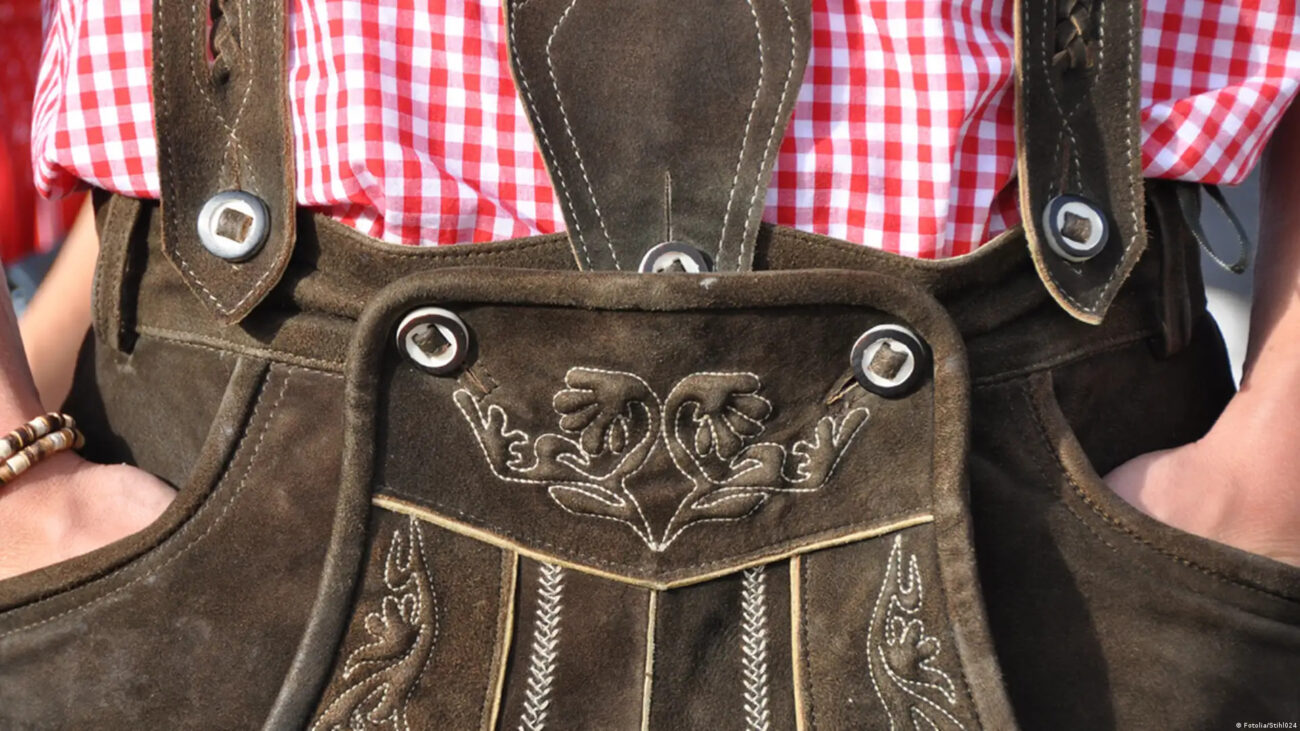
One common misconception about lederhosen pockets is that they were solely designed for decorative purposes rather than functionality. While it is true that the intricate embroidery and ornamentation on some lederhosen pockets serve an aesthetic role, the primary function of these pockets has always been practicality. Traditionally, lederhosen was worn by Alpine herdsmen who needed sturdy garments with ample storage space for various tools and belongings while tending to their livestock in rugged mountain terrains. These pockets were crafted to be deep and secure, providing utility along with visual appeal.
Another myth surrounding lederhosen pockets is that they are purely ornamental and don’t serve any real use in modern times. Contrary to this belief, contemporary adaptations of lederhosen have retained functional pockets that cater to the needs of wearers today. Whether it’s storing a smartphone during a traditional festival or carrying essential items during outdoor activities, the pockets on modern lederhosen continue to offer convenience without compromising style. By adapting to the demands of modern life, these pockets have proven their relevance beyond mere symbolism.
-
Product on sale
 Neuschwanstein Castle LederhosenOriginal price was: $ 299.00.$ 199.00Current price is: $ 199.00.
 -
Product on sale
 Marienplatz LederhosenOriginal price was: $ 299.00.$ 199.00Current price is: $ 199.00.
 -
Product on sale
 Sebastian LederhosenOriginal price was: $ 299.00.$ 199.00Current price is: $ 199.00.
 -
Product on sale
 Max Planck LederhosenOriginal price was: $ 299.00.$ 199.00Current price is: $ 199.00.
 -
Product on sale
 Downey LederhosenOriginal price was: $ 299.00.$ 189.00Current price is: $ 189.00.
 -
Product on sale
 Schiller LederhosenOriginal price was: $ 349.00.$ 199.00Current price is: $ 199.00.
 -
Product on sale
 Hefeweizen LederhosenOriginal price was: $ 399.00.$ 278.00Current price is: $ 278.00.
 -
Product on sale
 Staffelsee Sunset LederhosenOriginal price was: $ 343.00.$ 214.00Current price is: $ 214.00.
 -
Product on sale
 Franconian LederhosenOriginal price was: $ 289.00.$ 199.00Current price is: $ 199.00.
 -
Product on sale
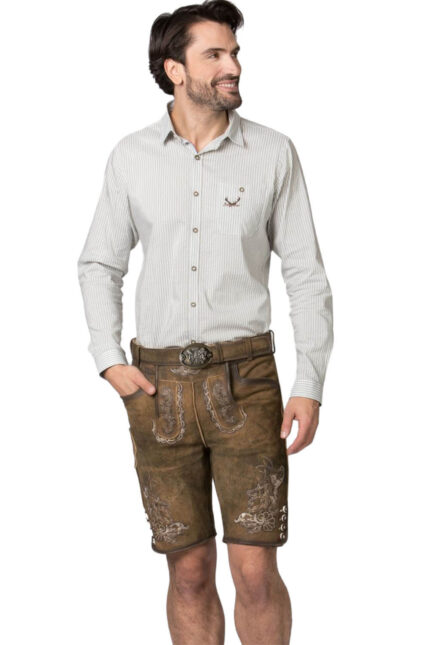 Spessart LederhosenOriginal price was: $ 289.00.$ 199.00Current price is: $ 199.00.
 -
Product on sale
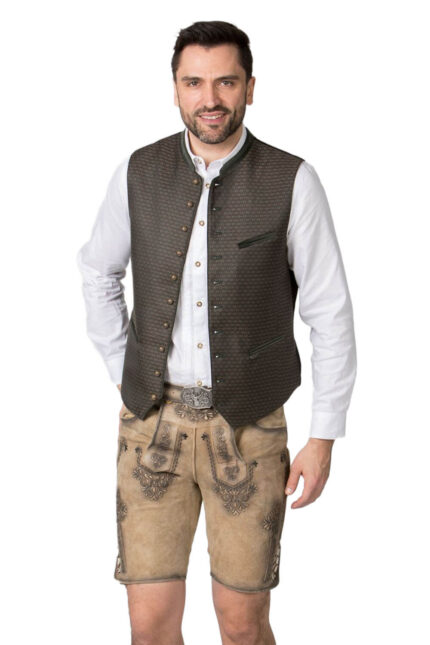 Thüringer Wald LederhosenOriginal price was: $ 267.00.$ 199.00Current price is: $ 199.00.
 -
Product on sale
 Harzgebirge LederhosenOriginal price was: $ 299.00.$ 199.00Current price is: $ 199.00.
 -
Product on sale
 Bayerischer Wald LederhosenOriginal price was: $ 289.00.$ 199.00Current price is: $ 199.00.
 -
Product on sale
 Schwarzwald Forest LederhosenOriginal price was: $ 399.00.$ 234.00Current price is: $ 234.00.
 -
Product on sale
 Bayerische Trachten LederhosenOriginal price was: $ 278.00.$ 199.00Current price is: $ 199.00.
Furthermore, there is a misconception that lederhosen pockets are primarily meant for showcasing wealth or status due to their elaborate designs. While it’s true that intricately embroidered pockets can signify craftsmanship and artistry, the core purpose remains rooted in functionality. The evolution of lederhosen pocket designs over time reflects changes in societal needs and fashion trends rather than simply serving as symbols of affluence. By debunking these myths and highlighting the authentic role of lederhosen pockets, we gain a deeper appreciation for this iconic German garment’s blend of practicality and cultural significance.
The Ongoing Legacy of Lederhosen Pockets
In conclusion, the pockets on lederhosen have proven to be more than just a simple practical feature. They embody a rich historical significance, evolving from functional components to iconic symbols of German culture and heritage. Throughout history, these pockets have served as both utilitarian tools for the wearers’ convenience and as intricate canvases reflecting craftsmanship and tradition.
Beyond their practical use, lederhosen pockets continue to hold a special place in contemporary fashion, bridging the gap between traditions and modern styles. By unraveling the mystery behind what lederhosen pockets are for, we discover not only their functionality but also their enduring legacy as cultural artifacts that connect us to the timeless essence of German heritage. So next time you see someone sporting a pair of lederhosen with those distinctive pockets, remember that they carry with them more than just keys or coins; they carry a piece of history stitched into every seam.
Checkout: What Does Lederhosen Mean in German?


