

Blog
A Deep Dive into Oktoberfest’s History and Present Day


Oktoberfest began in 1810 as a royal wedding celebration in Munich, Bavaria, and has grown into the world’s largest folk festival, drawing roughly 6–7 million visitors every year. This year’s edition is the 191st and runs from Saturday, September 19 to Sunday, October 4, on Munich’s Theresienwiese grounds.
Oktoberfest! The word alone conjures overflowing steins, joyful crowds swaying to oompah music, and the unmistakable aroma of roasted sausage. But behind the party-paradise reputation sits over two centuries of history, tradition, and continuous reinvention. This guide walks through where Oktoberfest came from, how it evolved into today’s festival, and exactly what to expect when the tents open this September.
When Is Oktoberfest This Year? (Fast Facts)
- Dates: Saturday, September 19 – Sunday, October 4
- Edition: The 191st Munich Oktoberfest
- Location: Theresienwiese, Munich, Germany
- Duration: 16 days
- Opening ceremony: Noon on opening Saturday, when Munich’s mayor taps the first keg with the cry “O’zapft is!”
- Expected attendance: 6–7 million visitors
- Typical beer consumption: Around 6–7 million liters of beer served across the festival
Oktoberfest’s calendar isn’t random. Since 1873, the festival has officially opened on the Saturday after September 15 and closed on the first Sunday of October. If that Sunday lands on October 1 or 2, the run is stretched to include October 3 — German Unity Day — so the festival always covers a full 16 to 17 days. This year, the first Sunday in October falls on the 4th, giving the festival its standard 16-day span.
The Royal Roots of Oktoberfest
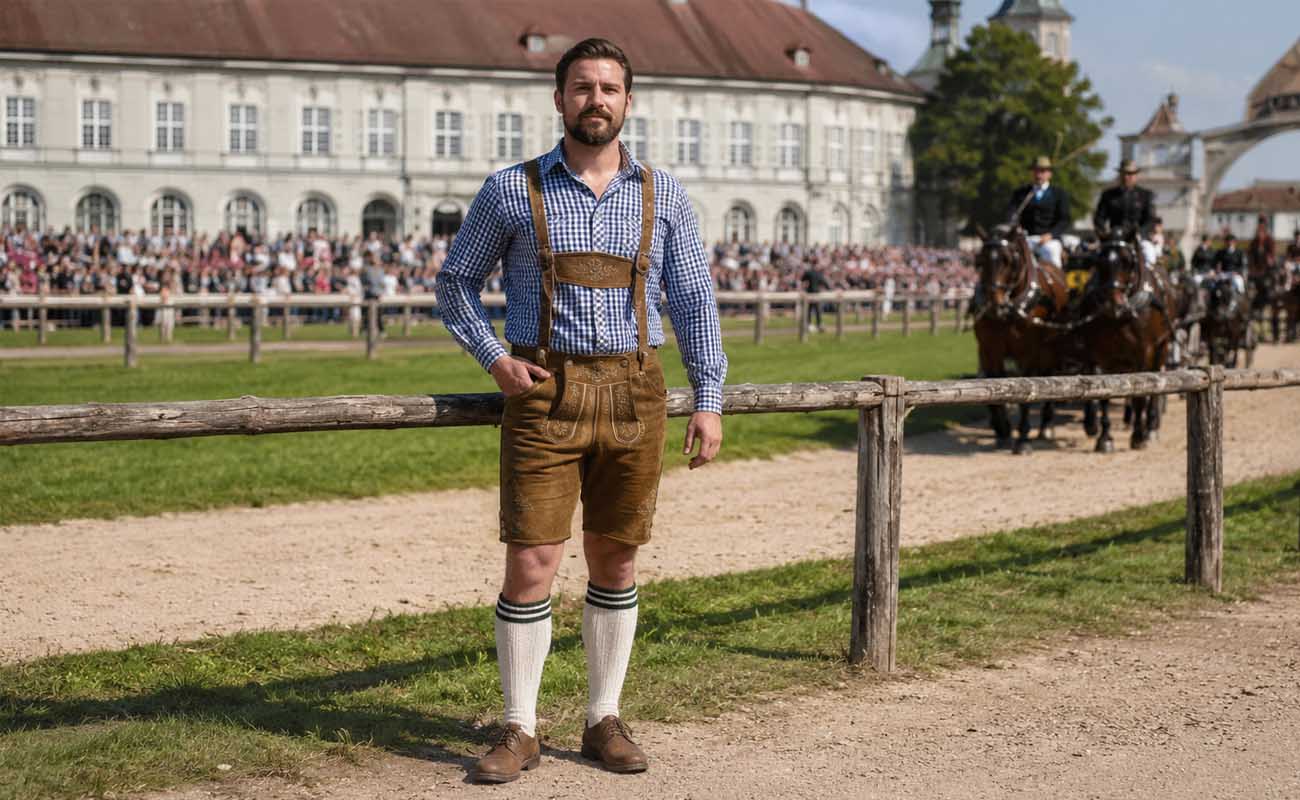
The story starts in 1810, not with a group of beer-loving Bavarians, but with a royal wedding. Crown Prince Ludwig of Bavaria, soon to be King Ludwig I, married Princess Therese of Saxony-Hildburghausen on October 12, 1810. To mark the occasion, the royal couple invited the citizens of Munich to join the festivities on an open field just outside the city gates — a field later named Theresienwiese (“Therese’s Meadow”) in the princess’s honor, and still shortened by locals today to “die Wiesn.”
Horse races, a genuine novelty at the time, were the centerpiece of that first celebration, alongside elaborate parades and a generous flow of food and drink. The event was such a hit that King Ludwig declared it an annual tradition, effectively giving birth to the Oktoberfest millions now travel to experience.
The Early Evolution: From Horse Races to Harvest Fair
Early Oktoberfest looked nothing like today’s beer-tent spectacle. For several decades, horse races remained the main attraction, and agricultural exhibitions celebrating Bavaria’s harvest were a central feature — a nod to the festival’s roots as a regional showcase, not just a party.
By the mid-19th century, the character of the event began to shift:
- Food stalls multiplied, selling sausages, roasted meats, and traditional treats like gingerbread hearts (Lebkuchenherzen)
- Amusement rides appeared, including early swings and carousels, adding a carnival atmosphere
- Beer booths grew alongside the food stands, planting the seed for what would eventually dominate the festival
- Attendance climbed year after year as word of the Munich celebration spread across Bavaria
Beer Halls and the Changing Landscape
The late 19th century marked a turning point. Small beer booths gave way to massive wooden beer halls — the direct ancestors of today’s iconic tents. Each hall was sponsored by a different Munich brewery, sparking friendly competition over the best brews and liveliest atmosphere. These structures could seat thousands, and with them came the oompah bands that still define the sound of Oktoberfest.
This era cemented several of the traditions people now associate with the festival by default: communal long tables, brewery-branded tents, and a serving culture built around volume and celebration rather than quiet drinking.
Cancellations and Enduring Traditions
Despite its popularity, Oktoberfest hasn’t run uninterrupted. It has been cancelled or shortened more than two dozen times across its history, due to:
- Wars, including the Franco-Prussian War and both World Wars
- Disease outbreaks, such as 19th-century cholera epidemics
- The COVID-19 pandemic, which cancelled the festival in 2020 and 2021
Each time, Oktoberfest returned — often bigger and more organized than before. The early 20th century also cemented two defining traditions still followed today:
- The Maß (1892): The one-liter glass beer mug became the official serving standard, guaranteeing a consistent, generous pour across every tent
- “O’zapft is!” (1950): Munich’s mayor began the tradition of tapping the first keg at Schottenhamel tent and declaring the festival open — a ceremony still broadcast live every opening day
Modern Oktoberfest: Tradition Meets Progress
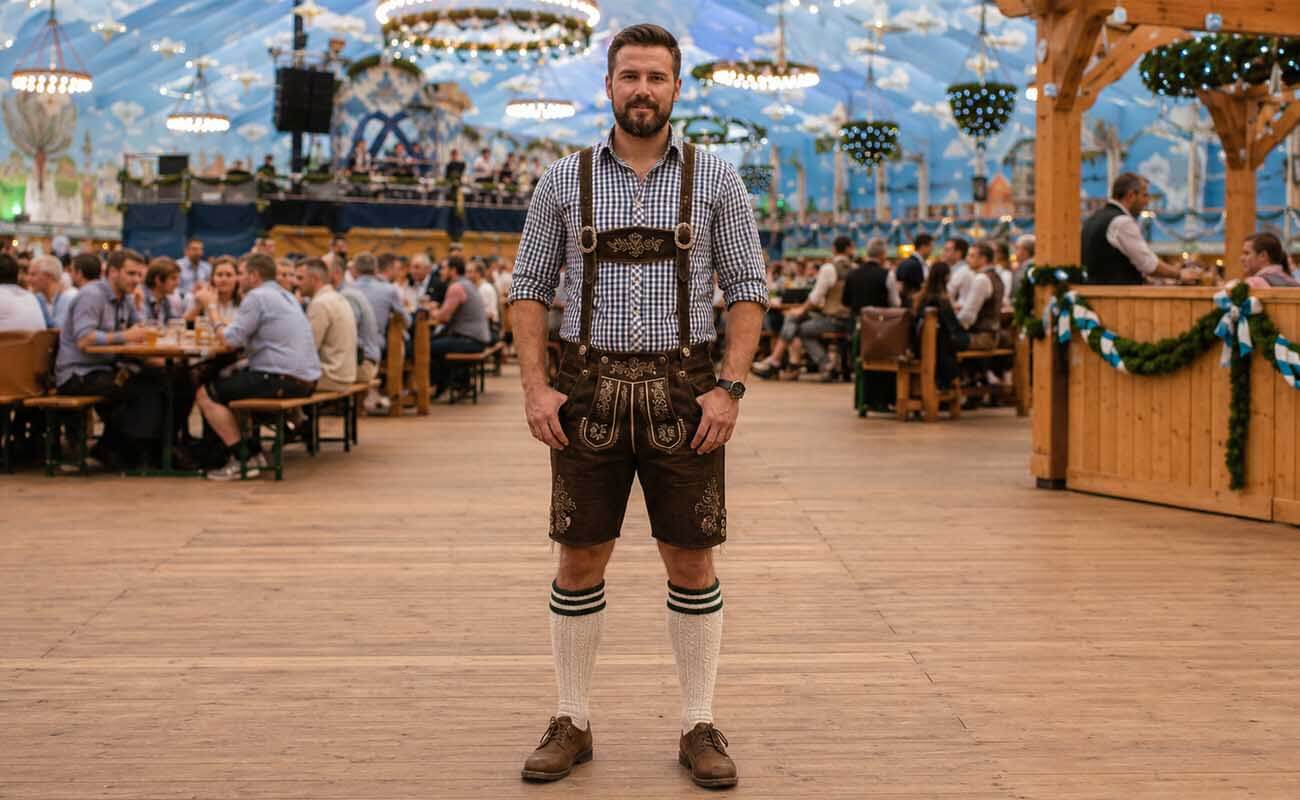
Today’s Oktoberfest balances heritage with contemporary expectations. The beer halls remain the heart of the festival, but the experience around them has modernized considerably.
What’s changed in recent years:
- Sustainability is a growing focus. Several breweries now offer organic beer, tents have improved waste sorting and recycling, and the festival administration publishes environmental guidelines for exhibitors
- The food scene has diversified. Alongside classic sausages, pretzels, and roast chicken (Hendl), vendors now serve vegetarian and vegan Bavarian dishes to accommodate a wider range of visitors
- Digital planning is now standard. Most large tents take reservations online months in advance, and the official Oktoberfest app and website publish live crowd data, tent capacity, and event schedules
- Cashless payment has expanded, with more tents and stalls accepting card and mobile payments alongside traditional cash
Only seven main breweries — Augustiner, Hacker-Pschorr, Löwenbräu, Paulaner, Spaten, and Hofbräu, plus Spaten’s sister brand Franziskaner — are permitted to serve beer at Oktoberfest, and only beer brewed within Munich’s city limits under the Reinheitsgebot (Bavarian purity law) qualifies. This exclusivity is part of what keeps the festival distinctly Munich, even as its global fame has inspired hundreds of “Oktoberfest” events worldwide, from Cincinnati to Blumenau, Brazil.
Understanding the Tents: Big, Small, and Everything Between
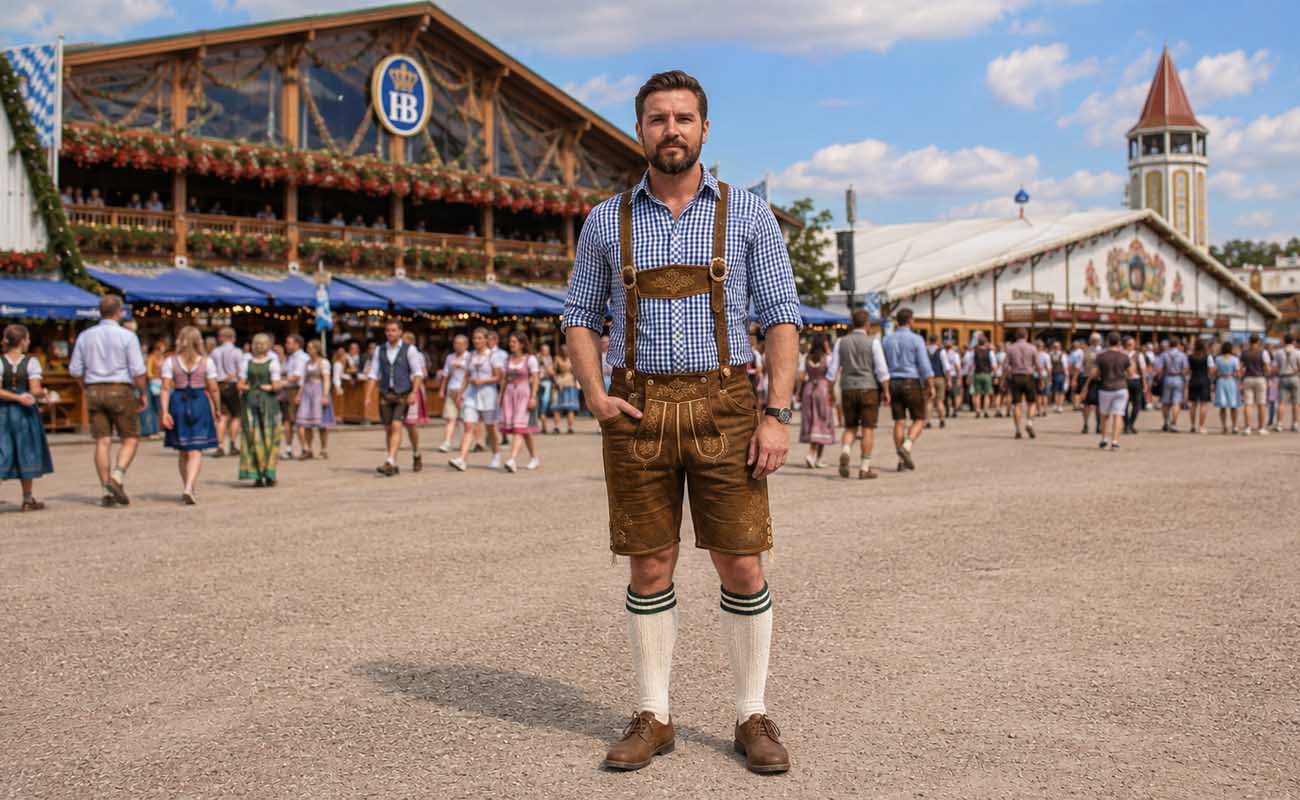
Not all Oktoberfest tents are created equal, and knowing the difference helps you plan a better visit. Broadly, they fall into three categories:
- The large tents hold anywhere from 4,000 to over 10,000 guests and are run by the big Munich breweries — think Hofbräu-Festzelt, Hacker-Festzelt, and Schottenhamel, where the opening ceremony takes place. These are the tents most visitors picture when they think of Oktoberfest: long communal benches, live bands, and an atmosphere that gets louder as the day goes on.
- Mid-sized tents offer a slightly calmer setting while still serving the same official beers, often appealing to families or groups who want less crowding.
- Small tents and beer gardens dot the outer edges of the Theresienwiese, serving specialty foods, wine, or regional dishes alongside beer, and typically don’t require reservations at all.
Each tent has its own personality — some lean toward younger, rowdier crowds, others toward families and older visitors — so it’s worth researching a tent’s reputation before booking a table, especially if you’re travelling with children or want a specific vibe.
The Food of Oktoberfest: Beyond the Pretzel
Beer gets most of the attention, but Oktoberfest’s food culture is just as central to the experience. Bavarian cuisine at the festival tends to be hearty, meant to balance out a liter of beer and hours of standing or dancing on benches.
Staples you’ll find across almost every tent:
- Hendl (roast chicken) — often considered the unofficial signature dish of the festival, served crispy-skinned with a side of potato salad
- Schweinshaxe (pork knuckle) — slow-roasted until the skin crackles, a heavier option favored by many regulars
- Brezn (pretzels) — the giant, salt-crusted pretzels sold throughout the grounds, meant to be torn and shared
- Obatzda — a Bavarian cheese spread made from soft cheese, butter, and paprika, usually served with bread and radishes
- Weisswurst — traditional white sausage, classically eaten before noon with sweet mustard and a pretzel
- Käsespätzle — a Bavarian take on mac and cheese, made with soft egg noodles and melted cheese, increasingly popular with vegetarian visitors
As mentioned earlier, the food scene has broadened considerably in the past decade, with more tents now offering vegetarian, vegan, and gluten-free options alongside the classics — a reflection of how the festival has adapted to a more international, more health-conscious crowd without abandoning its Bavarian core.
Planning Your Oktoberfest Adventure
Thinking about joining the celebration this year? A little preparation goes a long way.
Before you go:
- Book tent reservations early. Seats inside the larger tents get claimed within days of opening; reservations for peak weekends often fill months in advance
- Check the calendar for themed days. Family Day (typically the first Tuesday, with discounted rides and food) and other special event days can shape when you want to visit
- Pack authentic attire. Traditional lederhosen for men and dirndls for women aren’t required, but they’re part of the culture — and most visitors dress the part
- Plan your arrival time. Weekday mornings are far less crowded than weekend afternoons and evenings
- Bring cash as backup. While card payment has grown, some smaller stalls and games still prefer cash
Even without a tent reservation, there’s plenty to enjoy — amusement rides, festival grounds strolling, food stalls, and the outdoor beer gardens attached to most tents are open without a booking. So pack your sense of adventure, grab your friends, and get ready to experience the blend of 200-year-old tradition and modern-day celebration that makes Oktoberfest one of the world’s most iconic festivals.
Oktoberfest by the Numbers
A quick snapshot of the festival’s scale helps put “world’s largest folk festival” into perspective:
| Metric | Figure |
| First held | 1810 |
| Current edition | 191st |
| Current dates | September 19 – October 4 |
| Duration | 16 days |
| Annual visitors | 6–7 million |
| Beer consumed annually | ~6–7 million liters |
| Official breweries permitted | 6 |
| Standard beer serving size | 1 liter (the Maß) |
| Main festival grounds | Theresienwiese, Munich |
These numbers shift slightly year to year depending on weather and the calendar, but they’ve stayed remarkably consistent over the past two decades, underlining just how established Oktoberfest has become as a fixture of the global festival calendar.
Oktoberfest Around the World
Munich’s festival is the original, but its influence stretches far beyond Bavaria. Over the past century, cities around the world have launched their own Oktoberfest-style celebrations, borrowing the beer tents, the music, and the traditional dress while adapting the format to local tastes:
- Cincinnati, USA — Oktoberfest Zinzinnati is one of the largest Oktoberfest celebrations in North America, drawing hundreds of thousands over a single weekend
- Blumenau, Brazil — Home to the largest Oktoberfest outside Germany, reflecting the region’s strong German immigrant heritage
- Kitchener-Waterloo, Canada — Canada’s largest Bavarian-style festival, running for over a week each October
- Qingdao, China — An Oktoberfest tied to the city’s own brewing history, dating back to German colonial influence in the early 1900s
None of these events can legally call themselves “Oktoberfest Munich,” and none serve beer from the six official Munich breweries, but they’ve helped turn Oktoberfest from a Bavarian tradition into a genuinely global celebration of beer culture, community, and Bavarian-inspired style.
Oktoberfest Attire: Why Lederhosen and Dirndls Still Matter
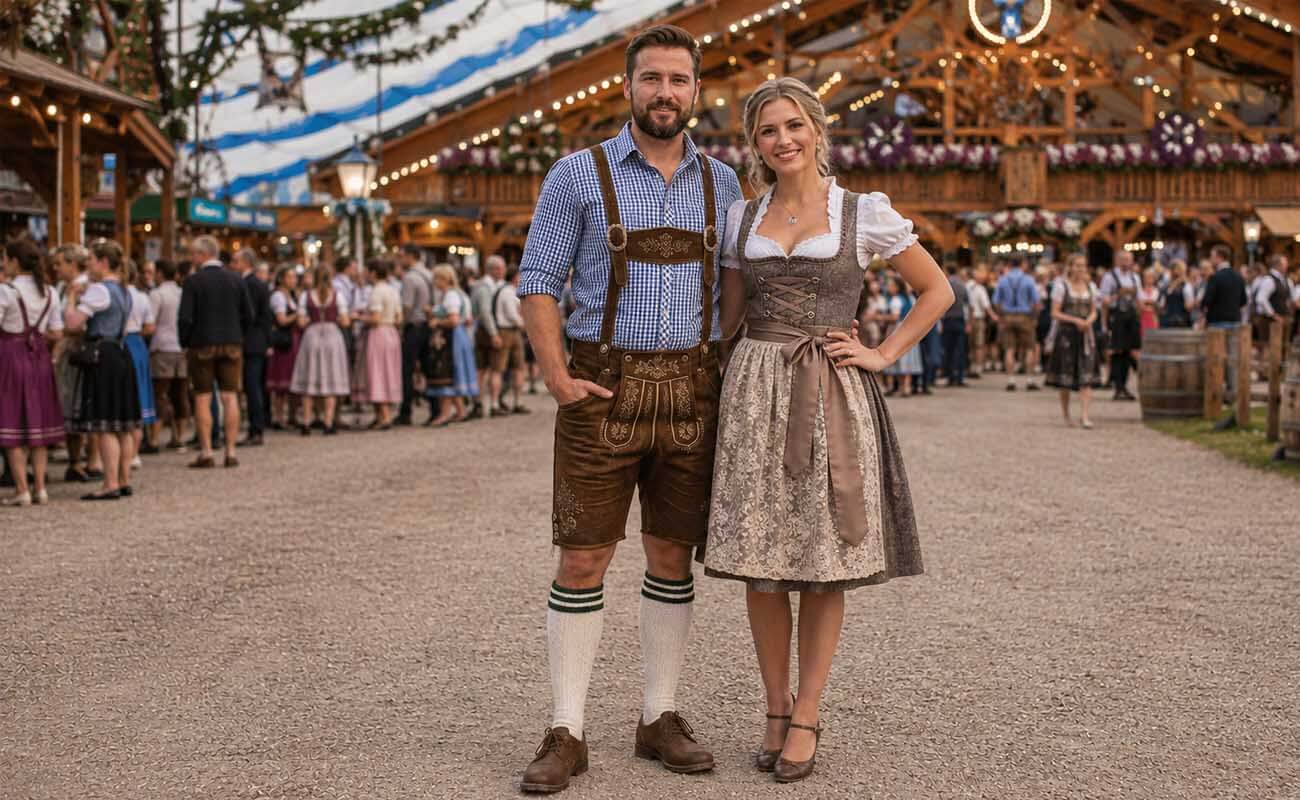
Traditional clothing isn’t a costume gimmick — it’s part of what keeps Oktoberfest culturally distinct from a generic beer festival. Bavarian trachten (traditional folk dress) has its own etiquette that’s worth understanding before you go:
- Lederhosen are typically made from cowhide, deerskin, or goatskin, and come in short, knee-length, or full-length cuts, usually worn with suspenders and a checked or plain trachten shirt
- Dirndl dresses consist of a bodice, blouse, and skirt, and traditionally the position of the apron bow signals relationship status (left side means single, right side means taken — though this is followed loosely today)
- Quality varies widely. Festival-grade lederhosen are built to handle a full 16 days of wear, sitting, and dancing on beer tables, which is very different from costume-store versions meant for a single evening
- Accessories complete the look. Trachten shoes, trachten socks, and a felt hat are common finishing touches for both traditional and modern outfits
Whether visitors choose an authentic leather set or a lighter festival-friendly version, dressing in trachten remains one of the most visible ways guests participate in Oktoberfest’s living tradition rather than just observing it.
Choosing the Right Lederhosen Style
Not every pair of lederhosen suits every visitor or every tent. A few things worth considering before buying or renting:
- Length matters for comfort. Short lederhosen suit warmer weather and a livelier, more casual tent atmosphere, while knee-length or full-length styles offer more coverage for cooler September evenings
- Leather type affects both look and price. Cowhide is durable and budget-friendly, deerskin is softer and lighter, and goatskin sits between the two in both feel and cost — worth weighing against how many years you plan to wear the outfit
- Fit should allow movement. Since much of Oktoberfest involves standing on benches, dancing, and squeezing along crowded tables, a snug-but-flexible fit beats anything overly tight
- A complete lederhosen set — shorts, shirt, and suspenders bundled together — is often the simplest way to get a coordinated, festival-ready look without piecing together separate items
For women, the calculus is similar: a well-fitted dirndl blouse and dress in breathable fabric will hold up far better across a long day of tent-hopping than a costume-shop version designed for a single Halloween-style outing.
More Oktoberfest Guides on Our Blog
This article covers Oktoberfest’s history and the big picture, but a few companion guides on the Alpen Lederhosen blog go deeper into specific parts of the experience:
- Your Guide to Conquering Oktoberfest — practical, tent-by-tent advice for making the most of your visit
- 8 Creative Ways to Decorate for Oktoberfest — ideas for bringing the festival spirit home if you’re hosting your own celebration
- The Ultimate Guide to Lederhosen Suspenders — rules, fit, and common styling mistakes to avoid
- How to Clean Your Lederhosen — care instructions to keep leather looking sharp after 16 days of festival wear
- What is the National Costume of Bavaria Ladies? — a closer look at the dirndl’s regional history and variations
- How Much Should You Spend on Lederhosen? — a budgeting guide across leather types and quality tiers
Together, these guides round out everything covered here — from the festival’s 1810 origins to the practical details of dressing for and navigating Oktoberfest today.
Frequently Asked Questions About Oktoberfest
Oktoberfest runs from Saturday, September 19 through Sunday, October 4 this year — a 16-day festival on Munich’s Theresienwiese.
The festival shifted earlier in the 19th century to take advantage of warmer, drier weather. Since 1873, it has opened in mid-to-late September and closed on the first Sunday of October, so most of “Oktoberfest” now actually happens in September.
Oktoberfest began on October 12, 1810, as a public celebration of the royal wedding between Crown Prince Ludwig of Bavaria and Princess Therese of Saxony-Hildburghausen. Its popularity led King Ludwig I to make it an annual event.
Oktoberfest typically draws between 6 and 7 million visitors annually, making it the largest folk festival (Volksfest) in the world.
Traditional Bavarian clothing is the norm: lederhosen (leather shorts or trousers) for men, paired with suspenders and a checked shirt, and a dirndl dress for women. While not mandatory, wearing traditional attire is part of the festival experience and widely embraced by both locals and visitors.
It’s not strictly required, but strongly recommended for weekends and evenings, especially in the larger tents. Reservations can be made through the official Oktoberfest website or directly with individual tents, and popular slots fill up quickly.
Only six official Munich breweries are permitted: Augustiner, Hacker-Pschorr, Löwenbräu, Paulaner, Spaten (with Franziskaner), and Hofbräu. The beer must be brewed within Munich city limits and comply with the Reinheitsgebot purity law.
Yes. Oktoberfest has been cancelled more than 20 times throughout its history due to wars, cholera outbreaks, and most recently the COVID-19 pandemic in 2020 and 2021. It has resumed each time, continuing an almost unbroken 200-plus-year tradition.
The Bottom Line
From a royal wedding on a Munich meadow in 1810 to a 16-day global celebration drawing millions each year, Oktoberfest has continually reinvented itself while holding on to what makes it unmistakably Bavarian: the Maß, the oompah bands, the communal long tables, and the tradition of dressing the part in lederhosen and dirndls. Whatever draws you to the Theresienwiese this year — the history, the beer, the culture, or simply the atmosphere — Oktoberfest remains one of the few festivals where two centuries of tradition and a distinctly modern celebration meet in the same tent.


One thought on “A Deep Dive into Oktoberfest’s History and Present Day”